Activist Wangchuk's Health Deteriorates on Day 7 of Hunger Strike
Climate activist Sonam Wangchuk has lost over 5 kilograms and reported dangerously low blood pressure and sugar levels on the seventh day of his hunger strike demanding the education minister's resignation over NEET exam irregularities.

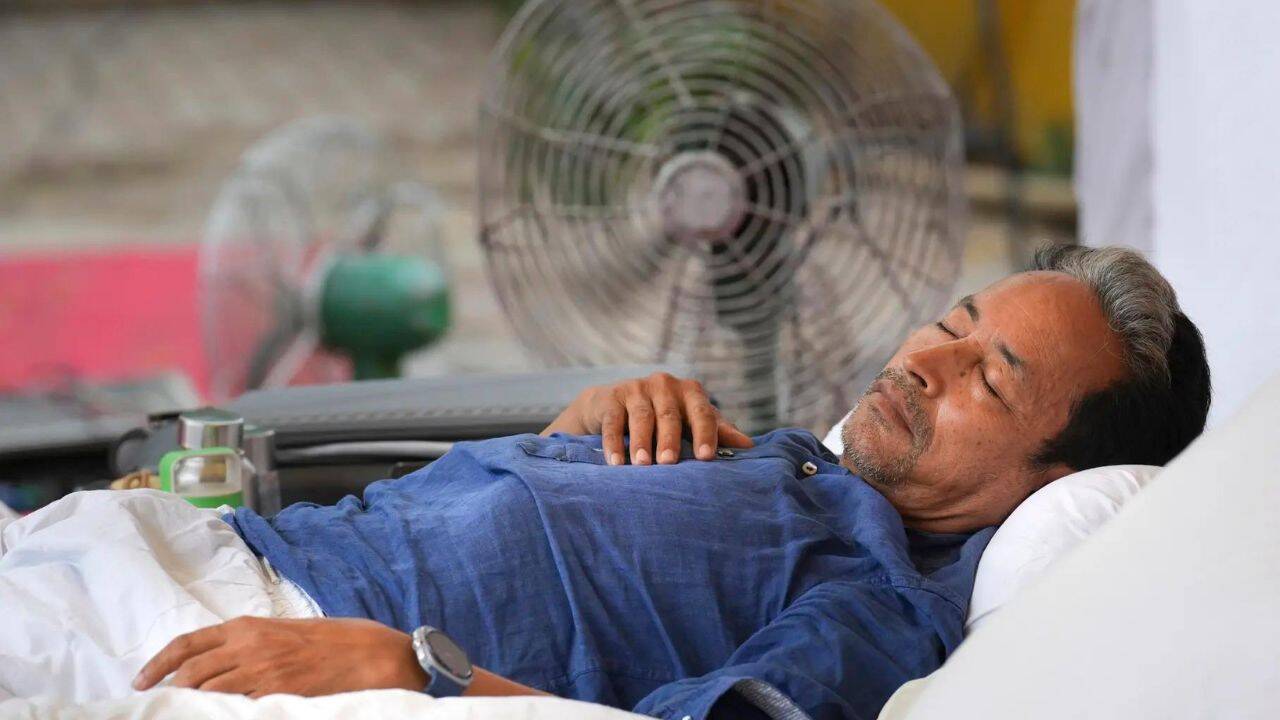
Climate activist and innovator Sonam Wangchuk's health has significantly deteriorated as he entered the seventh day of his hunger strike at Jantar Mantar in New Delhi, demanding the resignation of Union Education Minister Dharmendra Pradhan over alleged NEET examination irregularities.
Wangchuk, who initiated the protest to highlight concerns about the National Eligibility cum Entrance Test (NEET) system, has lost more than 5 kilograms since beginning his fast. In a health update shared on Wednesday, he disclosed that his blood pressure has fallen considerably and his blood sugar levels have dropped to dangerous lows. Despite the physical toll on his body, the activist has remained resolute in his demands, refusing to break his fast until the government addresses his concerns.
The protest has expanded beyond Wangchuk's individual effort, with support pouring in from political leaders and civil society activists. Abhijeet Dipke, a prominent figure with the Cockroach Janata Party, visited Jantar Mantar to express solidarity with the hunger striker. Dipke publicly urged the government to respond urgently to Wangchuk's demands and called on the public to support the movement. The message from Dipke underscored growing pressure on the administration to take the protest seriously and engage with the core issues surrounding NEET irregularities that have raised questions about the examination's credibility and fairness.
Wangchuk's strike is rooted in serious concerns about NEET, a competitive entrance examination for medical college admissions in India. Allegations of question paper leaks, unusual answer patterns, and administrative lapses have triggered widespread debate about the examination's integrity. The activist believes that these issues pose a threat to India's educational standards and fair opportunity for aspiring medical professionals.
The hunger strike represents an escalation in Wangchuk's advocacy efforts on education reform. His health deterioration raises immediate concerns about his safety, placing the government in a position where inaction could face public backlash. Medical professionals have warned that prolonged fasting at this rate poses serious health risks, including malnutrition, organ stress, and electrolyte imbalance.
As the protest continues, all eyes are on whether the government will open dialogue with Wangchuk or allow the situation to further deteriorate. Civil society groups and opposition parties are monitoring developments closely, with some indicating they may intensify their own demands for accountability in the education sector.