Global heatwaves and droughts threaten India's monsoon season, crop output
The World Meteorological Organisation warns El Niño is developing rapidly, intensifying extreme weather worldwide. India's agriculture faces mounting pressure as June rainfall fell 40% short, reducing kharif sowing by nearly a quarter.

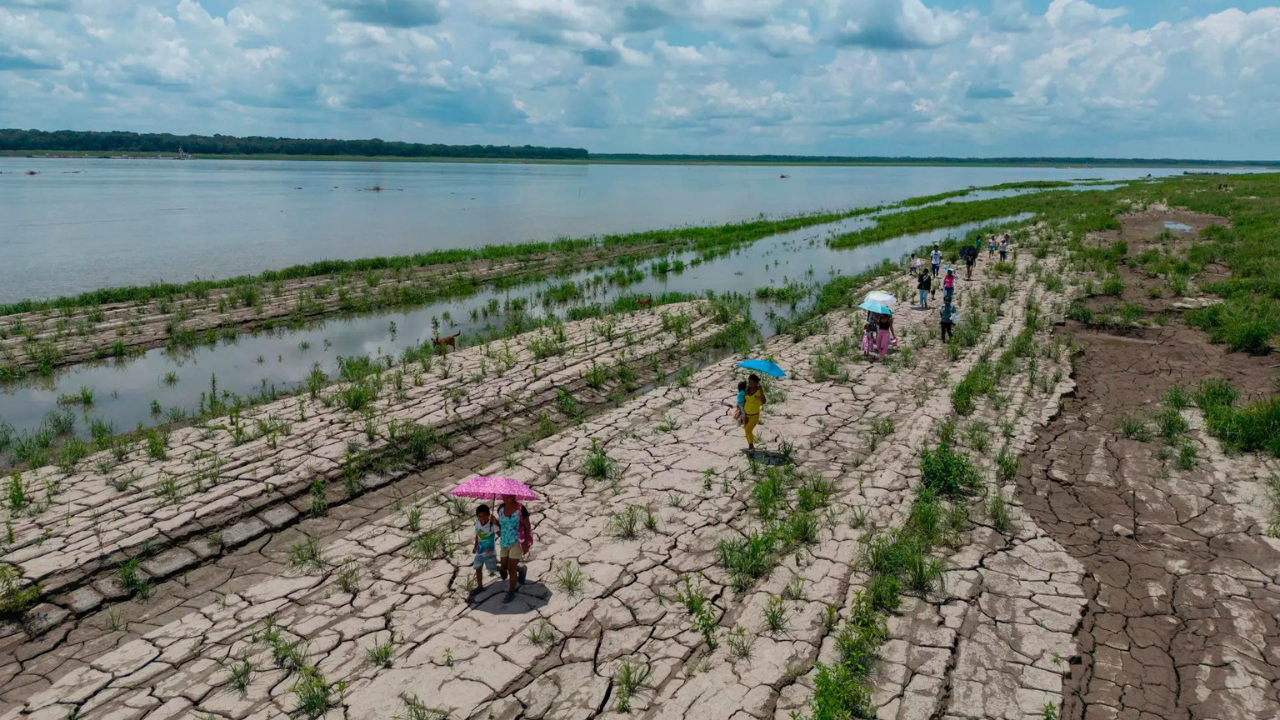
The World Meteorological Organisation has issued a stark warning about the rapid development of El Niño conditions expected between July and September, a phenomenon that threatens to amplify extreme weather patterns across the globe, with India emerging as a particularly vulnerable region.
The international climate monitoring body projects that accelerating El Niño activity will trigger widespread heatwaves and prolonged droughts in multiple parts of the world. For India's agricultural sector, these warnings arrive at a critical juncture, as the country is already grappling with a severe monsoon deficit that has created immediate challenges for summer crop cultivation.
India experienced a significant rainfall shortfall during June, recording precipitation levels 40 percent below the long-term average. This deficit has created a cascading impact on agricultural operations across the nation. Farmers sowing kharif crops—the primary monsoon-dependent harvest season—have been forced to reduce their planted acreage by approximately 23 percent compared to normal levels. Rain-fed agricultural regions, which depend entirely on natural precipitation rather than irrigation systems, face particularly acute pressure. These areas lack the infrastructure to compensate for natural rainfall deficits, making them vulnerable to production losses and farmer distress.
Kharif crop sowing forms the backbone of India's agricultural output during the monsoon season, typically running from June through October. Crops including rice, maize, cotton, and pulses are sown during this period and depend heavily on adequate moisture. The combination of below-normal June rainfall and forecasted El Niño intensification raises serious concerns about maintaining sufficient moisture levels throughout the growing season.
The anticipated El Niño development poses a dual challenge for Indian agriculture. Beyond immediate rainfall deficits, rising temperatures associated with El Niño typically reduce soil moisture retention and accelerate evapotranspiration—the process by which water evaporates from soil and plants. This compounds the impact of already-reduced rainfall on crop survival and yields.
Agricultural economists and weather experts are closely monitoring monsoon forecasts for the remainder of the season. The impact extends beyond farms, potentially affecting food prices for urban consumers and the income security of rural communities dependent on agricultural output. State and central government agencies are expected to assess crop insurance provisions and drought-relief measures in the coming weeks as the monsoon season progresses.
Source: TOI India