Israel Denies Report of Plot to Assassinate Iranian Negotiators
Israel has rejected allegations it planned to target senior Iranian diplomats during peace talks, dismissing the claims as false. The denial comes amid reported US warnings to Iran about potential Israeli threats to negotiators.

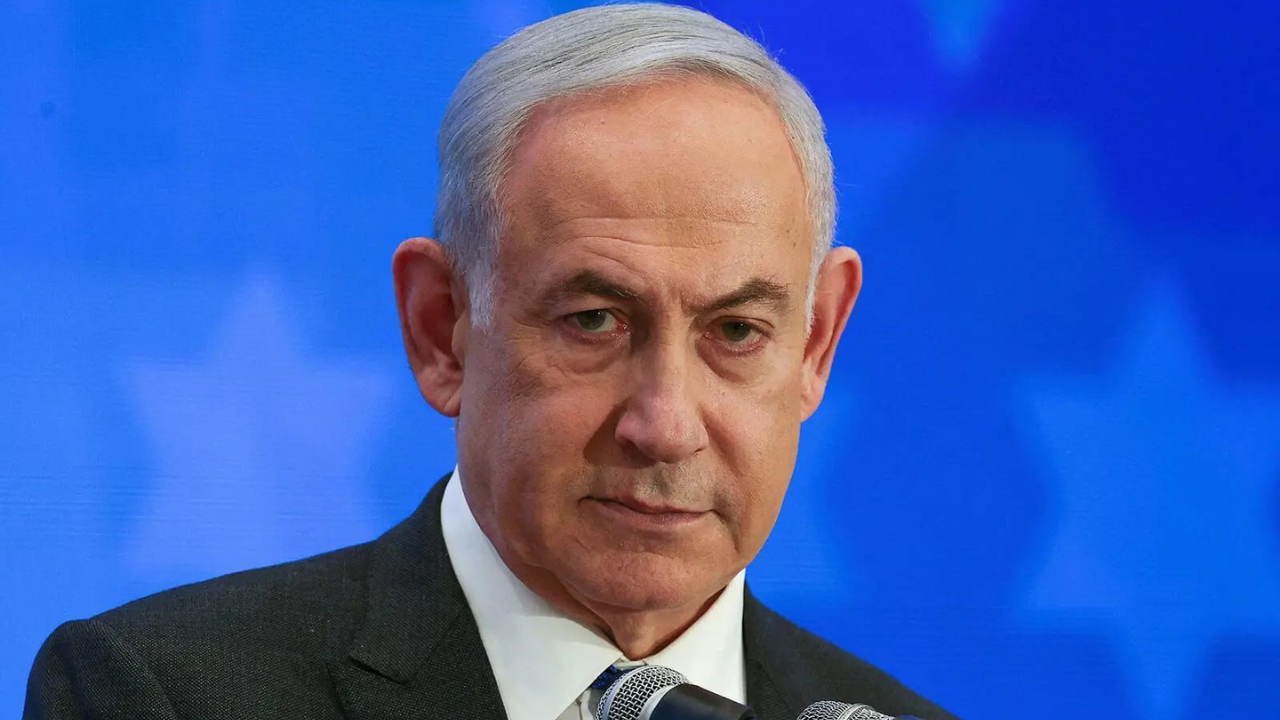
Israel has firmly rejected allegations that it plotted to assassinate high-ranking Iranian negotiators engaged in diplomatic discussions, characterizing the claims as misinformation. The dismissal follows a New York Times report that suggested Israeli officials may have targeted key Iranian figures during sensitive peace negotiations.
According to the report, American officials had alerted Iranian leadership about the potential threat, naming Abbas Araghchi and Mohammad Bagher Ghalibaf as individuals of concern. The alleged plan, if true, could have severely undermined ongoing diplomatic efforts between the two countries. Israeli authorities have categorically denied these allegations, insisting that no such operation was planned or considered.
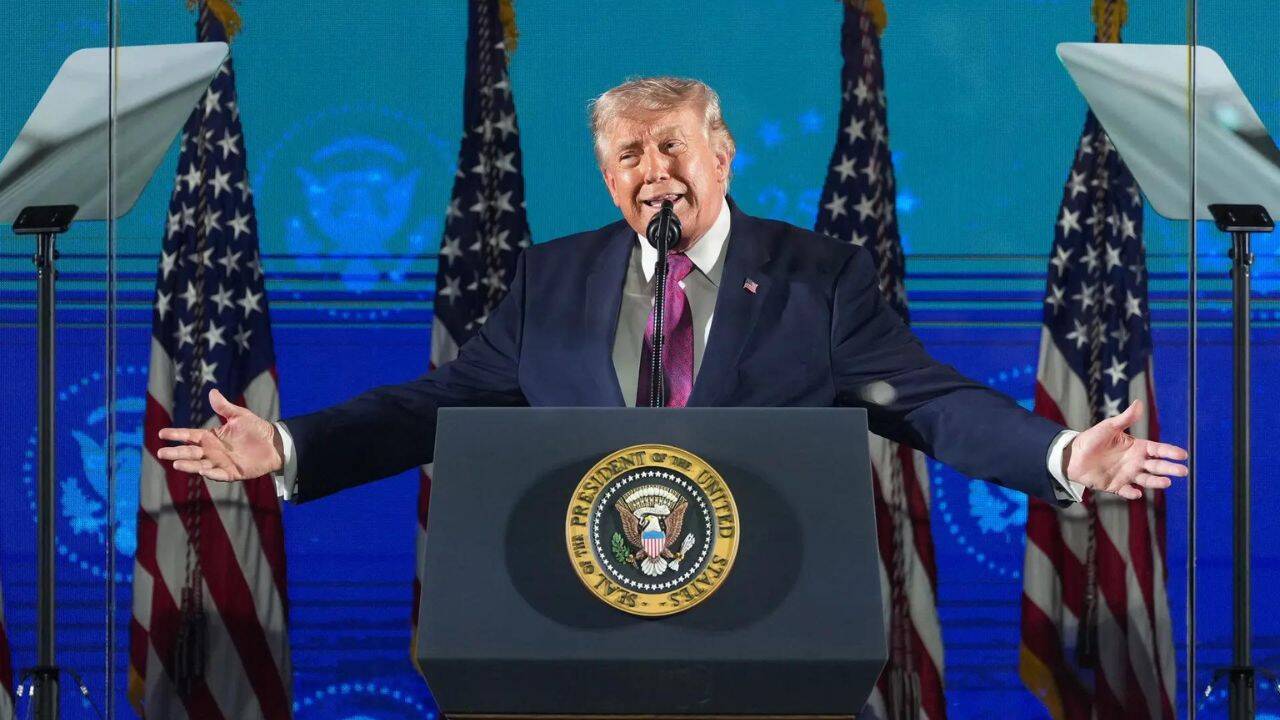
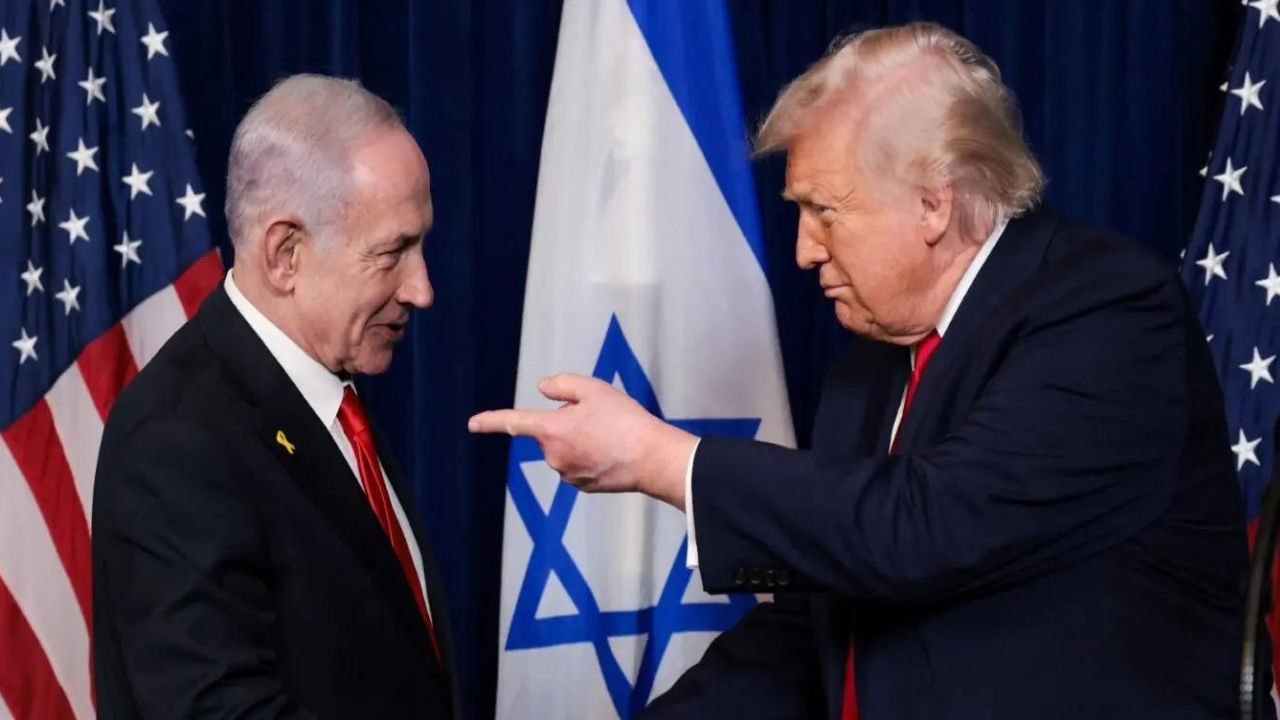
The timing of these denials coincides with diplomatic developments on another front. Israeli Prime Minister Benjamin Netanyahu and United States President Donald Trump have agreed to schedule a future meeting to discuss bilateral relations and regional security matters. The announcement suggests continued coordination between the two allies on Middle Eastern affairs, though the specific agenda and date of their meeting have not been disclosed.
The incident highlights the fragile nature of diplomatic negotiations in the Middle East, where security concerns frequently intersect with peace-building efforts. Such allegations, whether substantiated or not, can complicate trust-building between nations attempting to resolve longstanding conflicts. The involvement of the United States as a mediator underscores the complex geopolitical dynamics at play in the region.
The controversy underscores persistent tensions between Israel and Iran, which have remained adversaries for decades. Both nations have repeatedly engaged in tit-for-tat military posturing and proxy conflicts, making diplomatic breakthroughs exceptionally challenging. International observers will be watching closely to determine whether these fresh allegations will impact ongoing negotiations or future diplomatic engagements between the parties involved.