Historic English River Restored to Natural Path After Century of Straightening
England's River Kemp returns to its original winding route after 18 months of restoration work.

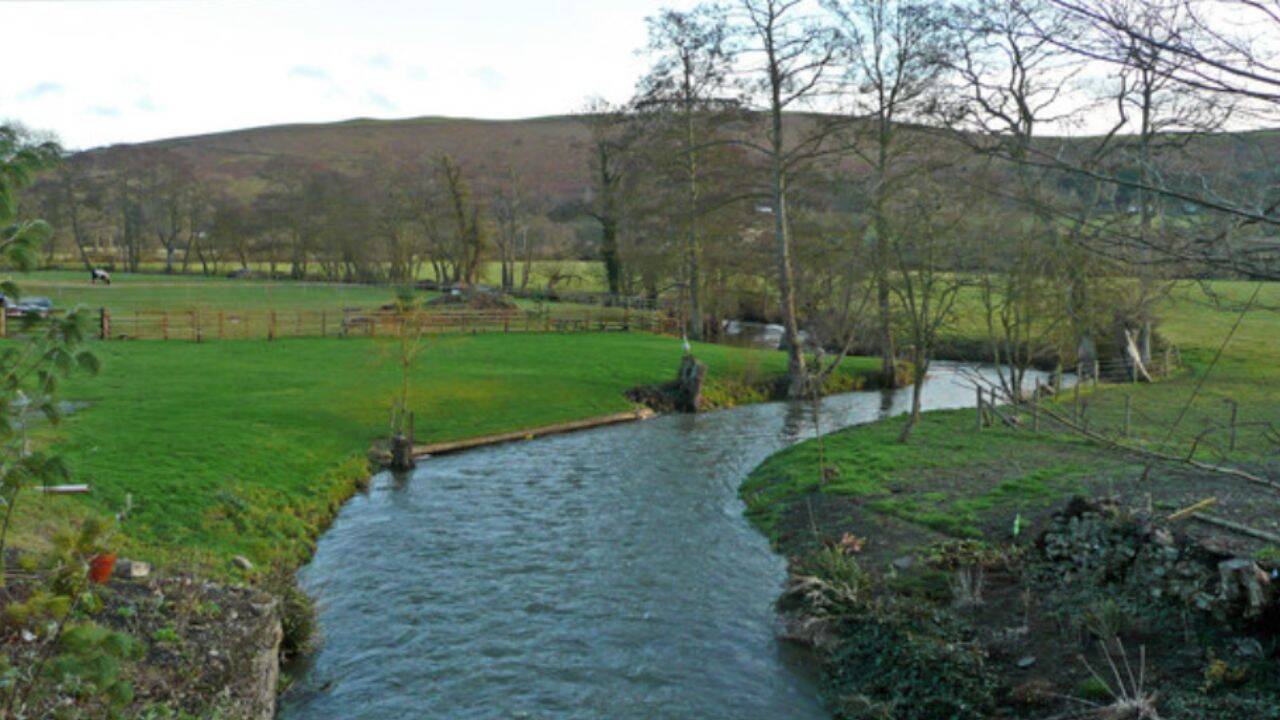
England's River Kemp has completed a remarkable transformation, flowing through its naturally winding course for the first time in over a century. The 18-month restoration project successfully reconnected the waterway to its original meandering path, undoing damage caused by engineering work conducted in the 1800s when the river was artificially straightened.
The ambitious initiative brought together engineers, environmental conservationists, and local farmers in a collaborative effort to reshape the landscape. The project specifically restored what has become known as the "Walcot Wiggle," the river's historic sinuous route through the countryside. This partnership approach ensured that restoration balanced ecological needs with agricultural interests in the region.
Wetland ecosystems have been revived along the newly restored sections, creating diverse habitats that were previously unavailable. The recovered wetlands now serve a dual purpose—they naturally absorb and manage excess floodwaters, reducing downstream flooding risks. This natural flood management approach represents a shift away from purely engineered solutions toward working with nature's own mechanisms.
The ecological benefits extend far beyond flood management. The restored river habitat now supports endangered freshwater pearl mussels and numerous other species that depend on healthy waterway ecosystems. By reestablishing natural flow patterns and wetland conditions, the project has created opportunities for wildlife populations to recover and flourish once again.
This restoration stands as a significant example of river rehabilitation efforts across Europe, demonstrating that decades of environmental damage can be reversed through dedicated conservation work. The Kemp's recovery offers valuable lessons for managing similar modified waterways globally.
Source: Times of India