Africa's Massive Tree-Planting Initiative Spans 8,000 km to Combat Climate Crisis
Continental effort to plant billions of trees across Sahel region addresses environmental degradation and climate impacts.

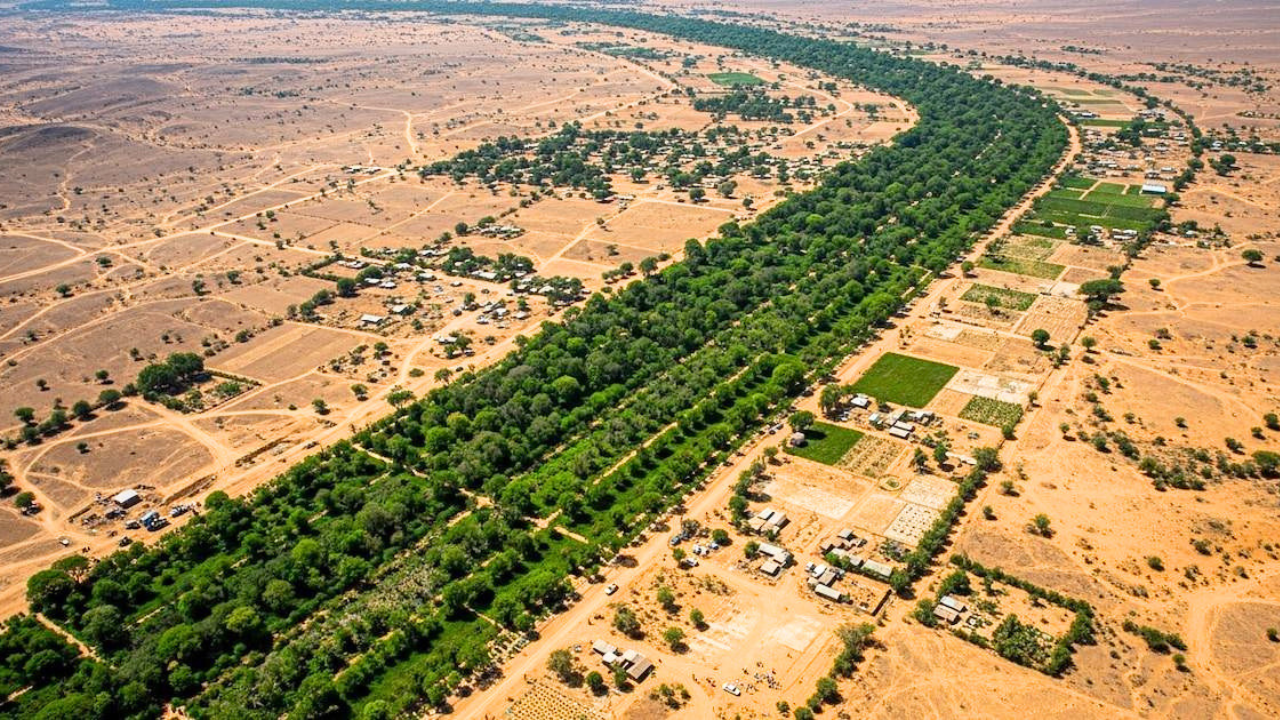
Africa is undertaking one of the world's most ambitious environmental projects—constructing a vast green barrier spanning 8,000 kilometres across the continent to combat desertification and climate change. The initiative, often referred to as the 'Great Green Wall,' involves planting millions of trees across the Sahel region, a semi-arid belt stretching from Senegal in the west to Djibouti in the east.
This massive reforestation effort brings together multiple African nations in a coordinated battle against expanding deserts and environmental degradation. The project aims to restore degraded lands while simultaneously addressing the severe impacts of climate change that threaten food security, water availability, and livelihoods across the region. Participating countries have mobilized resources and international support to achieve this monumental goal.
The Sahel region has faced decades of desertification, with expanding sandy areas consuming fertile land and displacing communities. Climate change has intensified these challenges, creating unpredictable weather patterns and prolonged droughts. By establishing a continuous belt of vegetation, African nations hope to reverse environmental damage and build resilience against future climate shocks.
The project carries significant implications beyond Africa's borders, as it demonstrates a proactive approach to climate mitigation. Trees act as natural carbon sinks, absorbing greenhouse gases while stabilizing soil and improving water retention. The initiative is expected to create millions of jobs in tree planting, maintenance, and related agricultural activities across participating nations.
International organizations and developed nations have pledged support for this transformative initiative, recognizing its potential to address both environmental and socioeconomic challenges. Success of this project could serve as a model for climate action in other vulnerable regions worldwide, proving that large-scale nature-based solutions remain viable in combating global warming.