India Opens New Rajasthan Refinery To Reduce Oil Import Dependence
PM Modi inaugurates HPCL facility aimed at boosting energy security and self-reliance.

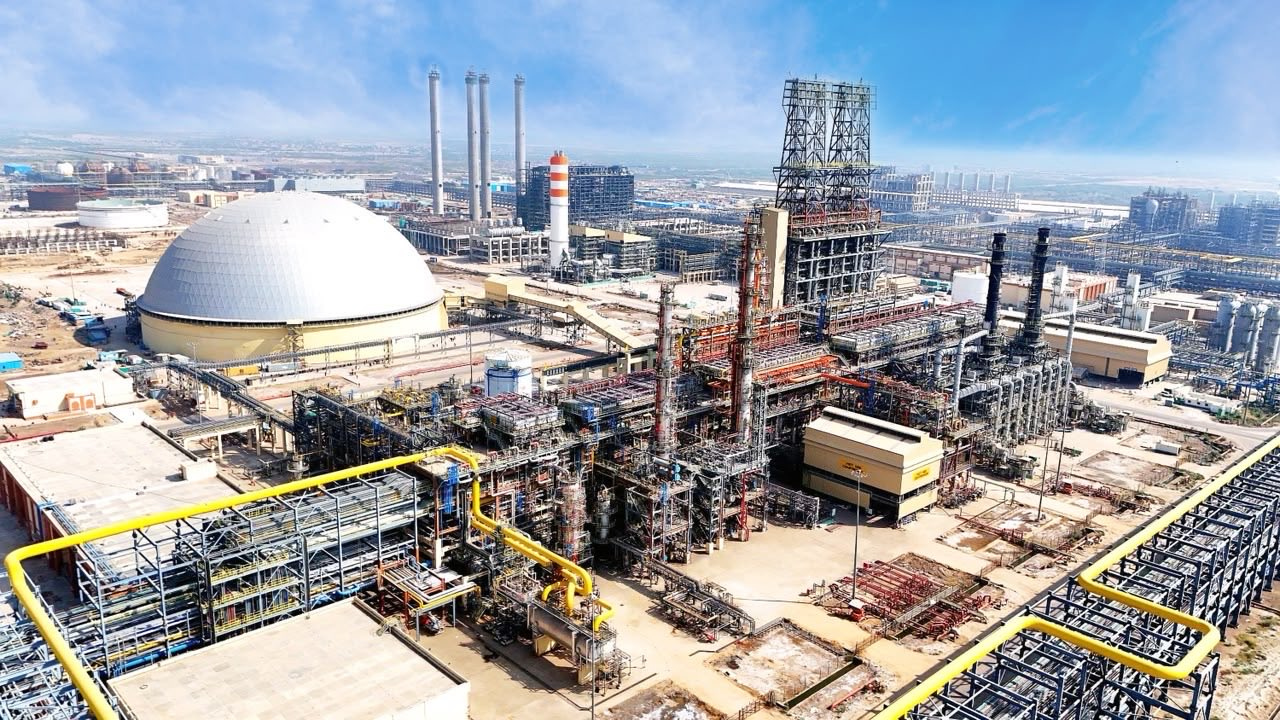
Prime Minister Narendra Modi has inaugurated the HPCL Rajasthan Refinery, marking a significant milestone in India's push toward greater energy independence. The new facility represents a strategic response to vulnerabilities exposed by supply chain disruptions in critical global shipping corridors like the Strait of Hormuz, which handles a substantial portion of world oil trade.
The refinery project reflects India's broader strategy to reduce its heavy reliance on imported crude oil. With a growing economy and rising energy demands, the nation has long sought to enhance domestic production capacity and processing infrastructure. This facility is expected to add substantial refining capacity to India's existing operations, enabling better management of national petroleum requirements while creating employment opportunities in Rajasthan.
Expert analysts view this development as essential for India's energy security framework. By diversifying refining assets across different regions, India can mitigate risks associated with maritime disruptions and geopolitical tensions affecting major oil-producing regions. The facility also supports the government's manufacturing-focused initiatives and export competitiveness.
The operational impact extends beyond energy sector dynamics. Increased domestic refining capacity translates to reduced import bills, improved foreign exchange reserves, and greater price stability in domestic fuel markets. This, in turn, benefits consumers and businesses across India, from transportation sectors to petrochemical industries.
The project aligns with India's broader vision of self-reliant growth, leveraging technology and infrastructure investment to address long-standing energy challenges. As global energy markets remain volatile, such strategic facilities strengthen the nation's resilience against future supply shocks and economic pressures.
Source: Times of India