European Homes Built for Cold Now Struggle Against Rising Heat
Traditional European architecture designed to trap warmth faces severe challenges as heatwaves intensify across the continent.

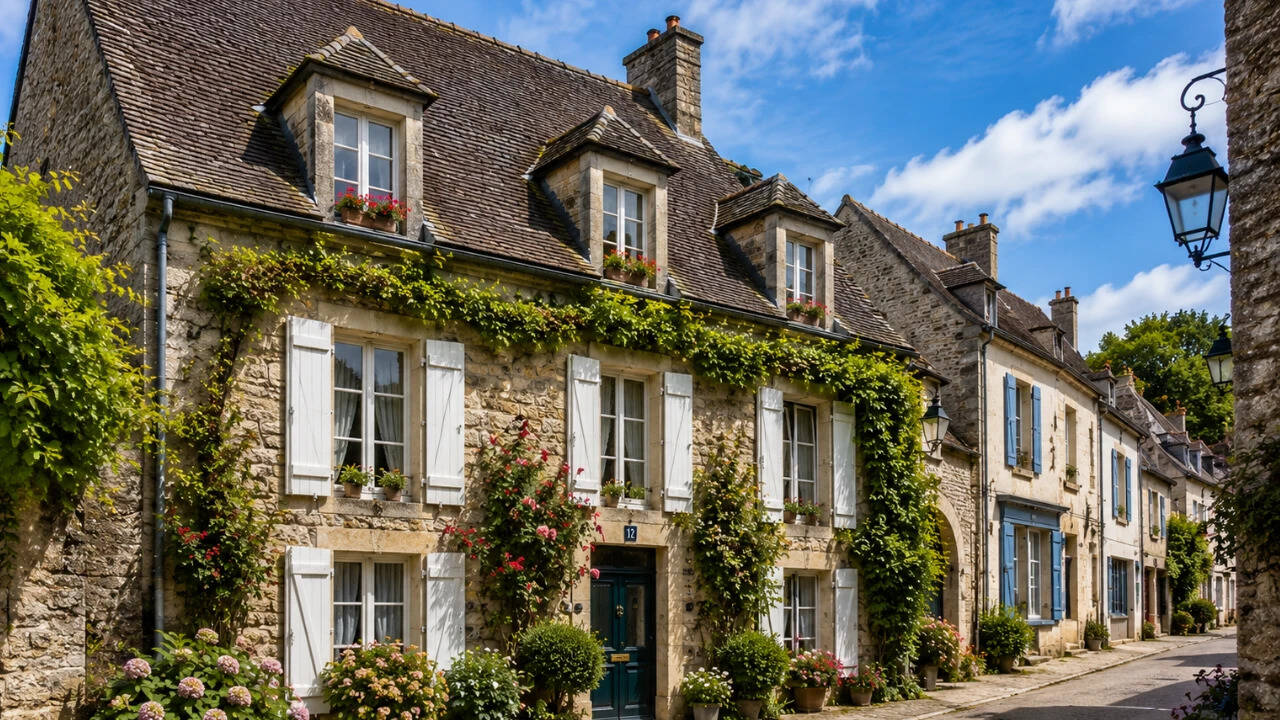
Europe's architectural heritage is becoming a liability as record-breaking heatwaves sweep across the continent, exposing critical vulnerabilities in traditional home construction methods. Homes built with cold climates in mind are now turning into unbearable spaces during periods of intense heat, leaving residents struggling to maintain comfortable living conditions.
The challenge stems from housing designs prevalent across northern and central Europe that prioritize heat retention. These dwellings feature stone and brick construction paired with heavy insulation and multiple-pane windows—features that were engineered to keep warmth inside during brutal winters. However, this same design philosophy traps heat indoors when external temperatures spike, creating sweltering living environments without adequate cooling mechanisms.
This architectural mismatch highlights a broader European challenge: homes designed for one extreme climate condition are proving inadequate for shifting weather patterns. As climate change accelerates, traditional building practices that served previous generations now require reconsideration and modernization to address contemporary realities.
The housing crisis extends beyond simple discomfort. Rising heat poses serious health risks, particularly for elderly residents and vulnerable populations who cannot afford modern cooling systems. Additionally, increased reliance on air conditioning strains energy grids and contradicts Europe's sustainability goals, creating a complex policy dilemma for city planners and policymakers.
Experts suggest that retrofitting existing homes with heat-reflecting materials, improved ventilation systems, and advanced cooling solutions could mitigate the problem. However, the scale of renovation required across millions of European homes presents significant economic and logistical challenges for nations already facing energy crises and infrastructure constraints.
Source: Times of India