Bengaluru daycare abuse case exposes India's weak childcare safeguards
Disturbing videos from a Bengaluru daycare have triggered nationwide concern over India's inadequate protections for young children. Experts warn that rapid growth in workplace childcare facilities has outpaced regulatory oversight and caregiver accountability standards.

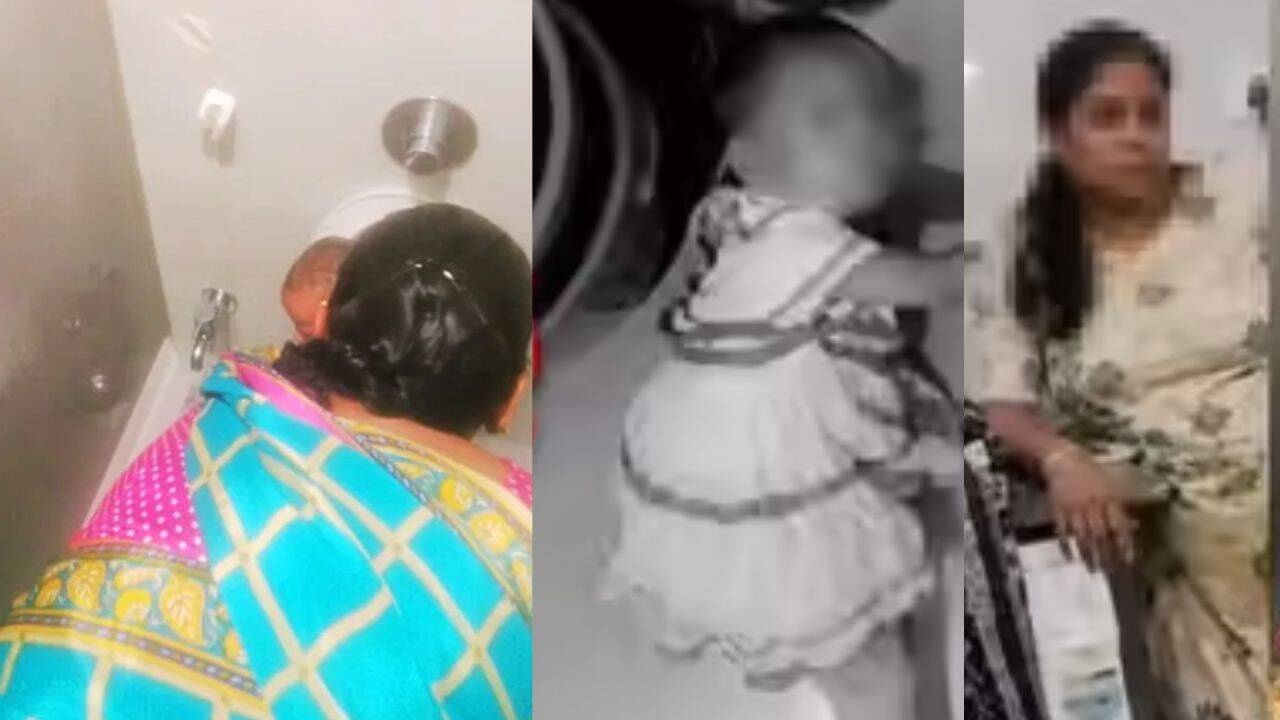
A shocking case of alleged abuse at a Bengaluru daycare facility has reignited a critical debate about child safety standards across India's rapidly expanding childcare sector. The emergence of videos documenting mistreatment of toddlers has provoked widespread alarm among parents, policymakers, and child welfare advocates who argue that the nation's childcare infrastructure lacks essential safeguards.
The incident underscores a troubling gap in India's approach to early childhood protection. As increasing numbers of working parents—particularly dual-income households—depend on daycare and workplace childcare services, the industry has expanded at a pace that regulatory frameworks have failed to match. Authorities and industry observers acknowledge that expansion has prioritised capacity over safety, leaving vulnerable children exposed to inadequate supervision and insufficient oversight of those entrusted with their care.
Child protection experts emphasise that young children face particular risks because they cannot communicate or report maltreatment to parents or authorities. This communication gap makes external monitoring and accountability mechanisms absolutely vital. Currently, India lacks comprehensive national standards governing daycare operations, caregiver qualifications, training requirements, and inspection protocols. Many facilities operate with minimal oversight, and corporations providing childcare spaces often assume their responsibility ends once infrastructure is supplied, without ensuring quality care or staff competence.
The case has significant implications for working families across India, particularly in metropolitan areas where both parents typically work. Parents face an impossible choice: risk leaving children in potentially unsafe commercial facilities, or forgo employment opportunities. The incident also highlights corporate accountability failures, as employers who provide or subsidise childcare must ensure these services meet robust safety and quality standards.
Child welfare organisations are now demanding urgent action, including mandatory staff training certifications, surprise inspections by independent bodies, installation of monitored observation systems with parental access, and criminal accountability for negligence. The government must develop a unified child protection framework that establishes minimum standards for all daycare facilities, whether private, corporate-sponsored, or community-run.
This case represents a watershed moment for India's childcare policy. Without decisive regulatory intervention and enforcement, the nation risks sacrificing child safety for convenience and profit.