Scientists discover massive hidden geological structure beneath Antarctica's ice sheet
Researchers have identified a colossal fan-shaped basin hidden deep beneath East Antarctica's ice. The discovery reshapes understanding of how the ancient supercontinent Gondwana broke apart and could influence climate science.

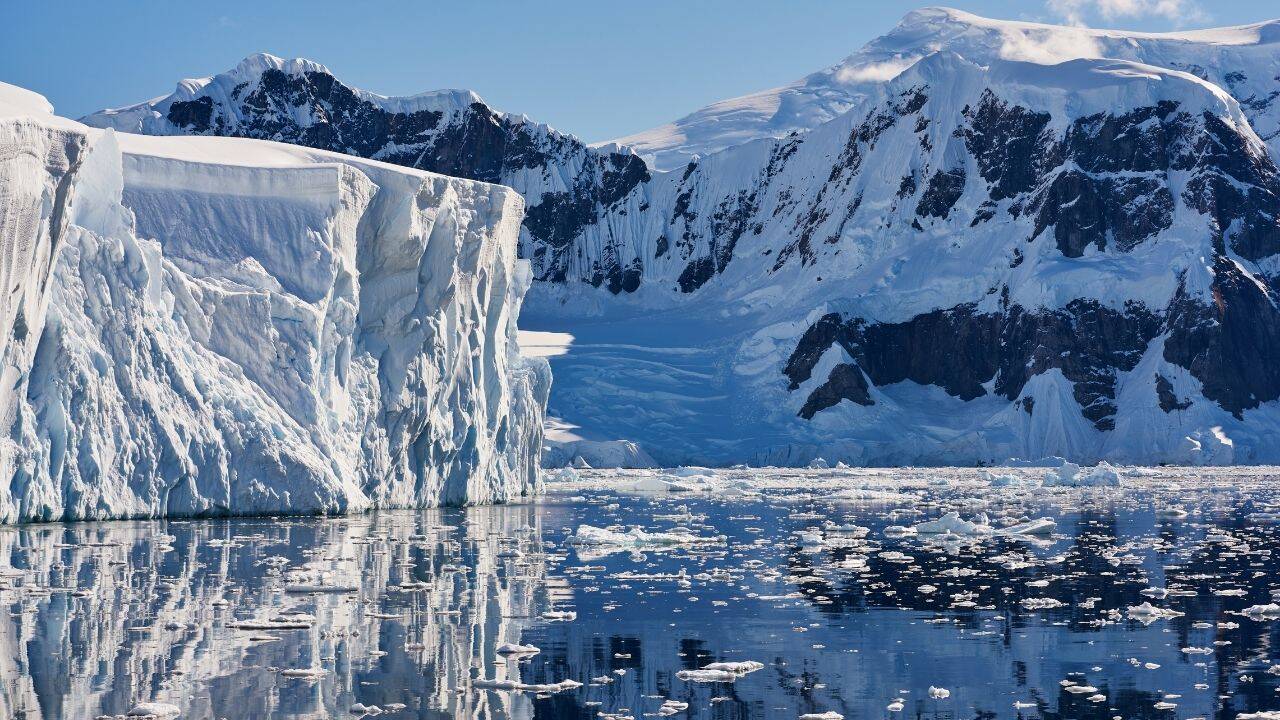
Scientists working on geological surveys of Antarctica have uncovered a vast, previously unknown geological formation concealed beneath the East Antarctic ice sheet. The structure, officially named the East Antarctic Fan-Shaped Basin Province, represents a significant discovery in understanding the continent's subsurface composition and geological history.
The fan-shaped basin connects several previously identified underground basins in the region, indicating a more interconnected and complex geological landscape than researchers had previously understood. This finding challenges earlier assumptions about the stability and structure of East Antarctica's bedrock and has important implications for comprehending how the region evolved over millions of years.
The discovery emerged through advanced geological surveys and mapping techniques that allowed scientists to penetrate the thick ice layer and examine the terrain beneath. By studying seismic data and other geological indicators, researchers were able to piece together evidence of this massive formation that remained hidden from view until now. The structure's fan-shaped configuration suggests it formed through specific geological processes during ancient periods of continental movement and reorganisation.
The findings shed new light on the breakup of Gondwana, the supercontinent that existed hundreds of millions of years ago and eventually fragmented into the continents we know today. Understanding how Gondwana's separation unfolded helps scientists reconstruct Earth's tectonic history and the forces that shaped our planet's current geography. The East Antarctic Fan-Shaped Basin Province provides fresh evidence about the timing and mechanics of this continental fragmentation.
Beyond historical significance, the discovery carries implications for contemporary climate science. The geological structure influences how water flows beneath the ice sheet and affects ice stability in the region. As global temperatures rise and Antarctic ice faces increasing pressure from climate change, understanding the underlying geological architecture becomes crucial for predicting how ice sheets will respond to warming conditions. Scientists believe this knowledge could improve climate models and help forecast future changes to Antarctica's ice coverage, which has major consequences for global sea levels and coastal regions worldwide.