European homes built for cold now struggle as heatwaves intensify across continent
Europe's traditional architecture, designed to trap warmth during freezing winters, is proving disastrous during intense heatwaves. Homes built with thick insulation and heavy materials are becoming unbearably hot, exposing a major climate vulnerability.

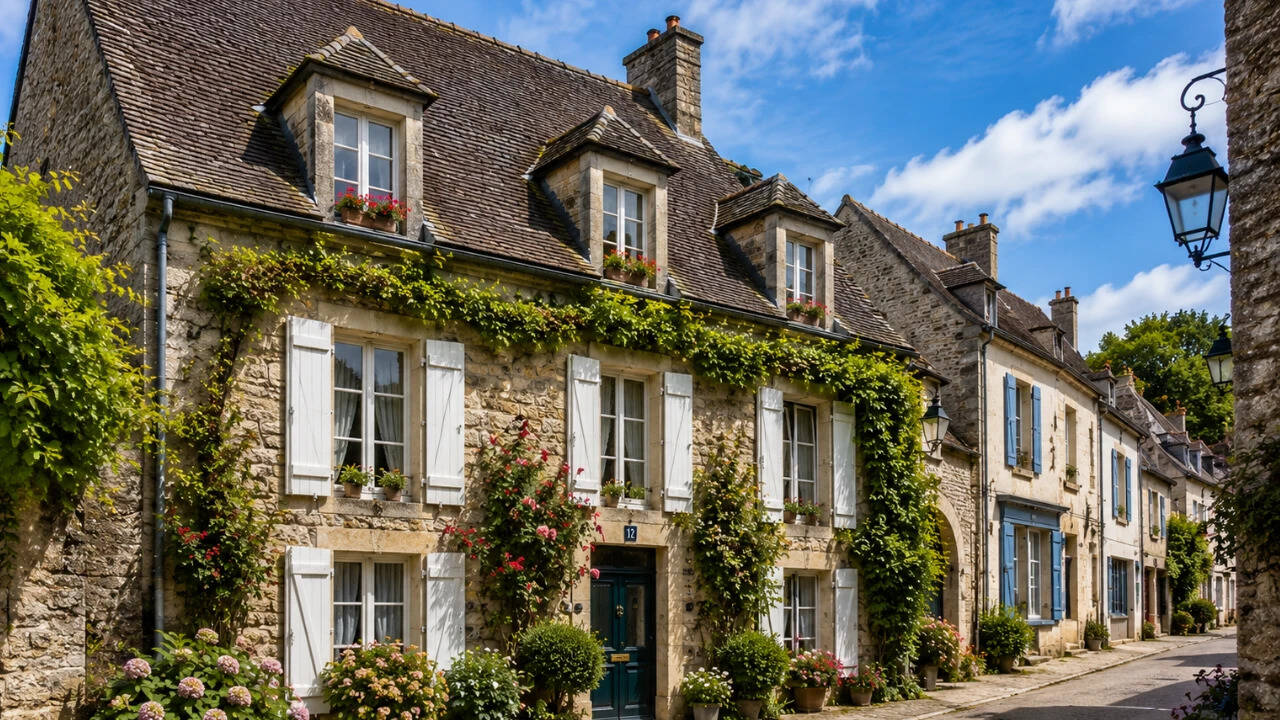
Europe is grappling with a housing crisis born from climate change, as traditional home designs optimized for freezing winters are now trapping dangerous levels of heat during increasingly severe summer heatwaves.
Across northern and central Europe, millions of residents live in homes constructed with materials and techniques specifically engineered to retain warmth. Stone and brick walls combined with thick insulation and multi-pane windows were excellent solutions for surviving harsh winters. However, these same features that once protected families from the cold are now creating suffocating indoor environments as temperatures soar to record levels.
The architectural challenge reveals a fundamental mismatch between how European homes were built and the climate reality residents now face. For centuries, European building standards prioritized heat retention as the primary concern. Thick walls, minimal ventilation, and heavy insulation made perfect sense in regions where winters could be deadly. Windows were designed to seal tightly, preventing warm air from escaping. But this design philosophy created a serious problem: homes that cannot effectively shed heat when outside temperatures become dangerously high.
As heatwaves become more frequent and intense across the continent, residents are experiencing extreme indoor temperatures that pose serious health risks. The elderly, children, and those with medical conditions face particular danger from prolonged exposure to unmanaged heat inside their own homes. Traditional cooling solutions like air conditioning are not widely installed in European homes, partly due to cost and partly due to historical assumptions that such devices would never be necessary.
This architectural crisis highlights how climate change is forcing Europe to rethink building standards developed over centuries. Homes designed for one climate are proving inadequate for another. Experts are now calling for retrofitting existing homes with better ventilation systems, reflective roofing materials, and heat management solutions. Meanwhile, new construction standards are being developed to balance heat retention during winter with heat dissipation during summer.
The challenge extends beyond individual comfort. Healthcare systems are straining under heat-related illnesses, energy costs are rising as people struggle to cool their homes, and the economic impact of housing inadequacy is mounting. Europe's housing crisis is no longer just about affordability—it is increasingly about survival in a warming world.