Ancient Ritual Circle Discovered Beneath Scottish Island Using Advanced Scanning
Archaeologists uncover 5,000-year-old Neolithic ceremony site on Isle of Arran without excavation.

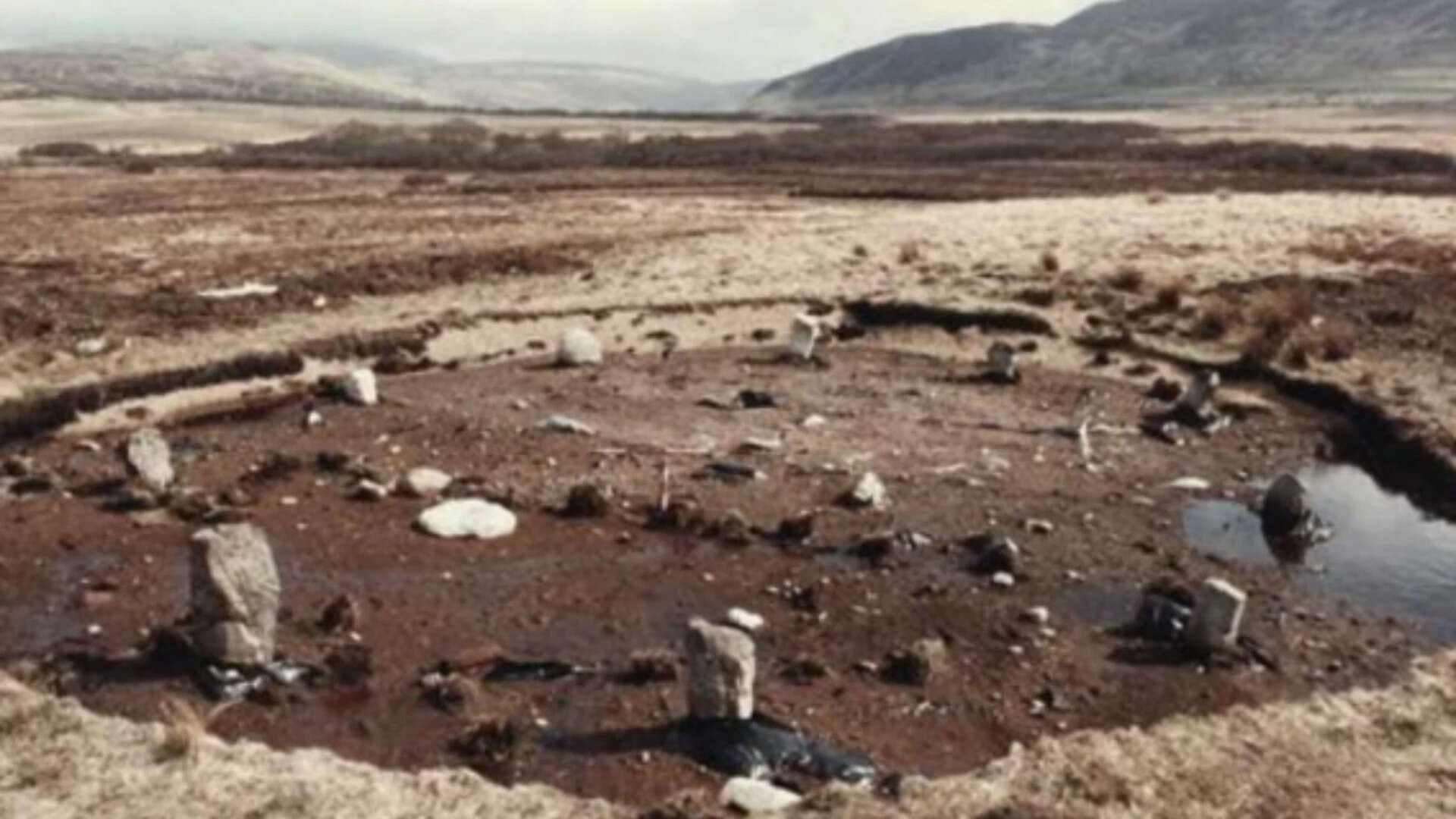
Researchers have uncovered a remarkable 5,000-year-old ritual circle hidden beneath the Scottish Isle of Arran, marking a significant archaeological discovery in the region. Using cutting-edge geophysical scanning technology, scientists identified a perfectly preserved ring of 12 underground pits without requiring any invasive digging, allowing the ancient site to remain largely undisturbed.
The find, located on Machrie Moor, dates back to either the Neolithic or Bronze Age period. The arrangement of pits strongly suggests the presence of ancient timber structures that once stood at this location, possibly used for ceremonial or ritualistic purposes by prehistoric communities. The non-invasive discovery method represents a major advancement in archaeological research techniques.
Machrie Moor has long been recognized as an archaeologically rich area, with numerous standing stones and ancient monuments already documented across the landscape. This new discovery deepens our understanding of how ancient peoples in Scotland used specific locations for spiritual and communal gatherings thousands of years ago.
The find demonstrates how modern technology enables archaeologists to locate and study prehistoric sites without causing damage to fragile underground structures. Such discoveries help piece together the religious and social practices of ancient civilizations, revealing patterns about their beliefs and community organization.
Experts believe this ritual circle may have served as a gathering place for seasonal ceremonies or important tribal events. The discovery invites further research into similar sites across the Scottish Highlands and Islands, potentially revealing a network of ancient ceremonial landscapes.