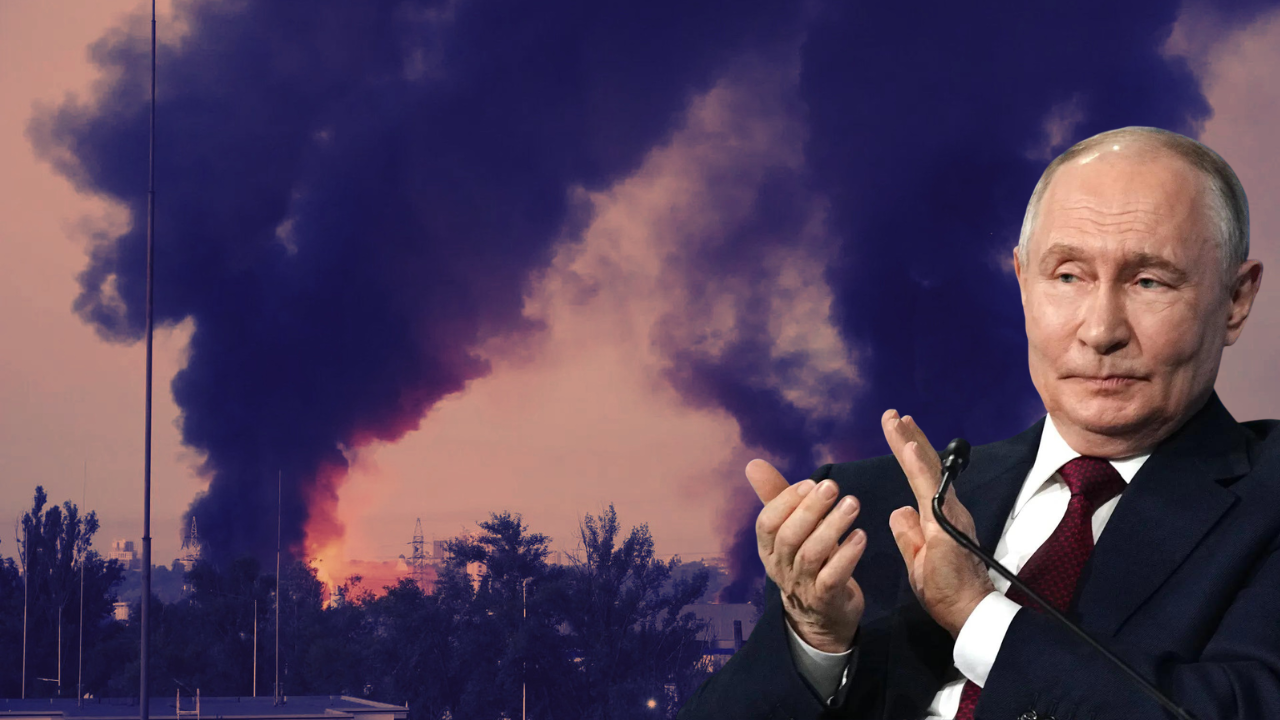
NATO to label Russia as long-term threat amid ongoing Ukraine conflict
NATO is preparing to formally designate Russia as a persistent strategic threat to its member nations. The move comes as Russian forces continue military operations against Ukraine, marking a significant shift in the alliance's security posture.

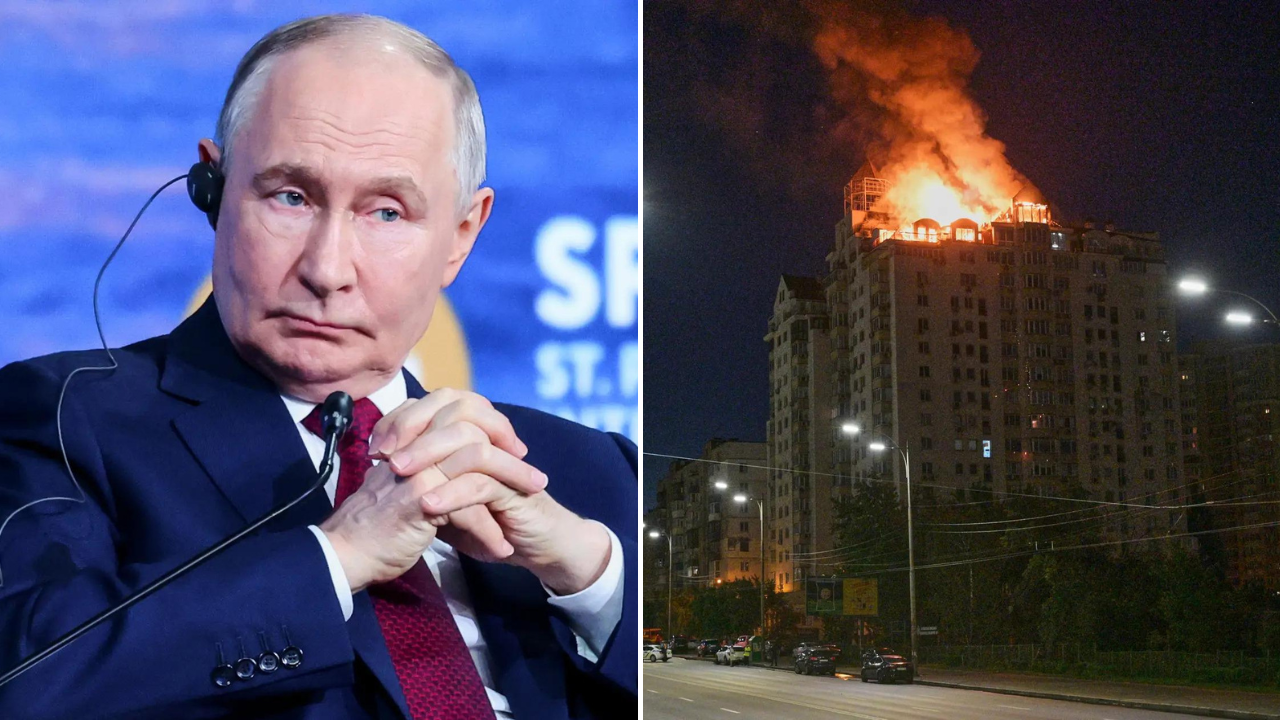
NATO is preparing to formally classify Russia as a long-term strategic threat to the alliance and its member states, according to reports. This significant declaration is expected to shape NATO's defence policies and military positioning across Eastern Europe and beyond.
The decision reflects NATO's assessment that Russia poses an enduring security challenge rather than a temporary concern. Alliance officials have indicated that this formal designation will guide future military deployments, weapon stockpiles, and defence spending commitments across member nations. The classification comes as Russian military operations against Ukraine continue unabated, with no clear resolution in sight despite ongoing diplomatic efforts and international sanctions.
The backdrop to this announcement is Russia's sustained military campaign in Ukraine, which began in February 2022 and has resulted in significant casualties, displacement, and economic damage. NATO member states bordering Russia have expressed heightened security concerns, prompting increased military presence and defence investments in the region. The alliance has repeatedly condemned Russian military aggression and pledged support to Ukraine's defence efforts.
This formal declaration will likely result in concrete strategic implications for NATO's 32 member states. Countries near Russia's borders may see enhanced military assistance, increased training exercises, and stronger defensive infrastructure. The designation also signals to Russia that NATO views it as a permanent adversary requiring constant vigilance and preparedness, potentially escalating military posturing in the region.
NATO's declaration is expected to influence military spending decisions across member nations and reinforce commitments to collective defence under Article 5 of the NATO treaty. The move underscores the alliance's determination to maintain deterrence and security in the face of what it perceives as Russian expansionism and regional threats. Upcoming NATO summits will likely formalise this stance and outline specific defence measures moving forward.