Romania's Mysterious Walking Forests Shift Position Over Decades
Natural phenomenon sees entire forests migrate across landscape in remarkable geological mystery.

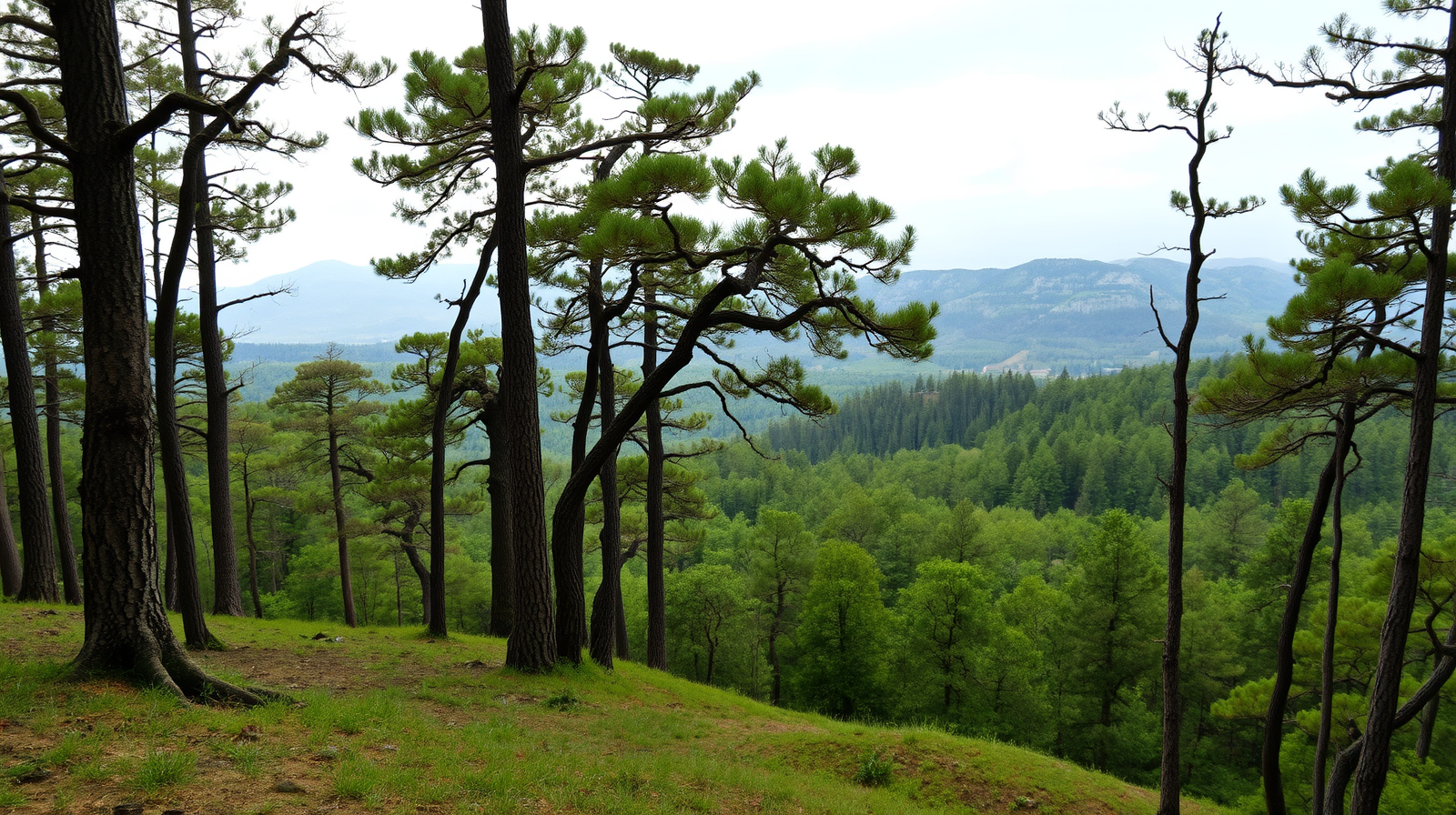
Deep within Romania's mountainous regions, a peculiar geological wonder has baffled scientists and locals alike — forests that appear to relocate themselves across the landscape without human intervention. These so-called 'walking forests' have been observed to shift their positions gradually over extended periods, creating an enigma that challenges conventional understanding of how ecosystems function.
The phenomenon occurs primarily in the Carpathian Mountains, where dense woodland areas have been documented moving measurably across terrain over decades. Geologists attribute this unusual movement to a combination of factors including soil erosion, underground water flows, and the gradual shifting of underlying geological layers. The movement happens so slowly that it remains imperceptible to casual observers, yet becomes evident when comparing historical maps and satellite imagery across generations.
This occurrence represents a rare intersection between geology and botany, where natural forces work together to transport entire forest systems. The 'walking' process is driven by the constant interaction between tree root systems, soil composition, and groundwater dynamics that cause the forest floor to migrate gradually downslope or across vulnerable terrain.
While the phenomenon holds limited direct relevance to Mumbai's urban landscape, it exemplifies the dynamic and ever-changing nature of Earth's natural systems. Understanding such geological processes helps scientists comprehend ecosystem adaptation and landscape evolution on a global scale, contributing to broader knowledge about environmental change and nature's hidden mechanisms.
The walking forests of Romania remain a subject of ongoing scientific study, attracting researchers eager to document and explain this remarkable natural anomaly that continues to unfold in real-time across Eastern Europe's wilderness regions.
Source: Times of India