Sion School Reopens as Learning Centre After Court Declared It Illegal
A Sion school shut down by court order has resumed operations under a new name, operating as a 'learning centre' instead of a registered institution. The move raises questions about regulatory oversight in Mumbai's education sector.

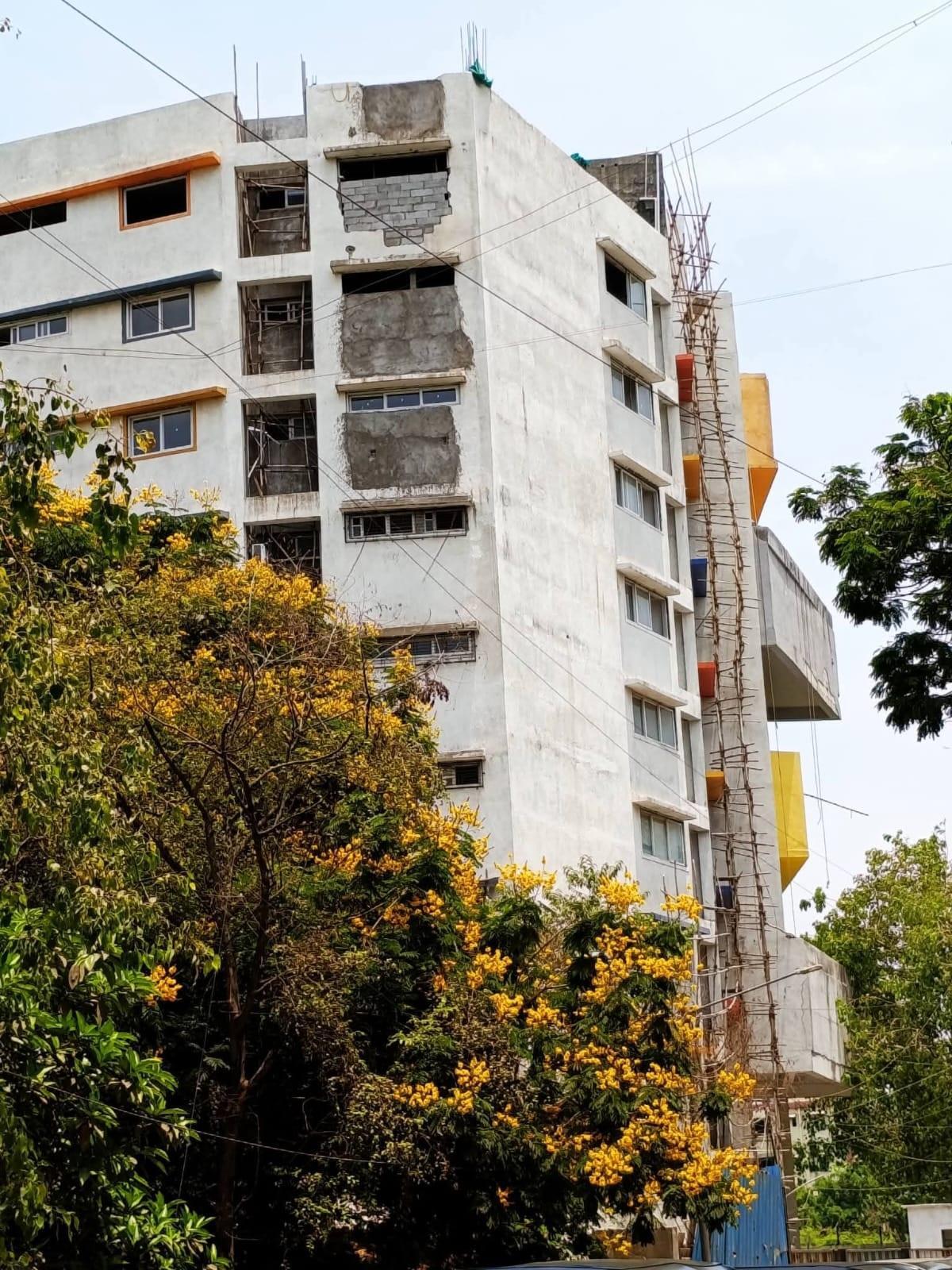
A school in Sion that was declared illegal by court proceedings has quietly resumed functioning under a different operational model, now marketing itself as a learning centre rather than a formal educational institution. The facility, which previously operated as a registered school, has found a way to continue admitting students and conducting classes despite facing legal action that forced its closure.
The school's decision to rebrand and restart operations comes after it faced serious legal challenges to its legitimacy as an educational establishment. Rather than shutting down permanently, the institution has reorganised its structure, shifting from the formal school model to an informal learning centre setup. This change in designation appears designed to operate within different regulatory frameworks that may impose fewer requirements or oversight compared to registered schools operating under Maharashtra state education laws.
The reopening highlights gaps in the enforcement of education regulations across Mumbai. Authorities responsible for monitoring educational institutions have not taken immediate action to prevent the facility from resuming activities, despite the court's declaration of illegality. Officials from the education department have been approached for comment on whether the new operational structure violates existing regulations or if learning centres fall under different compliance requirements.
Parents and students who were affected by the school's closure have enrolled in the new learning centre setup, indicating that demand for the facility's services remains strong in the Sion locality. However, questions remain about the educational standards, teacher qualifications, and curriculum quality that students will receive in this informal setting compared to a registered school.
Education experts warn that such regulatory loopholes can disadvantage students whose educational credentials from learning centres may not carry the same weight as formal school certificates during admissions to higher education institutions. The development raises broader concerns about the need for stricter monitoring and enforcement mechanisms to prevent illegal educational institutions from circumventing regulations through structural rebranding. The education department's response to this situation could set a precedent for how similar cases are handled across Mumbai's education sector.