Iran's New Leader Mojtaba Khamenei Skips Father's Funeral Amid US Strike Fears
Ayatollah Ali Khamenei's funeral draws massive crowds, but his son and designated successor Mojtaba was notably absent from initial ceremonies. Heightened security and potential American attacks have forced delays in burial plans across Iran and Iraq.

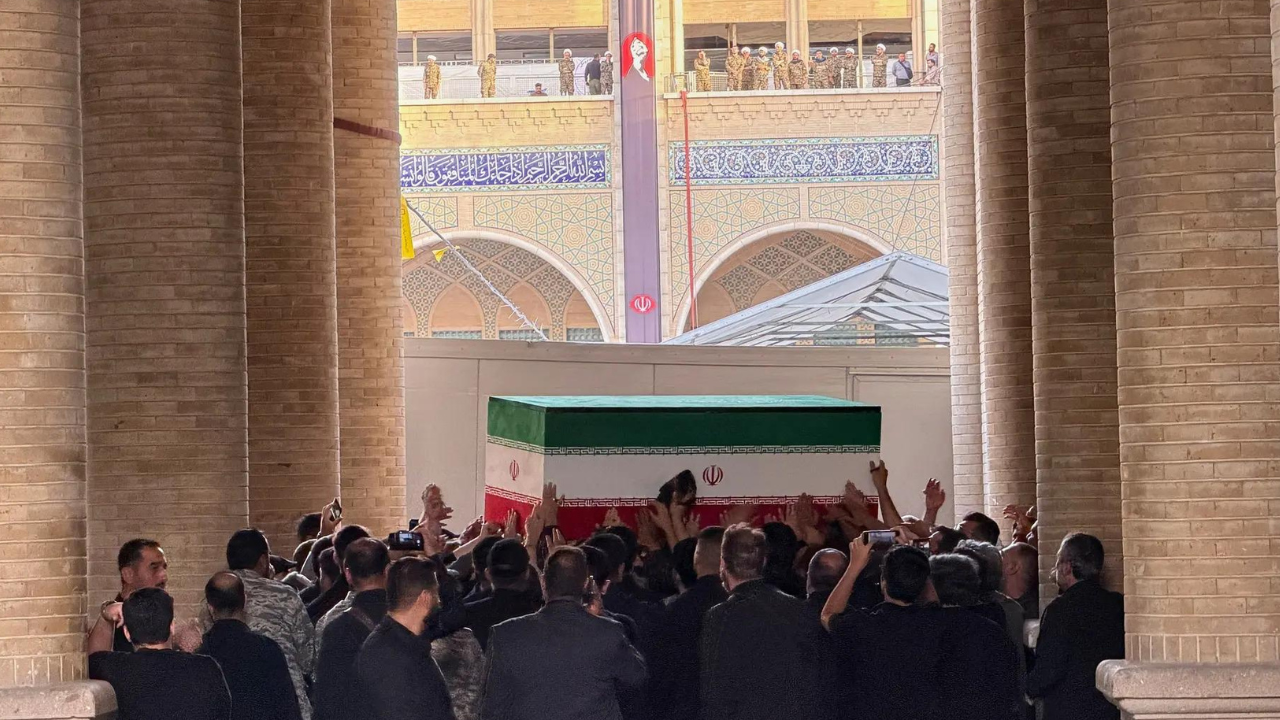
Iran is mourning the death of Supreme Leader Ayatollah Ali Khamenei following a recent Middle East conflict, but the succession process has been marked by unusual circumstances and security concerns. The funeral ceremonies, expected to attract millions of mourners and international dignitaries, are being conducted under extraordinary security measures as officials remain vigilant against potential military strikes from the United States.
Mojtaba Khamenei, the late Supreme Leader's son and widely anticipated successor, was notably absent from the initial funeral services—a striking development that has raised questions among observers. The absence comes as Iran and its leadership take unprecedented precautions to protect key officials during what is a sensitive period of transition. Security officials have cited fears of external military action as justification for the heightened alert and disruptions to traditional funeral proceedings.
The circumstances surrounding the death and the subsequent funeral arrangements reflect the volatile security situation in the Middle East. Rather than proceeding with standard burial protocols immediately, Iranian authorities have delayed final burial plans and instead scheduled a series of memorial events across multiple locations in Iran as well as Iraq. These postponements underscore the regime's concerns about vulnerability during the transition period and the ongoing tensions with Western powers.
The funeral's scale demonstrates the significance of Khamenei's role in Iranian politics and regional affairs. However, the security lockdown has prevented the kind of open, large-scale public gathering that would typically characterize such a momentous occasion in Iran's history. Officials have had to balance the need for public mourning with the imperative to protect the country's leadership from external threats.
Mojtaba Khamenei's absence from the ceremonies is particularly notable given his expected role as successor. Analysts suggest the move may be a deliberate security precaution to ensure continuity of leadership in case of an unexpected attack. The situation highlights how external military threats can disrupt even the most important state functions in Iran. As funeral proceedings continue across scheduled venues, the international community watches closely for signs of how smoothly Iran's succession will proceed despite these extraordinary challenges.