Scientists Install World's First Underwater Residential Lab 17 Metres Deep
Groundbreaking underwater habitat enables long-term marine research in Florida Keys depths.

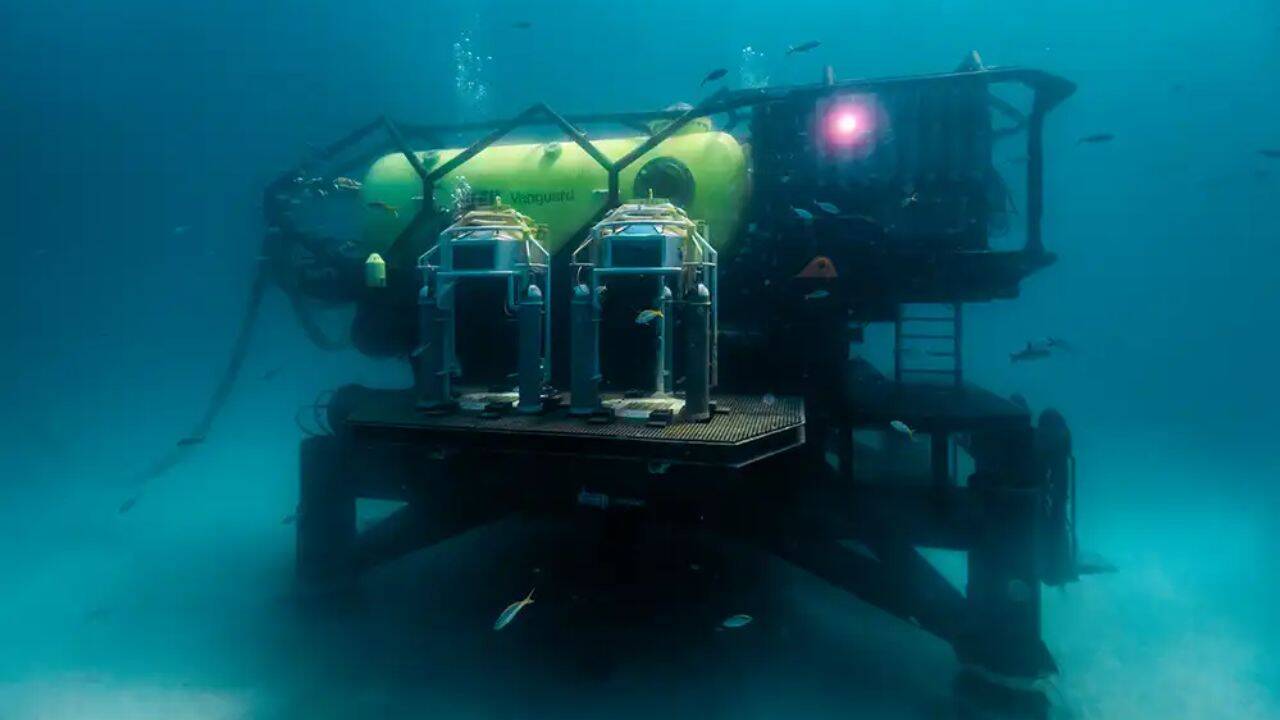
Researchers have achieved a major milestone in oceanographic science with the installation of the first-ever underwater residential habitat in the Florida Keys, positioned 17 metres beneath the ocean surface. This innovative structure represents a significant advancement in how scientists can study marine ecosystems and conduct extended underwater research missions.
The underwater home serves as a functional laboratory where teams of researchers can live and work for extended periods, allowing them to conduct comprehensive studies of the surrounding oceanic environment. The facility is equipped with life support systems, research instruments, and living quarters designed to sustain human occupancy while maintaining scientific capabilities. This breakthrough enables scientists to observe marine life behaviour and environmental conditions with unprecedented continuity and accuracy.
Underwater habitats have long been considered the next frontier in marine exploration and research. By eliminating the need for constant surface trips, scientists can dedicate more time to uninterrupted observation and data collection. Such facilities are crucial for understanding deep-sea ecosystems, studying climate change impacts on marine life, and developing new conservation strategies.
This development holds implications for ocean research globally, particularly for nations like India with extensive coastlines and marine resources. The technology pioneered in Florida could eventually benefit marine science programmes across the world, including studies in the Arabian Sea and Indian Ocean ecosystems. Understanding our oceans has become increasingly vital as climate change threatens marine biodiversity.
Experts anticipate that underwater habitats will become more commonplace in marine research infrastructure, potentially leading to collaborative international projects. The facility in Florida Keys demonstrates that sustained underwater human presence is technically feasible, opening new possibilities for long-term environmental monitoring and marine biology studies.
Source: Times of India