Bombay HC strikes down externment order, protects citizens' right to protest
The Bombay High Court has quashed an externment order against a political activist, ruling that opposing government policies and staging protests cannot justify forcing someone to leave their locality. Justice Madhav Jamdar upheld citizens' constitutional right to express dissent.
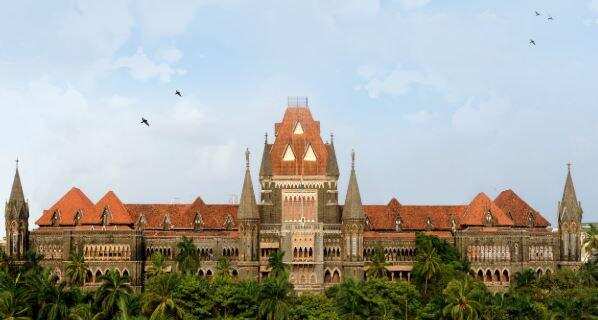
The Bombay High Court has delivered a significant judgment protecting citizens' constitutional right to dissent, quashing an externment order that had been imposed against a political party office-bearer for participating in protests and demonstrations.
Justice Madhav Jamdar, while hearing the case, made it clear that the fundamental right to express opinions and stage peaceful protests cannot serve as legal grounds for forcing an individual out of their residential area. The court specifically addressed the issue of protest slogans critical of the government, noting that even statements like 'BJP Govt murdabad' fall within the ambit of free speech and cannot be used to justify such drastic measures against citizens.
The judgment raises critical questions about the scope and application of externment orders in India. Justice Jamdar's observations suggest that authorities cannot weaponise such orders merely because citizens choose to voice opposition to government decisions or policies. The court emphasised that dissent and protest are integral to a functioning democracy and are protected under India's constitutional framework. The judge questioned whether such actions effectively turn all citizens into slaves of the government, highlighting the tension between state authority and individual liberty.
This ruling has significant implications for political activists, protesters, and ordinary citizens who exercise their democratic rights. Externment orders, which restrict a person's movement to or residence in a particular area, are typically reserved for serious crimes or threats to public order. By striking down such an order based merely on political protest, the court has set an important precedent against the misuse of executive power.
The judgment reflects growing judicial concern about protecting dissent in India. Courts have increasingly scrutinised actions taken against protesters, recognising that democracy thrives on the freedom to criticise and oppose government policies. This decision sends a clear message to authorities that fundamental rights cannot be suspended simply because someone exercises their constitutional right to protest.
The ruling is expected to influence how authorities approach similar cases in the future, potentially leading to greater restraint in imposing externment orders against political activists and protesters. Legal experts view this as a landmark judgment strengthening democratic protections in the country.