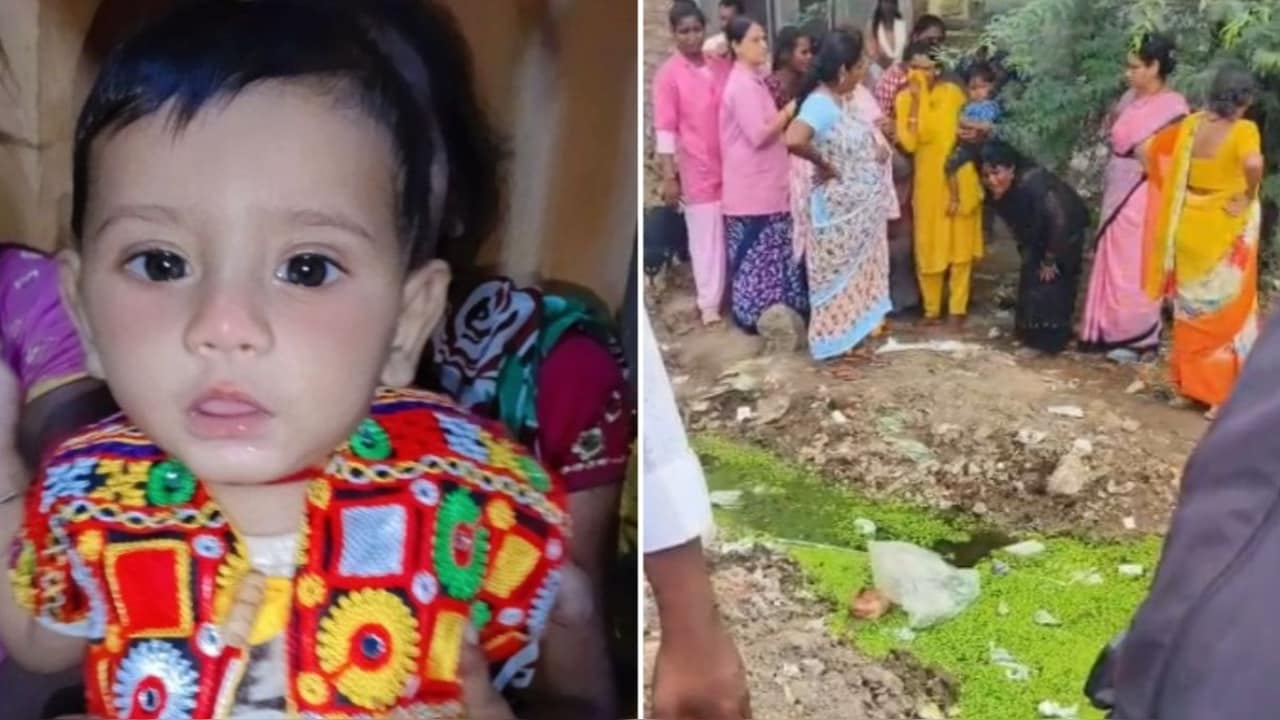
Bengaluru Daycare Abuse Exposes India's Childcare Safety Crisis
Shocking daycare incident ignites nationwide debate on childcare oversight and caregiver accountability.

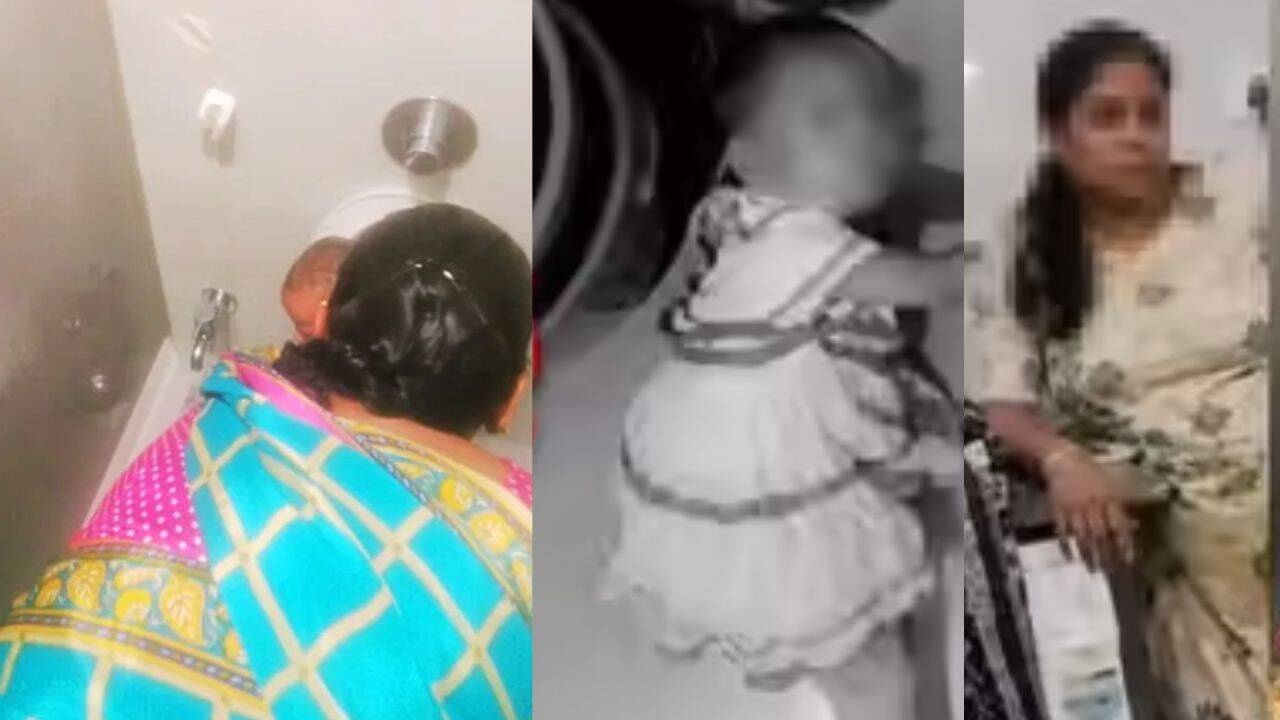
A disturbing incident at a Bengaluru daycare facility has triggered serious questions about the safety and supervision standards across India's growing childcare sector. Videos documenting alleged mistreatment of toddlers have sparked widespread public outcry, prompting calls for urgent reforms in how childcare centers operate and are monitored.
The case underscores a critical gap between the rapid expansion of workplace daycare facilities and the regulatory frameworks designed to protect vulnerable children. As more Indian families pursue dual incomes, the demand for professional childcare has surged, but the infrastructure for oversight and accountability has failed to keep pace. Experts argue that current systems lack adequate caregiver training requirements, insufficient background checks, and minimal supervision protocols.
The vulnerability of toddlers—who cannot report or describe mistreatment—makes robust safeguards essential. Without proper regulation, children remain at risk in environments where caregivers operate with limited accountability. This incident highlights how corporate provisions of childcare space are insufficient without comprehensive child protection measures embedded throughout the system.
The incident has renewed focus on implementing stricter licensing requirements, mandatory caregiver certifications, and regular independent inspections across all childcare facilities. Many argue that India needs a national framework establishing clear standards for staff-to-child ratios, background verification protocols, and transparent oversight mechanisms.
Experts emphasize that addressing this crisis requires collaboration between government regulators, employers, parents, and childcare operators to create enforceable safeguards. Without immediate intervention, vulnerable children will continue facing preventable risks in spaces supposedly designed for their care and development.
Source: Times of India