India keeps Indus Waters Treaty suspended over Pakistan terror funding
New Delhi maintains its freeze on the landmark water-sharing agreement, demanding Pakistan stop backing cross-border terror groups. India also updates Bangladesh on Teesta River project plans amid regional water diplomacy.

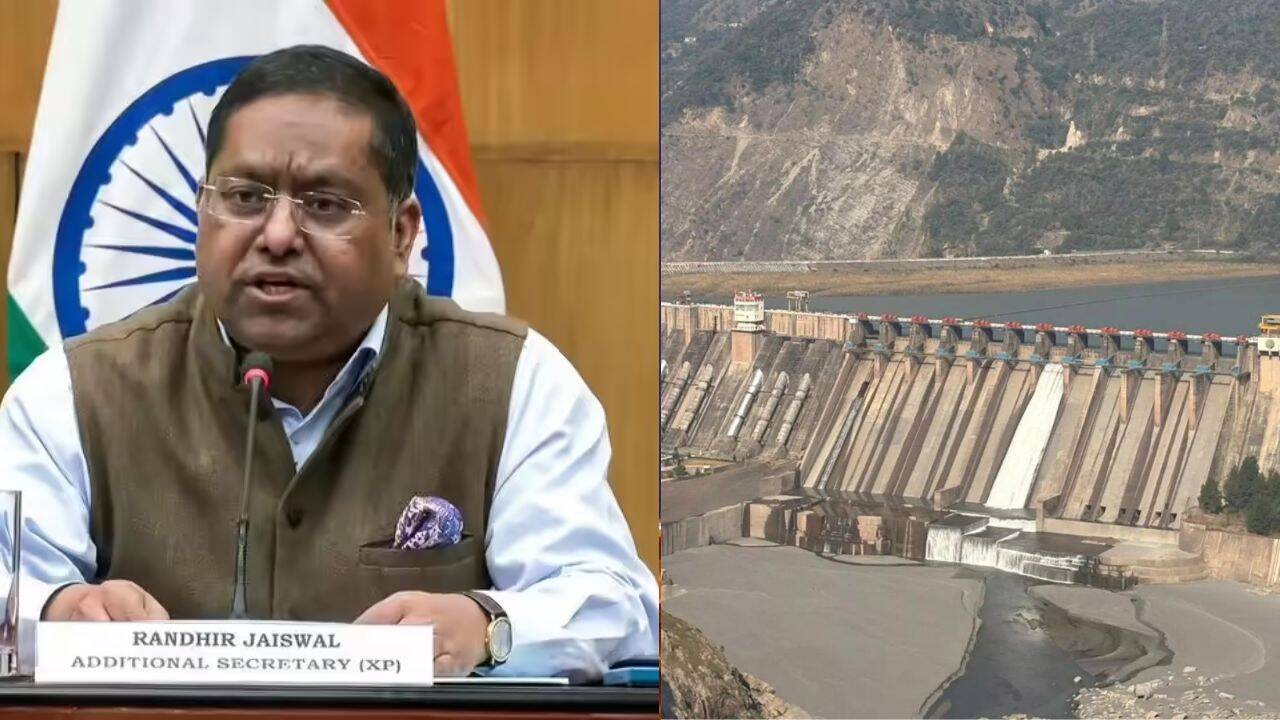
India has reaffirmed its decision to keep the Indus Waters Treaty in abeyance, citing Pakistan's ongoing financial and logistical support for cross-border terrorist organisations as the primary reason for the suspension.
The Ministry of External Affairs made this clear in recent statements, holding that Pakistan must fundamentally change its approach to counterterrorism before any normalisation of the historic water-sharing agreement can occur. The treaty, signed in 1960 between the two nations, has long been considered one of the few successful bilateral mechanisms despite decades of political tension. However, New Delhi argues that Pakistan's continued backing of terror groups has made it impossible to maintain business-as-usual under the accord.
The suspension of the treaty represents a significant diplomatic step, as water-sharing agreements typically remain insulated from political disputes. India's position indicates that New Delhi views Pakistan's terror funding as a fundamental breach of trust that undermines cooperation across all sectors, including critical areas like shared water resources. The MEA has repeatedly stressed that the onus lies with Islamabad to address these concerns before dialogue can resume on this front.
Simultaneously, India has been engaging with Bangladesh on the proposed Teesta River project, assuring its eastern neighbour of full cooperation and transparency. New Delhi has communicated its plans for the shared waterway to Dhaka, emphasizing that any developments will proceed only after thorough mutual consultations and consensus. This contrasts sharply with India's hardline stance toward Pakistan, suggesting New Delhi prioritizes collaborative approaches with countries it views as genuine partners in regional stability.
The dual approach reflects India's broader regional water diplomacy strategy: seeking cooperation with responsible neighbours while holding firm on non-negotiables with nations it accuses of harbouring terror elements. Officials indicated that the Indus Waters Treaty will remain suspended until concrete evidence emerges that Pakistan has ceased sponsoring cross-border militant organisations. Bangladesh, meanwhile, can expect continued engagement on shared river management based on equitable benefit-sharing principles.