Supreme Court Rules Privacy Cannot Shield Adultery Evidence in Divorce Cases
SC upholds that privacy rights yield to adultery proof in marriage dissolution proceedings.

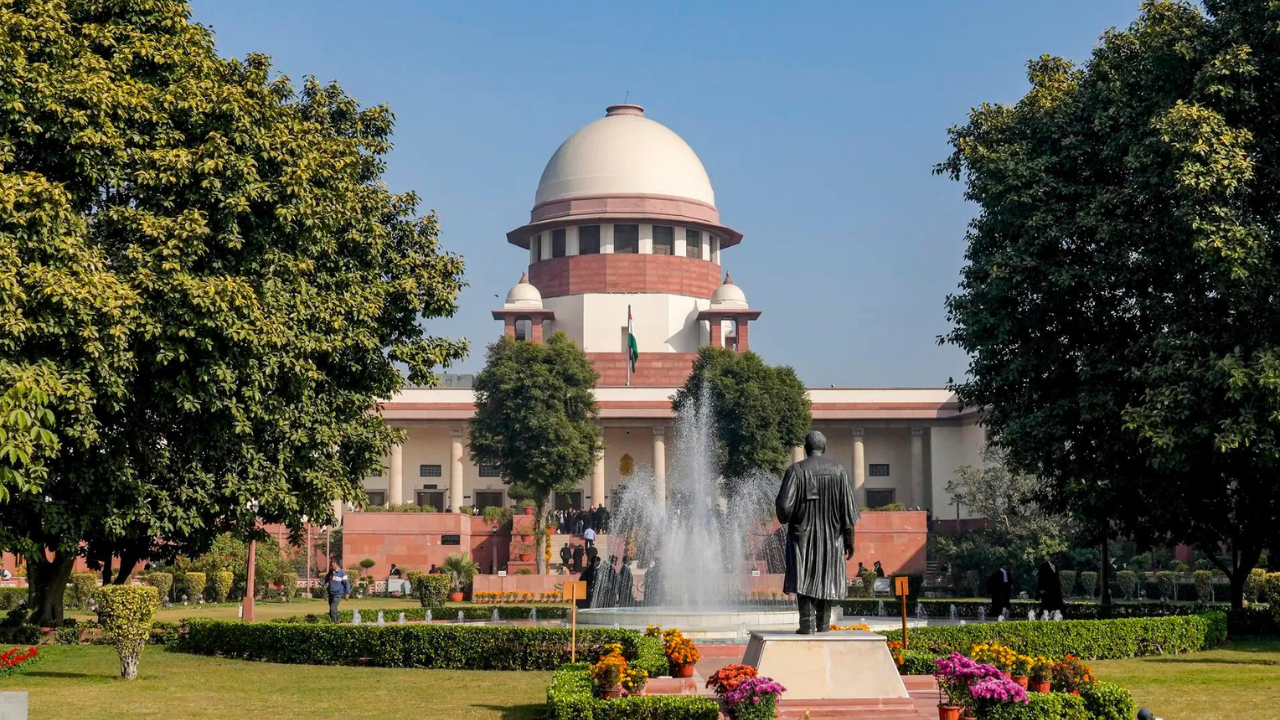
The Supreme Court has delivered a significant judgment on the boundaries of personal privacy in matrimonial disputes, ruling that individuals accused of adultery cannot use constitutional privacy protections to avoid disclosing sensitive personal records. The apex court confirmed the Delhi High Court's earlier decision, establishing that call logs and hotel accommodation details may be compelled as evidence in divorce proceedings.
The judgment clarifies that while the right to privacy is a fundamental right guaranteed under Article 21 of the Constitution, it remains subject to reasonable restrictions. The court emphasized that privacy rights are not absolute and must yield when compelling state interests or judicial proceedings demand disclosure of factual evidence. In the context of matrimonial law, the court recognized adultery as a recognized ground for divorce under the Hindu Marriage Act, justifying the production of such evidence.
This ruling becomes particularly relevant given India's legal framework governing marital dissolution. Courts have consistently upheld the necessity of corroborating evidence in adultery cases, as the offense inherently involves intimate matters that are difficult to establish without documented proof. The judgment balances the need to protect individual privacy with the judicial requirement for substantive evidence in resolving matrimonial disputes fairly.
The decision has far-reaching implications for divorce litigation across India. Spouses seeking marital dissolution on adultery grounds now have clearer legal backing to compel production of communication records and travel documentation. However, the ruling also maintains safeguards by emphasizing that such evidence must be relevant and directly connected to proving the alleged misconduct, preventing unfounded invasions of privacy.
Legal experts suggest this judgment provides necessary guidance for family courts handling contentious divorce cases. The Supreme Court's stance reinforces that justice and factual accuracy in matrimonial proceedings take precedence over generalized privacy claims, while maintaining that privacy restrictions remain limited to what is strictly necessary for adjudication.