Chinese App Under Investigation for Disabling E-Rickshaws Remotely
Delhi transport officials probe viral app exploiting battery vulnerabilities in e-rickshaws.
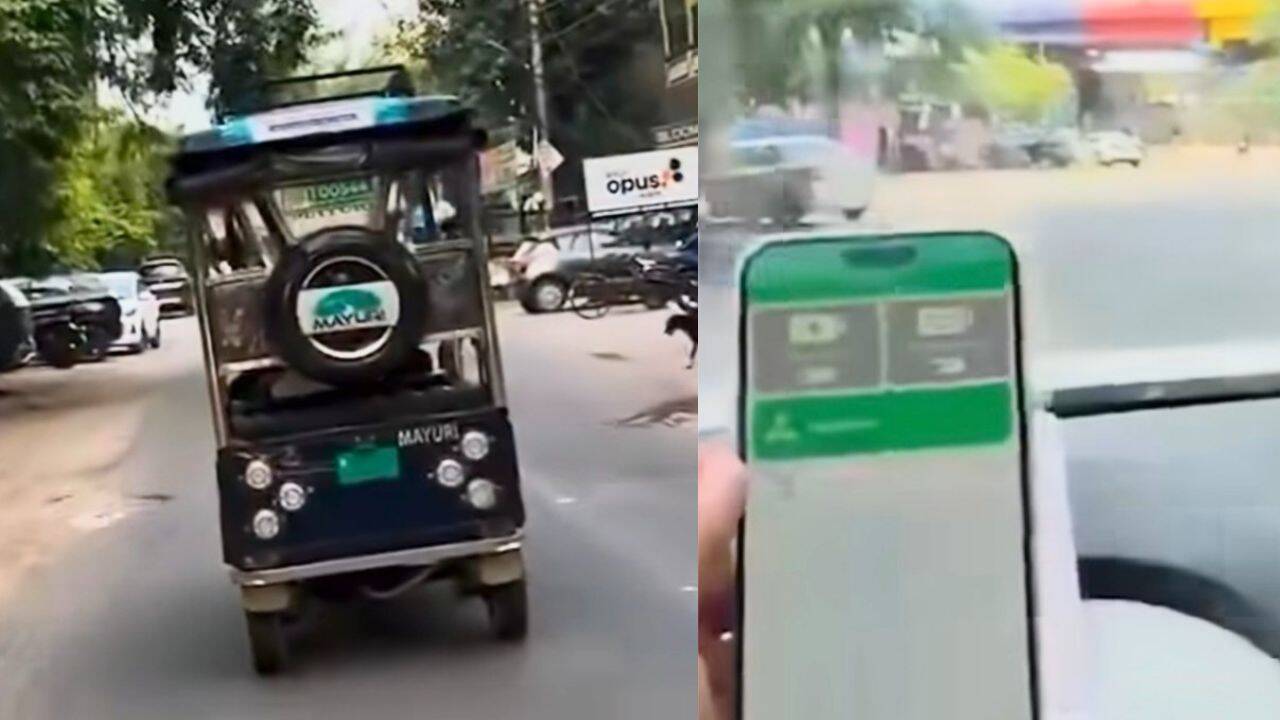
Delhi's transport authorities have launched an investigation into a Chinese application that allegedly allows users to remotely disable e-rickshaws operating across the city. The app, known as BAT-BMS, has drawn scrutiny after viral videos demonstrated its purported capability to halt vehicles by remotely cutting off their power discharge function.
The investigation centers on how the app exploits inadequately secured Bluetooth connectivity in Chinese-manufactured battery management systems fitted in e-rickshaws. According to reports, unauthorized users can reportedly access these systems and trigger vehicle shutdowns without the operator's knowledge or consent. Officials are currently verifying both the app's actual technical capabilities and the extent of security gaps in the battery systems themselves.
This discovery highlights growing concerns about cybersecurity vulnerabilities in India's rapidly expanding electric vehicle ecosystem. With thousands of e-rickshaws operating in cities nationwide, particularly Delhi, any security loophole poses significant risks to both vehicle operators and commuter safety. The reliance on imported Chinese battery management systems, often with minimal security protocols, has become a critical issue.
The findings could have major implications for India's e-rickshaw industry and transport regulations. Authorities may now mandate security audits and upgrades for battery management systems used in public transport vehicles. This incident also raises questions about device imports and the need for stricter cybersecurity standards in automotive applications. Transport departments across other major Indian cities are likely to conduct similar inspections of their e-rickshaw fleets.
Meanwhile, officials are working with manufacturers to identify and patch the vulnerable systems before they can be exploited on a larger scale. The investigation may also lead to recalls or firmware updates for affected battery units currently in operation.