Michigan children win battle against lemonade stand permit fees
Three brothers challenged a nearly $400 permit fee for their 50-cent lemonade stand. Their fight led to a bipartisan bill exempting minors earning under $5,000 from such permits.

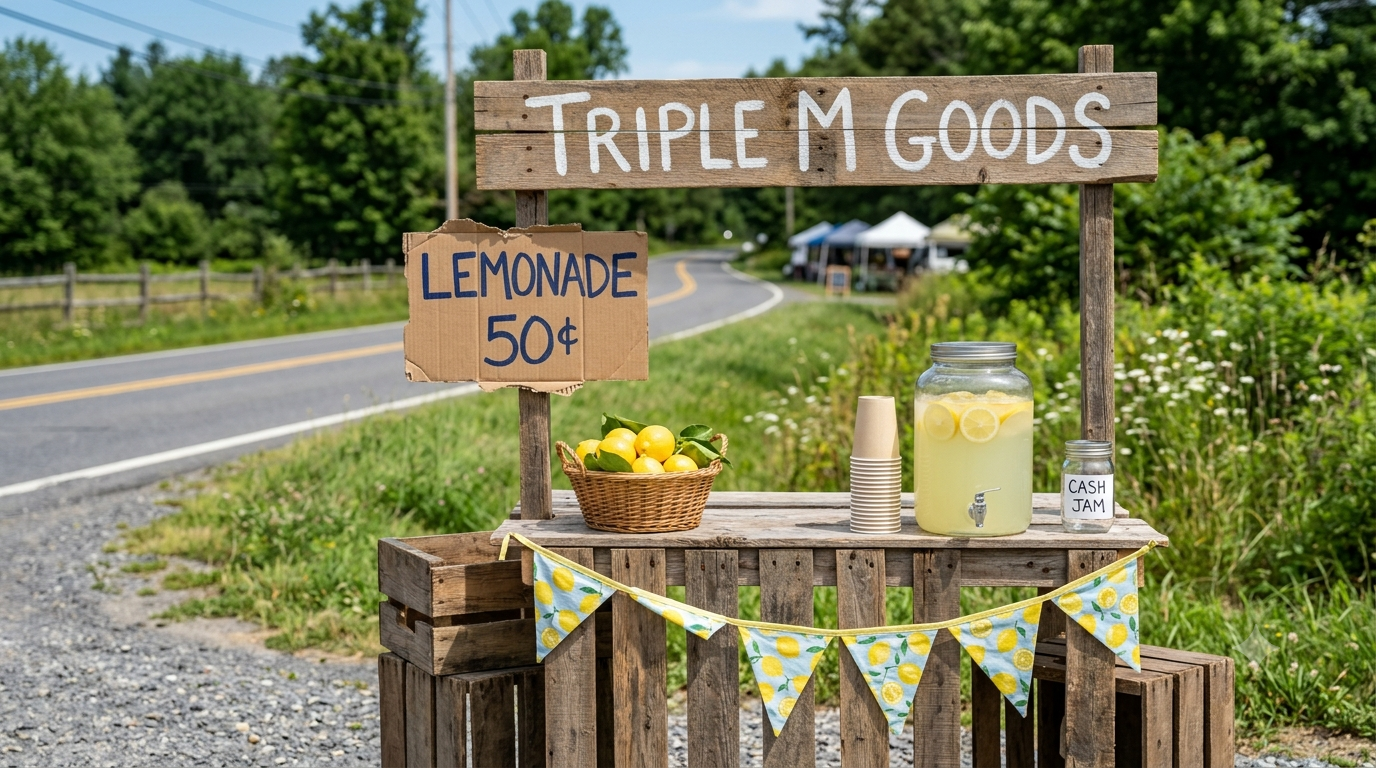
Three young entrepreneurs in Michigan have secured a significant victory in their fight against excessive regulatory fees on small business ventures. The brothers faced a permit charge of nearly $400 for operating a simple lemonade stand selling drinks at 50 cents each — a burden that sparked their determined push for legislative change.
The children, supported by their mother and a state representative, launched a campaign to challenge what they viewed as an unfair barrier to youthful entrepreneurship. Their grassroots effort resonated widely, drawing attention to how local regulations can inadvertently discourage children from engaging in traditional business activities. The three siblings refused to accept the situation passively and instead channeled their frustration into meaningful advocacy for policy reform.
Their efforts culminated in real legislative progress. A bipartisan bill has now passed the Michigan state house that would exempt minors from permit fees if they earn less than $5,000 annually from their ventures. The bill represents a recognition by lawmakers that childhood lemonade stands and similar small-scale operations serve an important educational purpose beyond mere profit-making. These informal businesses teach young people valuable lessons about commerce, customer service, and entrepreneurial thinking — traditions that have long been cherished in American culture.
The victory holds broader implications for how communities balance regulatory compliance with the fostering of youth enterprise. Previously, families operating small stands faced the same permitting requirements as established commercial businesses, effectively pricing out many children and their parents from participating in these learning experiences. The new legislation acknowledges that different rules should apply to minors operating micro-enterprises with minimal annual revenue.
This case demonstrates how persistent civic engagement by ordinary families can influence government policy. What began as three brothers' frustration with an arbitrary fee has evolved into state-level reform that could benefit countless young entrepreneurs across Michigan. The bipartisan support for the measure suggests recognition across political lines that preserving such childhood traditions matters to communities.