Maharashtra Pink E-Rickshaw Scheme Faces Implementation Delays
The state government's initiative to deploy pink e-rickshaws for women's safety and employment has hit roadblocks. Officials struggle to roll out the scheme across urban areas due to funding and logistical challenges.

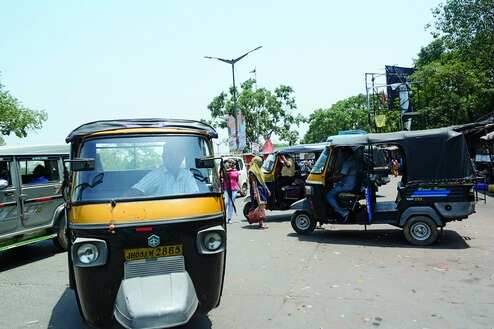
Maharashtra's ambitious pink e-rickshaw scheme, designed to enhance women's safety while creating employment opportunities, is facing significant hurdles in its implementation across the state. The government-backed initiative, which aims to deploy specially marked electric three-wheelers operated by women drivers, has stalled due to multiple operational and financial constraints that have delayed its citywide rollout.
The scheme was envisioned as a dual-benefit project—providing safe, women-centric transportation options for female passengers while simultaneously creating sustainable livelihoods for women drivers. However, state transport authorities and nodal agencies have struggled to coordinate funding allocations, secure vendor agreements, and establish the necessary support infrastructure required to launch the programme at the intended scale. Officials acknowledge that bureaucratic delays and unclear budget allocations have prevented timely procurement of vehicles and establishment of charging stations.
The implementation challenges stem from multiple factors. The state must navigate complex coordination between different departments responsible for vehicle registration, insurance, driver training, and charging infrastructure. Additionally, questions about subsidy mechanisms and the financial model for sustainability have not been fully resolved. Private vendors approached for partnership have raised concerns about profitability given the subsidised fare structure envisioned for the scheme.
For Mumbai and other urban centres in the Maharashtra region, this delay represents a setback in efforts to improve women's transportation security. Women commuters and safety advocates have long supported such initiatives, viewing them as practical steps to address harassment and assault on public transport. The delayed rollout affects potential beneficiaries—both women seeking safer travel options and women entrepreneurs looking for economic opportunities.
State officials have indicated they are revisiting the scheme's financial framework and vendor selection process. Transport department representatives have stated that revised timelines will be announced following inter-departmental consultations. The government remains committed to the project but acknowledges that rushing implementation without proper groundwork could compromise effectiveness.
The pink e-rickshaw scheme joins other state initiatives that have faced execution challenges, highlighting persistent gaps between policy conception and on-ground delivery in Maharashtra's urban development programmes.