Maharashtra forms panel to draft Uniform Civil Code legislation within two weeks
Maharashtra will establish a committee headed by a retired high court judge to draft a Uniform Civil Code within the next two weeks. The move aims to create a unified legal framework for personal matters like marriage and inheritance across the state.

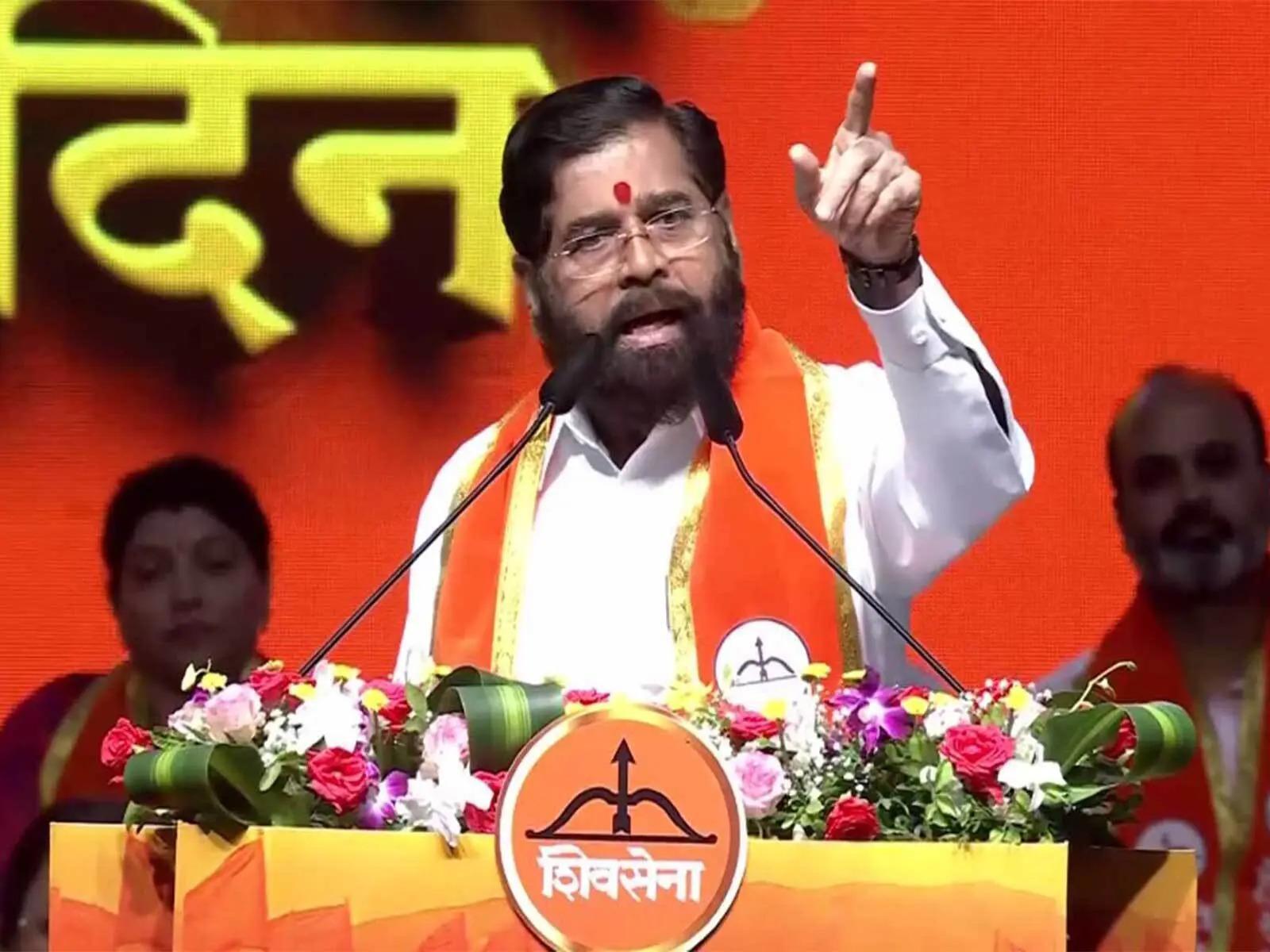
Maharashtra is moving forward with plans to implement a Uniform Civil Code, announcing the formation of a drafting committee that will be constituted within two weeks. A retired high court judge has been appointed to lead the panel responsible for preparing the legislation, marking a significant step in the state's push toward standardising personal law matters.
The decision represents Maharashtra's commitment to adopting a common legal framework that would apply uniformly across religious and community lines. The committee's primary responsibility will be to develop comprehensive draft legislation that addresses personal matters currently governed by different religious laws. The retired judge heading the panel will oversee the technical and legal aspects of the drafting process, ensuring the proposed code meets constitutional requirements and addresses the complexities involved in such sweeping reforms.
The Uniform Civil Code concept is not entirely new to India. Three states have already implemented versions of the UCC: Goa, Uttarakhand, and Assam. These existing frameworks provide valuable precedents and lessons that the Maharashtra committee can study while tailoring legislation suited to the state's diverse population and legal context. The UCC aims to consolidate and simplify laws governing marriage, divorce, inheritance, adoption, and succession, which are currently fragmented across multiple personal law systems.
Implementing a UCC in Maharashtra would have far-reaching implications for the state's residents. Citizens from different religious backgrounds would operate under the same legal provisions for personal matters, potentially reducing legal ambiguities and discrimination. However, the initiative is also likely to trigger debates around religious autonomy, cultural identity, and constitutional secularism. Various religious communities and civil society groups may present differing perspectives during the drafting phase.
The two-week timeline for committee formation is ambitious, suggesting the state government's priority on this agenda. Once constituted, the committee will need to balance multiple considerations—legal precedents, constitutional compliance, public opinion, and practical implementation challenges. The actual drafting process and subsequent legislative action will likely extend beyond the initial formation period, as such legislation typically requires extensive consultation and refinement before parliamentary approval.
Source: TOI India