Ancient ritual circle discovered beneath Scottish island using ground-scanning technology
Archaeologists have uncovered a 5,000-year-old ceremonial site on Scotland's Isle of Arran using non-invasive geophysical scanning. The discovery reveals a ring of 12 underground pits from the Neolithic or Bronze Age era.

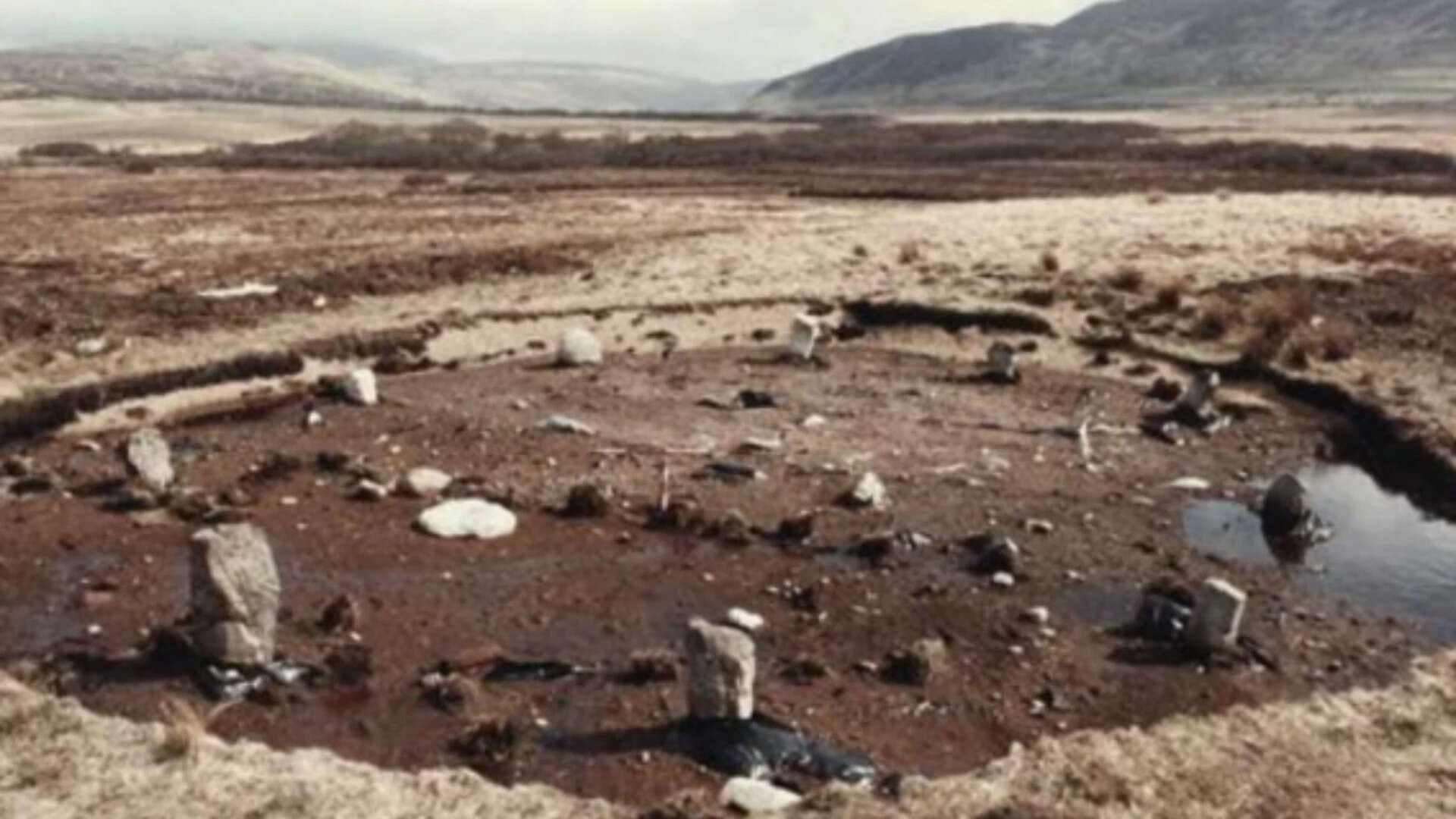
Researchers have made a significant archaeological discovery on Scotland's Isle of Arran, where advanced ground-scanning technology has revealed a 5,000-year-old ritual circle hidden beneath layers of peat. The site, located on Machrie Moor, consists of a ring of 12 underground pits that likely date back to either the Neolithic or Bronze Age period, marking an important addition to the island's ancient history.
The excavation was conducted without traditional digging methods. Instead, archaeologists employed innovative geophysical scanning techniques to map the subsurface features. This non-invasive approach allowed researchers to identify and study the underground pits while preserving the surrounding landscape. The circular arrangement of these pits suggests they held significant ritual or ceremonial importance to the ancient communities that inhabited the region thousands of years ago.
The discovery on Machrie Moor, which already possesses a rich archaeological heritage, indicates the presence of ancient ceremonial timber structures that may have stood at the site centuries ago. The arrangement and spacing of the pits suggest a carefully planned layout, possibly serving as post-holes for wooden structures used in religious ceremonies or seasonal gatherings. This pattern of organisation reveals insights into how prehistoric societies conducted their spiritual practices and communal activities.
The findings contribute substantially to understanding ancient Scottish settlements and their cultural practices. Machrie Moor has previously yielded other archaeological treasures, and this new discovery enriches the narrative of human habitation in the region during prehistory. The site demonstrates how communities during the Neolithic and Bronze Age periods invested considerable effort in creating permanent ceremonial spaces.
The use of geophysical scanning technology represents a modern advancement in archaeological methodology, enabling researchers to map and study ancient sites with greater precision and less environmental impact than conventional excavation methods. This approach opens possibilities for discovering additional hidden sites across Scotland and other regions where similar technology can be deployed to unearth buried heritage without disturbing the landscape. The discovery continues to highlight the technological sophistication of ancient civilisations and their profound spiritual beliefs.
Source: TOI India