Iran's Islamic Revolutionary Guard Corps Leader Re-emerges as Nation Mourns Supreme Leader
A senior commander of Iran's Islamic Revolutionary Guard Corps has reappeared publicly as the country enters a period of national mourning following the death of Supreme Leader Ayatollah Khamenei. The development marks a significant moment in Iran's political transition.

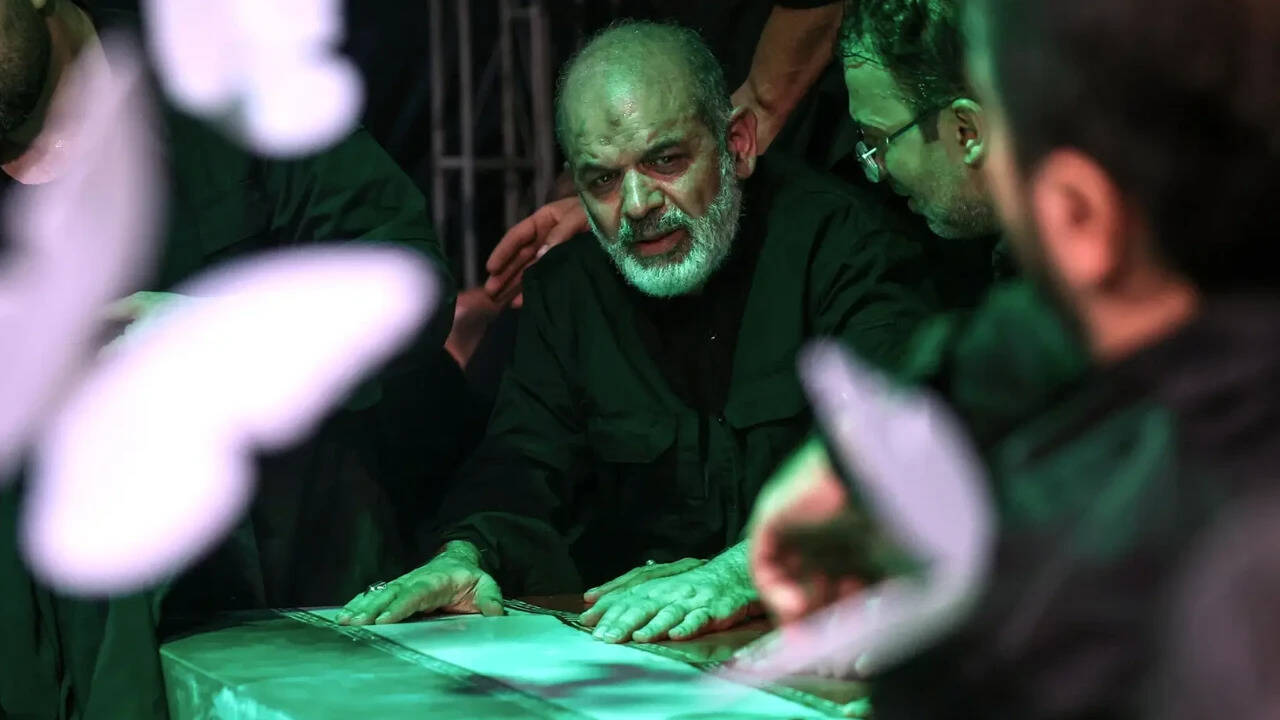
Iran's Islamic Revolutionary Guard Corps, one of the nation's most powerful military and security institutions, saw a prominent heavyweight resurface in the public eye on Thursday as the country began observing an extended period of mourning following the death of Supreme Leader Ayatollah Khamenei.
The reappearance of the high-ranking IRGC official signals potential shifts within Iran's military and security establishment during this critical period of national transition. The Guard Corps, which exercises considerable influence over Iran's political, military, and economic affairs, is expected to play a central role in maintaining stability as the country navigates the succession process and the accompanying state ceremonies.
Iranian authorities have declared a multi-day mourning period to honour Khamenei, who had led the nation since 1989. The coming days will see significant state functions, including funeral rites and official proceedings related to the transfer of power within Iran's theocratic system. During such transitional moments, the IRGC typically assumes heightened operational responsibility to ensure order and security across the country.
The emergence of this IRGC commander amid the mourning period underscores the guard corps' continued prominence in managing Iran's affairs during times of institutional change. The organization, which reports directly to the supreme leader and commands substantial military forces, is positioned to influence how the nation responds to this succession and the broader political implications that follow.
Observers of Iranian politics note that the IRGC's actions and public positioning during such transitions often reflect internal power dynamics within the country's leadership structure. The reappearance of this heavyweight suggests the guard corps is actively engaged in stewarding the nation through this period of uncertainty and organizational change.
As Iran progresses through its days of mourning, further developments regarding the country's leadership succession and the IRGC's role in that process are expected to emerge. The coming weeks will prove crucial in determining how smoothly the transition unfolds and what influence key military figures will exercise in Iran's political future.