Maharashtra tackles Rs 18,000 crore contractor payment backlog amid scrutiny
State legislators have raised concerns over pending payments worth Rs 18,000 crore owed to contractors. A minister assured lawmakers that disbursement is proceeding transparently, but the massive outstanding dues remain a pressing issue.

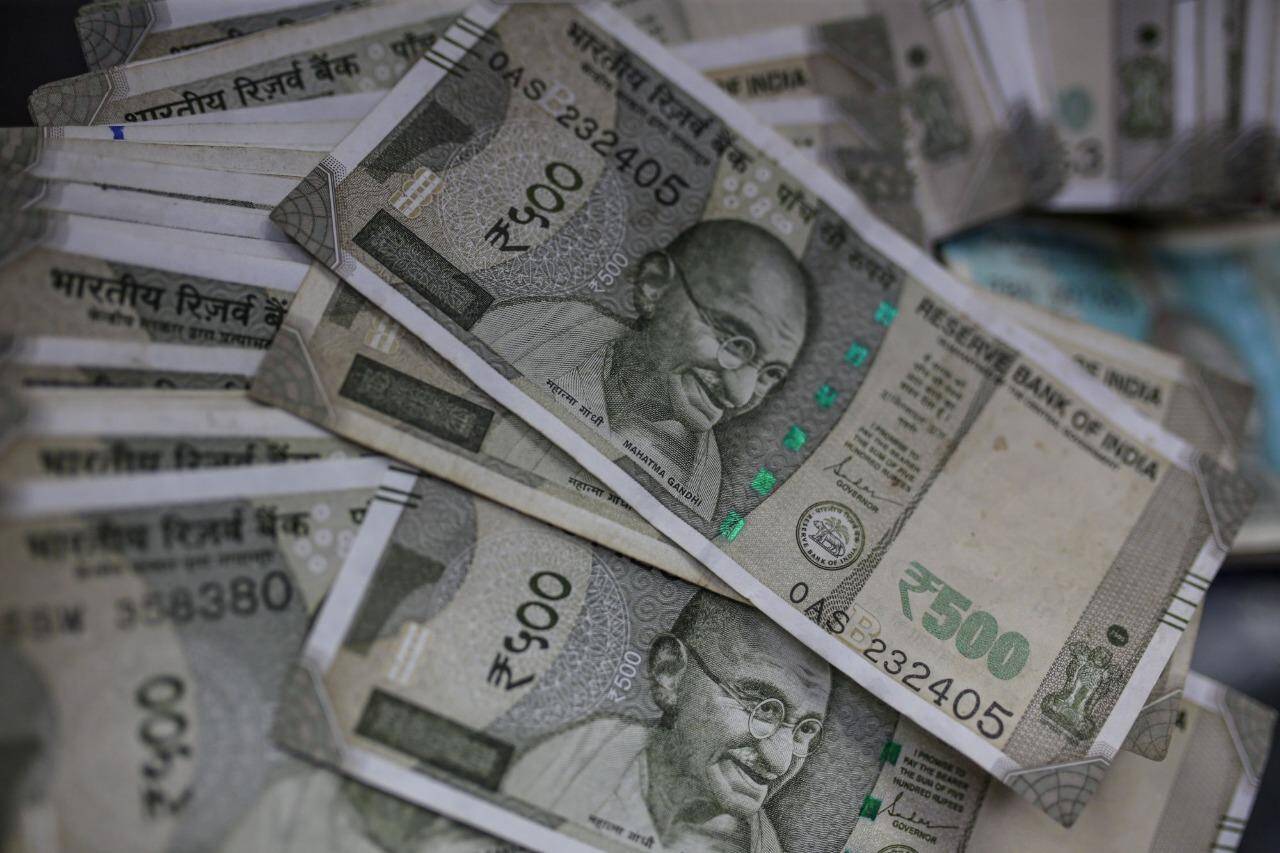
Maharashtra's government faces mounting pressure over Rs 18,000 crore in unpaid dues owed to contractors, with state legislators demanding clarity on the timeline and process for clearing the massive backlog.
During recent legislative proceedings, multiple lawmakers questioned state authorities about the stalled payments, citing the financial hardship faced by contractors and related businesses across Maharashtra. The outstanding amount represents a significant financial obligation that has accumulated over time, affecting construction projects, infrastructure development, and service providers who have completed work but remain unpaid.
Responding to the concerns raised in the legislature, a state minister provided assurances regarding the payment process. The minister stated that the government is actively disbursing these pending amounts and that all payments are being processed through transparent mechanisms. The emphasis on transparency suggests efforts to address earlier concerns about unclear payment procedures and delays that may have contributed to the backlog.
The Rs 18,000 crore dues carry substantial implications for Maharashtra's business ecosystem. Contractors and construction firms facing payment delays often struggle with cash flow, which can impact their ability to invest in new projects, pay employees, and maintain operations. Smaller contractors and suppliers dependent on these payments face particular hardship. Additionally, pending dues can slow infrastructure development and create bottlenecks in state-led projects.
The issue highlights the broader challenge many state governments face in managing public finances and honoring contractual commitments. While the minister's assurance of transparent disbursement provides some optimism, legislators and industry stakeholders will likely continue monitoring the pace of payments. The government faces pressure to demonstrate tangible progress in reducing the backlog within a defined timeframe.
Experts and business representatives have previously pointed out that clearing such large pending amounts requires systematic planning and adequate budget allocation. The state's ability to resolve this issue will likely depend on improving revenue generation, budget prioritization, and implementing efficient payment systems to prevent similar accumulation in the future.