Government Bans Chinese Apps Used to Disable E-Rickshaws Remotely
Indian authorities have ordered Google and Apple to remove three Chinese battery management applications that were allegedly used to remotely shut down e-rickshaws. The move raises serious concerns about driver safety and livelihoods on Indian streets.

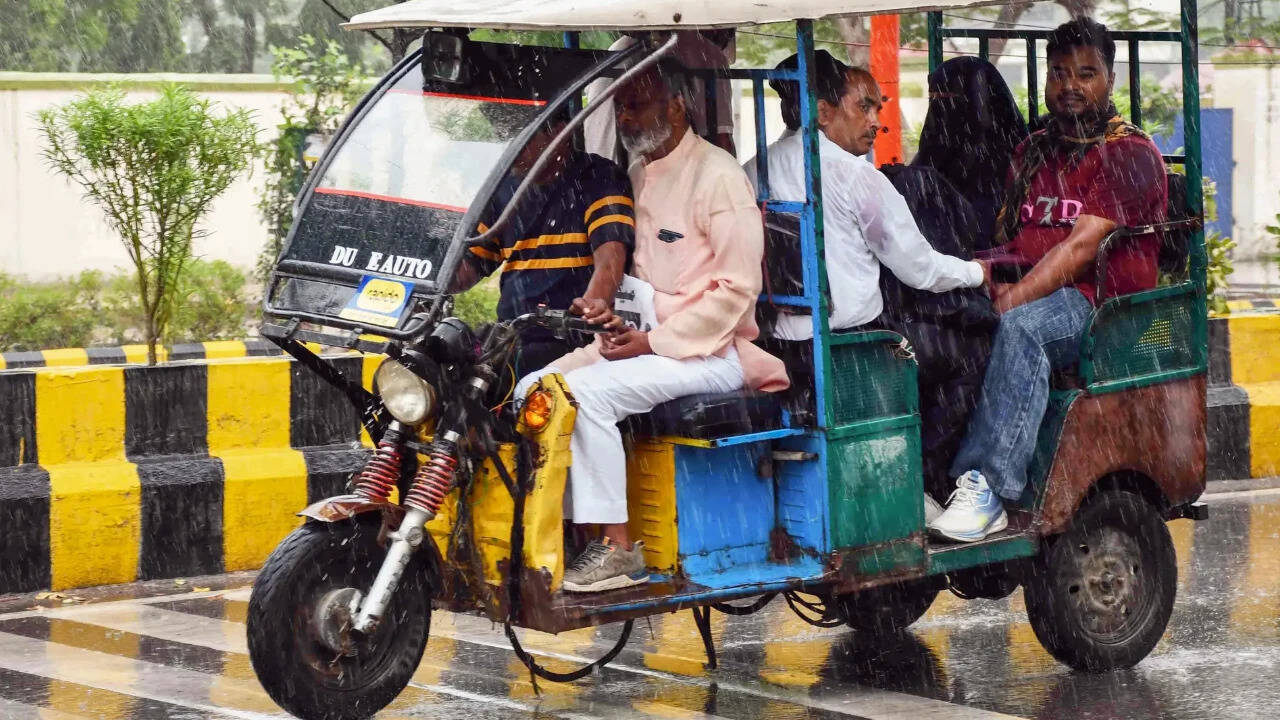
In a decisive action against foreign technology misuse, the Indian government has directed Google and Apple to remove three Chinese-developed battery management applications from their digital stores. The applications—BAT-BMS, Lossigy, and Epoch-i-ion—have been identified as tools used to remotely disable battery-operated e-rickshaws, jeopardising the safety and income of thousands of drivers across the country.
Authorities discovered that these apps enabled remote shutdown of electric vehicle batteries, creating a direct threat to the livelihoods of e-rickshaw operators who depend on their vehicles for daily income. The removal order marks a significant escalation from traditional cybersecurity concerns to direct interference with critical transportation infrastructure and working-class mobility in India.
The investigation reveals a troubling pattern where foreign applications designed ostensibly for battery management were being weaponised to remotely control and disable vehicles. This capability represents a new frontier in digital threats—moving beyond data theft to active disruption of essential economic activity. E-rickshaws have become a crucial last-mile transportation option in Indian cities, with thousands of drivers relying on these vehicles as their primary source of livelihood. The remote shutdown capability could strand drivers, damage business relationships, and create safety hazards on busy city roads.
For ordinary commuters and drivers, this development underscores vulnerabilities in the electric vehicle ecosystem. E-rickshaw operators, many from lower-income backgrounds, face potential losses if their vehicles are disabled without warning. The incident also highlights how battery management systems—critical infrastructure components—can be compromised through seemingly innocent applications.
The government's swift action in coordinating with major app platforms demonstrates a commitment to protecting India's digital and physical infrastructure. However, the case raises broader questions about the vetting of applications before they reach Indian users, particularly those handling critical vehicle functions. Authorities are likely to intensify scrutiny of foreign applications accessing sensitive device functions in the coming weeks.
This development is expected to prompt further investigation into similar applications and their usage patterns, with stricter guidelines potentially coming for battery management and vehicle control software.