Centre Pulls Two Apps After E-Rickshaw Remote Shutdown Incidents
Government removes battery management apps used to remotely disable e-rickshaws across India.

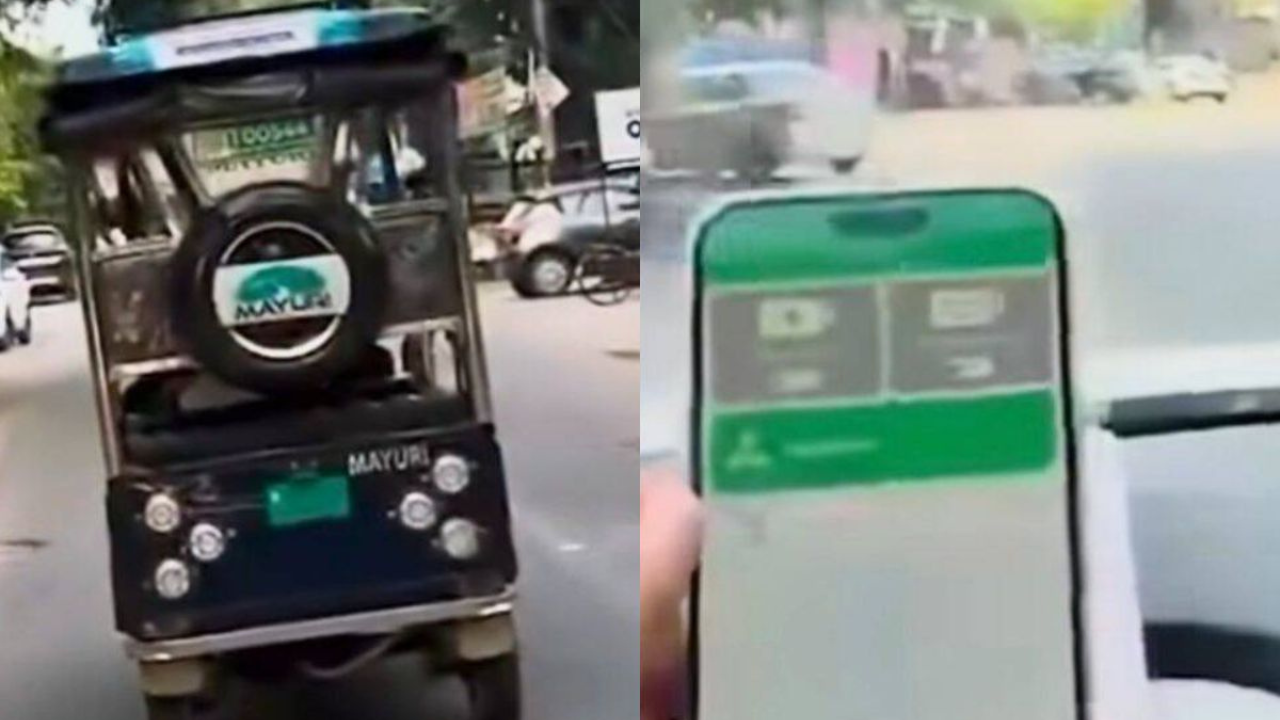
The central government has taken action against two mobile applications that were exploited to remotely shut down e-rickshaws across the country. Among the removed apps is the Chinese-developed BAT-BMS software, which connects to battery systems through Bluetooth connectivity. The decision comes after multiple reports surfaced of vehicles being disabled without the operators' knowledge or consent.
The compromised applications were originally designed for battery management and monitoring purposes. However, cybersecurity vulnerabilities in these tools allowed malicious actors to gain unauthorized access to e-rickshaw power systems through unsecured Bluetooth connections. This created significant security and safety concerns for thousands of drivers who rely on these vehicles for their livelihood.
The incident highlights growing cybersecurity risks in the electric vehicle ecosystem, particularly for informal transport operators in Indian cities. E-rickshaws have become a crucial part of urban mobility, with hundreds of thousands operating in metros like Mumbai, Delhi, and Bangalore. The vulnerability exposed in these apps demonstrates the urgent need for better security standards in IoT-enabled devices.
Authorities have directed major app distribution platforms to implement stricter vetting procedures for applications with device connectivity features. The government has emphasized that app stores must conduct thorough security audits before approving software that interfaces with critical vehicle systems. This move aims to protect millions of users from potential cyber threats and sabotage.
The removal of these applications is expected to push developers toward adopting stronger encryption protocols and security frameworks. Industry experts warn that without proper regulation, more such vulnerabilities could emerge in the rapidly expanding EV segment, especially affecting low-income drivers who lack the resources to upgrade their systems quickly.
Source: Times of India