122-Year-Old Chor Bazaar Antique Shop Preserves Mumbai's Heritage Legacy
A family-run antique business in Chor Bazaar has survived over a century of Mumbai's transformation. The shop keeper shares how tradition and passion keep this slice of the city's history alive.

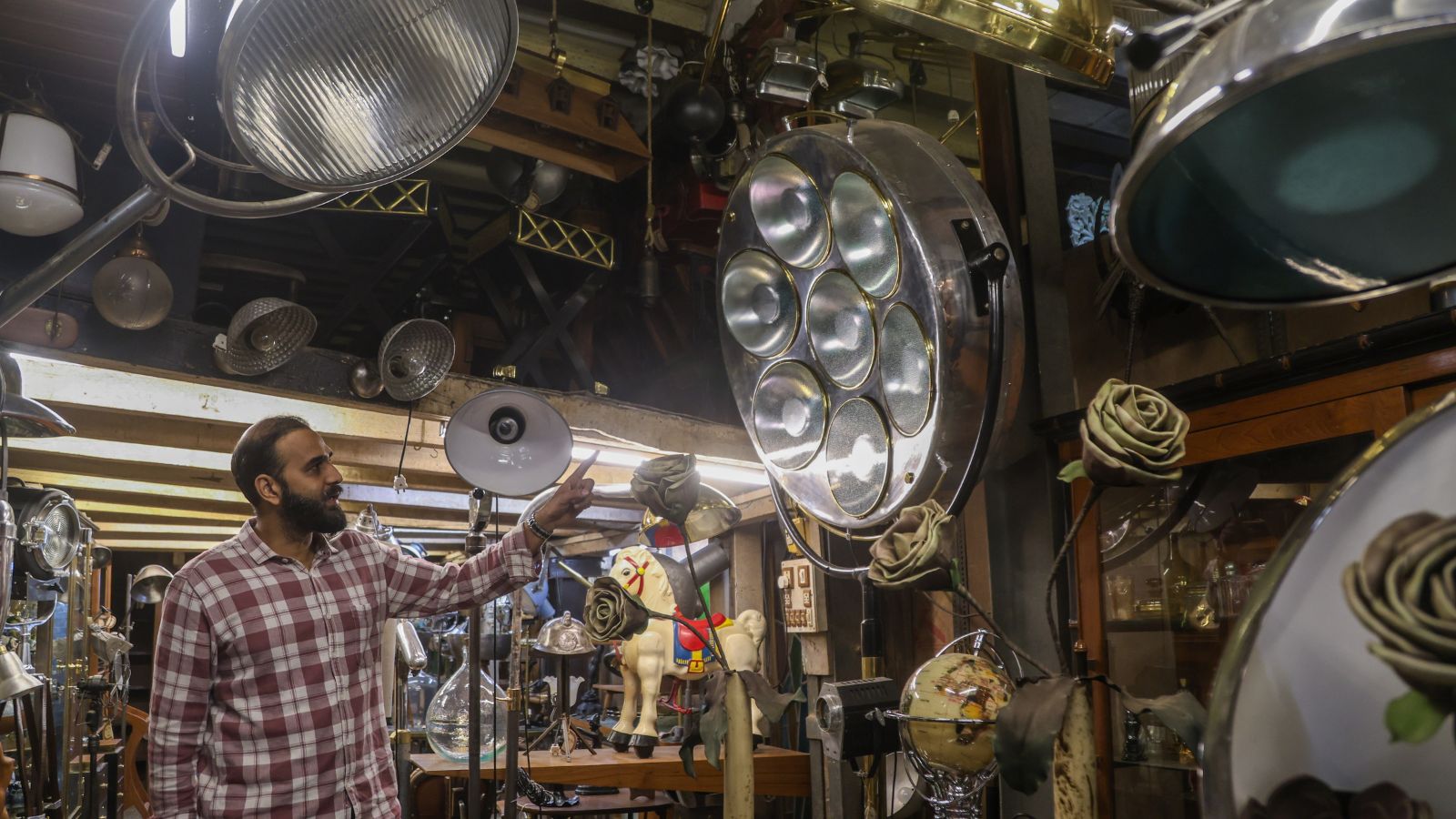
A family-owned antique store in Chor Bazaar has been safeguarding Mumbai's historical treasures for 122 years, standing as a living testament to the city's rich cultural heritage. The shop, which has witnessed Mumbai's evolution from a colonial trading post to a modern metropolis, continues to draw collectors, historians, and curious locals seeking authentic pieces of the past.
The business, now run by successive generations of the same family, specialises in rare antiques ranging from vintage furniture and ornamental pieces to historical artefacts and memorabilia. The current caretaker of this heritage shop inherited not just a commercial establishment but a responsibility to preserve fragments of Mumbai's bygone era. Through decades of economic shifts, changing consumer preferences, and urban modernisation, the family has maintained its commitment to authenticity and quality.
Chor Bazaar, one of Mumbai's oldest markets located in South Mumbai, has long been synonymous with second-hand goods and antiques. The neighbourhood itself carries layers of history, with its winding lanes and densely packed shops forming an integral part of the city's commercial landscape. This particular family business has been part of that landscape since its establishment over a century ago, weathering wars, independence, partition, and industrialisation.
The antique shop serves multiple purposes in today's Mumbai. For heritage enthusiasts and museum curators, it functions as a resource centre for sourcing historical pieces. For elderly residents, it represents nostalgia and memories of their younger years. For younger generations discovering their city's past, it offers tangible connections to history. The business also attracts tourists and international collectors interested in Indian and colonial-era memorabilia.
Running an antique business in modern Mumbai presents unique challenges. Real estate pressures in South Mumbai continue to rise, while younger family members increasingly pursue other careers. Competition from online marketplaces and auction houses has changed how collectors access antiques. Despite these headwinds, the family remains dedicated to keeping their shop operational, viewing it as more than just a commercial venture but as a cultural institution.
The shop's survival reflects broader questions about how Mumbai preserves its heritage amid rapid development. As the city continues expanding and modernising, spaces like Chor Bazaar's antique stores serve as anchors connecting residents to their past. The family's determination to maintain this 122-year-old business suggests that some Mumbaikars still value the tangible links to their city's history, even as digital alternatives proliferate.