India's first undersea rail tunnel under construction for Mumbai-Ahmedabad bullet train
A massive tunnel boring machine has started excavating a 21-kilometre underground corridor for India's bullet train project. The work includes digging the nation's first 7-kilometre undersea tunnel beneath Thane Creek, marking a major engineering milestone.

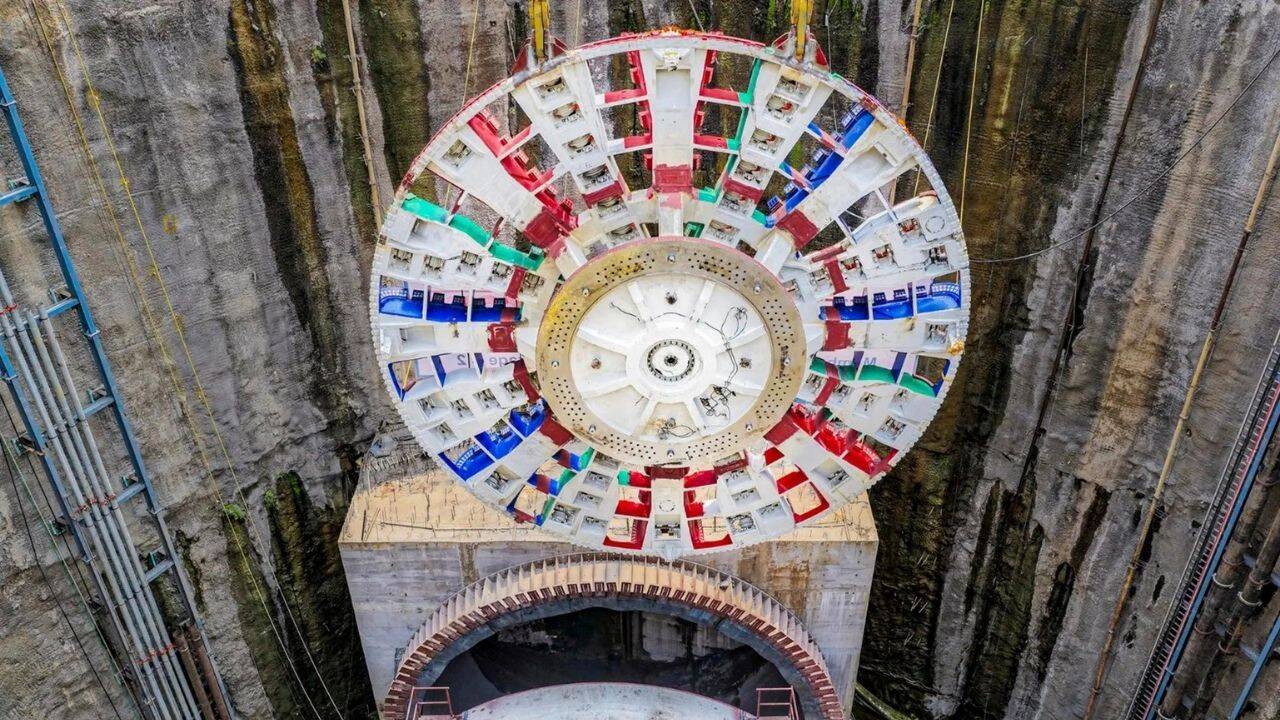
India's ambitious bullet train project took a significant step forward this week as construction crews deployed a colossal tunnel boring machine to begin excavating a critical underground section connecting Mumbai to Ahmedabad. The mega-machine has started work on a 21-kilometre tunnel corridor, which includes what will be India's first underwater rail tunnel stretching seven kilometres beneath Thane Creek.
The Mumbai-Ahmedabad High-Speed Rail corridor represents one of India's most technically demanding infrastructure projects to date. The undersea tunnel component, in particular, presents unprecedented engineering challenges for the country, as Indian Railways has never previously constructed a tunnel of this type. The tunnel boring machine, an advanced piece of equipment specifically designed for this project, will work continuously to carve out the underground passage that will eventually carry high-speed trains between the two cities.
The 21-kilometre tunnel is part of the broader rail corridor being built to connect Mumbai with Ahmedabad at speeds exceeding 300 kilometres per hour. By routing a significant portion of the route underground, particularly beneath Thane Creek, the project aims to minimize disruption to existing urban infrastructure and reduce environmental impact in densely populated areas. The underwater section beneath Thane Creek was identified as the most technically challenging portion of the entire corridor, requiring specialised machinery and expert planning.
This development impacts not only commuters who will eventually use the bullet train but also the broader Mumbai Metropolitan Region, where surface-level construction disruptions have been a persistent concern. The underground tunnel approach demonstrates the project's commitment to balancing rapid transit infrastructure development with minimal disturbance to existing communities. The accelerated excavation work through advanced machinery is expected to significantly speed up the project's completion timeline.
Engineers and project officials have indicated that this phase of construction represents a turning point for the Mumbai-Ahmedabad High-Speed Rail initiative. The successful deployment of tunnel boring technology signals that India's railway sector is advancing its technical capabilities to match international standards. As work progresses on this undersea tunnel, authorities will continue monitoring the construction to ensure safety standards and project milestones are met throughout the excavation process.