Researchers Convert Plastic Waste Into High-Quality Graphite for EV Batteries
Scientists have developed a breakthrough method to transform discarded plastic bottles into battery-grade graphite, a critical material for electric vehicle batteries. The innovation could reduce electronic waste while supporting India's EV expansion goals.

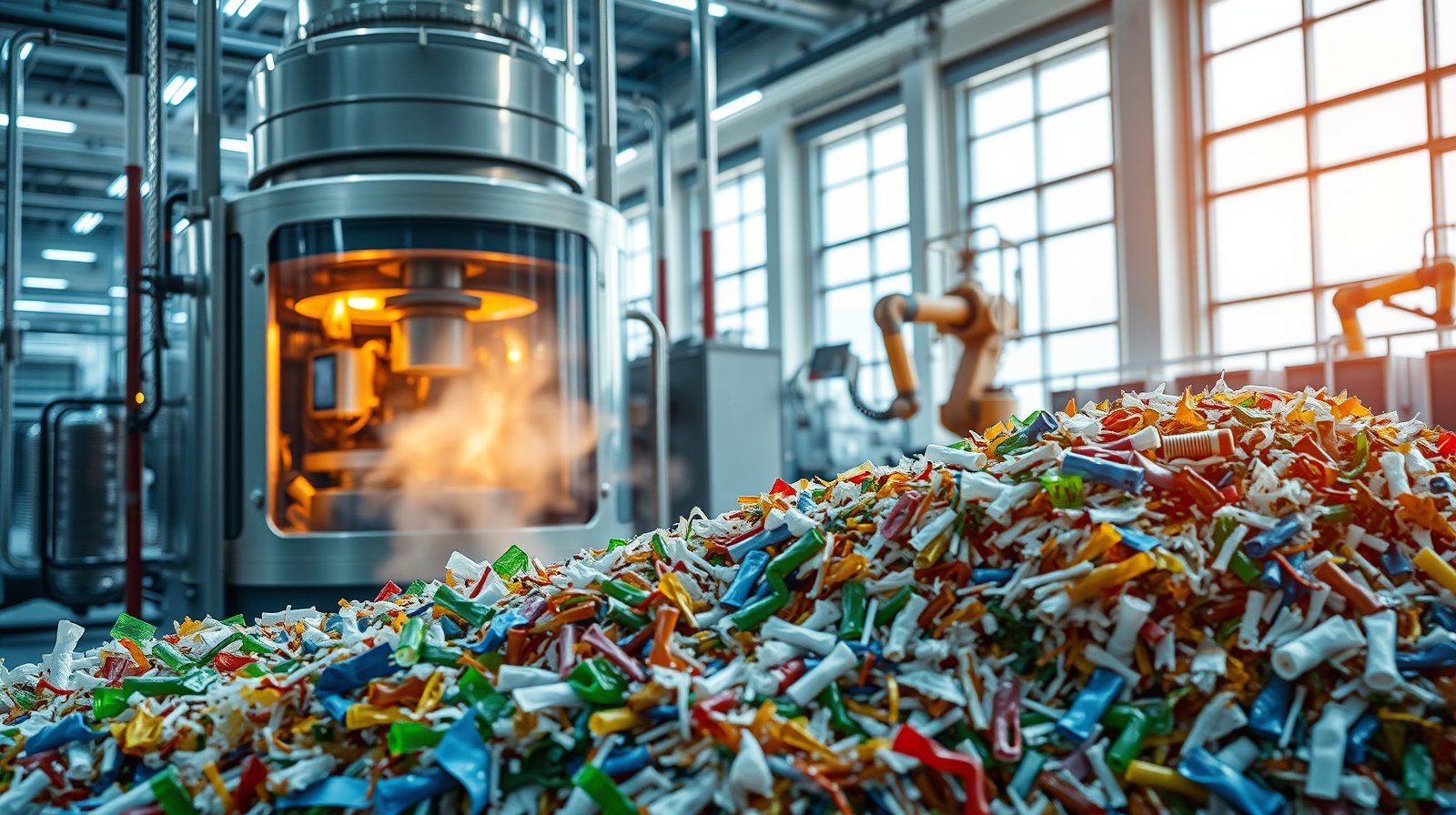
In a significant advancement for sustainable battery production, scientists have successfully developed a process to convert waste plastic bottles into high-quality graphite suitable for electric vehicle batteries. The breakthrough addresses two major environmental challenges simultaneously—plastic waste management and the growing demand for raw materials in the electric vehicle sector.
The research team achieved this transformation through a specialized chemical conversion method that extracts carbon from discarded plastic bottles and restructures it into battery-grade graphite. This material meets the stringent quality standards required for lithium-ion battery production, which powers most modern electric vehicles. The process represents a major step forward in circular economy practices, where industrial waste becomes a valuable resource rather than ending up in landfills or incinerators.
Graphite is an essential component in battery anodes, and India currently relies heavily on imported supplies from countries like China and Brazil. The development of a domestic method to produce battery-grade graphite from recycled plastic could significantly reduce India's dependence on foreign imports while creating new revenue streams from waste materials. This innovation aligns with India's broader sustainability objectives and the government's push to establish local battery manufacturing capacity.
The implications for Mumbai and the broader Mumbai Metropolitan Region are substantial. As electric vehicle adoption accelerates across India, local manufacturing of battery components could attract investment in industrial facilities and create employment opportunities in the renewable energy sector. The process also reduces the pressure on municipal waste management systems, which currently struggle with accumulating plastic waste throughout the region.
Experts believe this technology could be scaled up for commercial production, though significant investment in infrastructure and research will be necessary. The scientific breakthrough opens pathways for additional innovations in battery material recycling and waste-to-resource conversion, potentially revolutionizing how India approaches both environmental sustainability and clean energy transition.