Ancient Wooden Monument May Have Been Built to Extend Summer, Study Suggests
Archaeologists studying Seahenge, a 4,000-year-old timber structure on England's Norfolk coast, believe it was constructed as a ritual effort to prolong summer and combat harsh winters. The discovery challenges traditional theories about the monument's purpose.

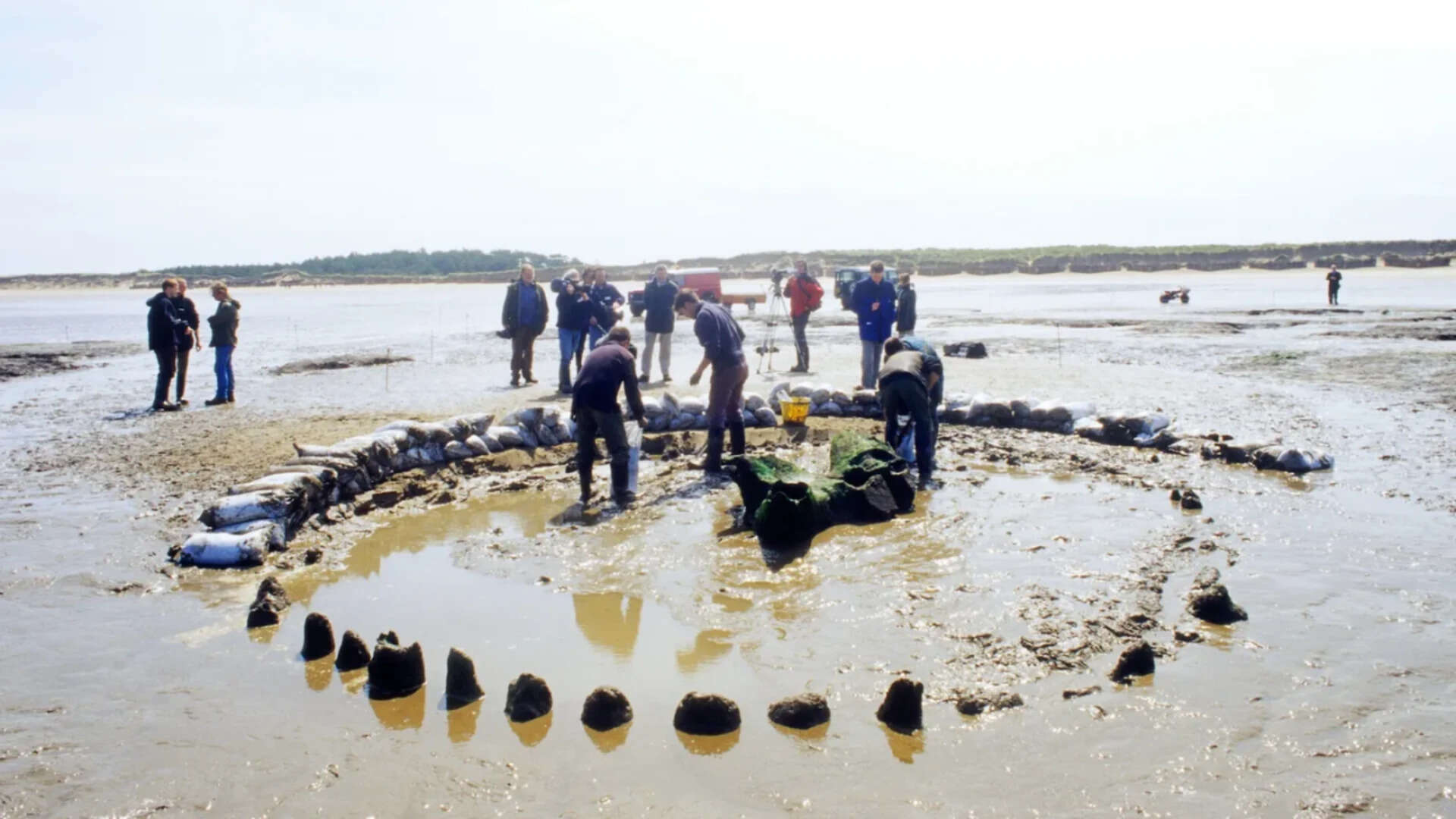
A groundbreaking archaeological study has revealed a compelling new theory about the purpose of Seahenge, a 4,000-year-old wooden monument situated on the Norfolk coast in England. Researchers now believe the ancient timber circle was deliberately constructed as a ritualistic structure intended to extend the summer season and ward off freezing cold weather conditions that plagued prehistoric communities.
Archaeologist David Nance, who led the research, proposes that Seahenge and a related structure nearby were created with the specific goal of prolonging warmer months and restoring heat to the region. Rather than serving solely as a burial ground—the long-accepted interpretation—Nance's theory integrates climate evidence with ancient mythological practices to offer a fresh perspective on why prehistoric peoples invested enormous effort into building this monument.
The research combines scientific analysis of historical climate patterns with archaeological evidence and interpretations of ancient belief systems. During the period when Seahenge was constructed, the region experienced unpredictable and severe weather patterns. Communities living in this harsh environment would have been deeply concerned with ensuring survival through brutal winters. Nance's theory suggests that the monument functioned as a symbolic or ritual response to these environmental challenges, with communities believing that constructing the timber circle could influence seasonal patterns and climate conditions.
This discovery fundamentally reshapes scholarly understanding of Seahenge beyond the traditional burial monument narrative. The new interpretation reveals how ancient peoples developed sophisticated responses to environmental stress, embedding their concerns about climate and survival into monumental architecture and religious practice. The theory demonstrates that prehistoric communities possessed complex theological systems and were deeply attuned to seasonal and climatic variations.
The findings open new avenues for archaeological research into similar ancient monuments across Europe and beyond. Scholars are now reconsidering whether other prehistoric timber circles and stone monuments were similarly constructed in response to climate pressures and seasonal anxieties. This research underscores how environmental challenges shaped the spiritual and material culture of ancient societies, and how communities mobilized collective effort and belief systems to address existential environmental threats.
Source: TOI India