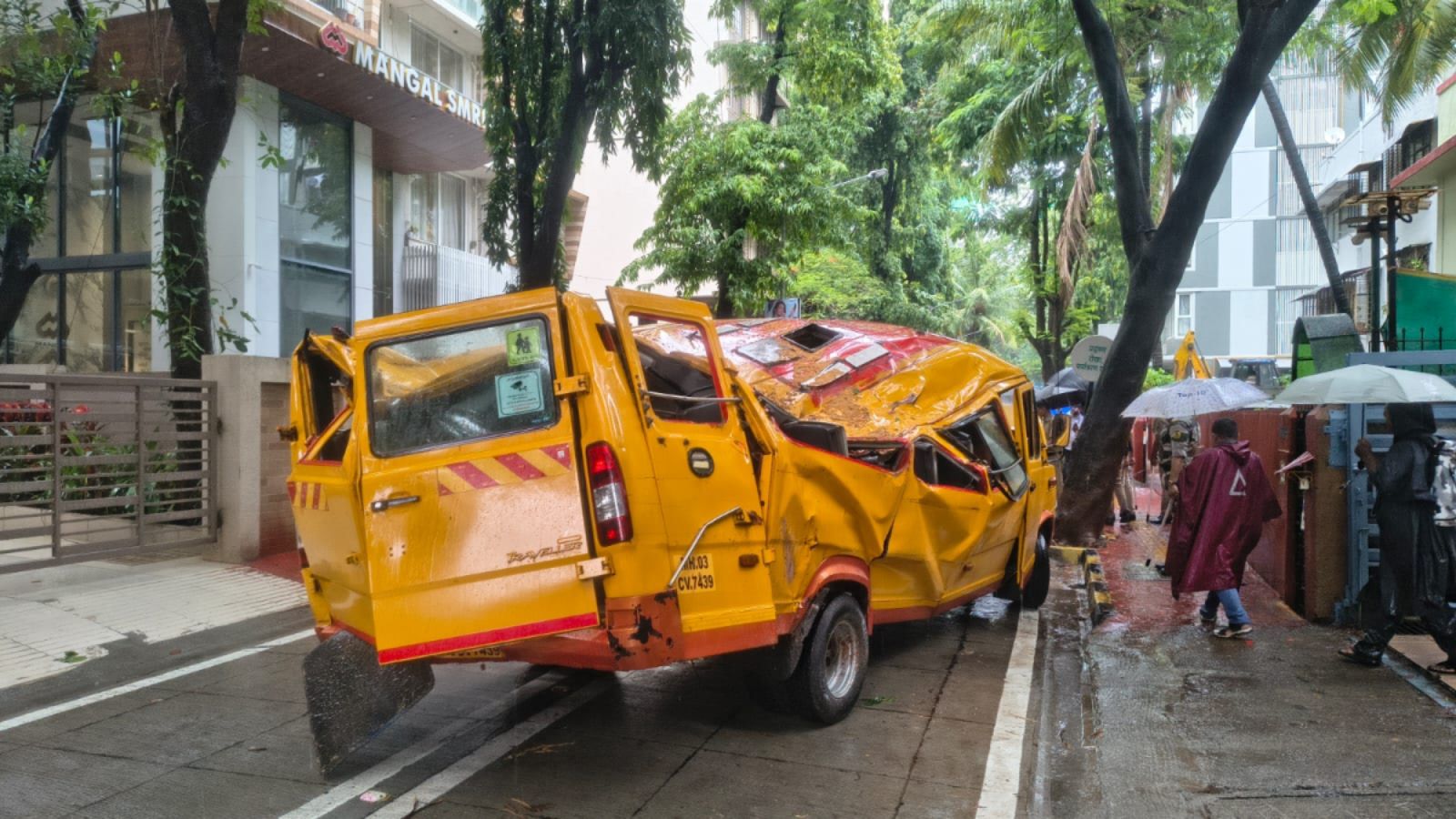
MLC demands scientific system to track and prevent tree falls across Mumbai
A Maharashtra Legislative Council member has raised concerns over recurring tree collapses in the city and called for a data-driven monitoring approach. The demand comes as Mumbai faces growing risks from falling trees during monsoon season.

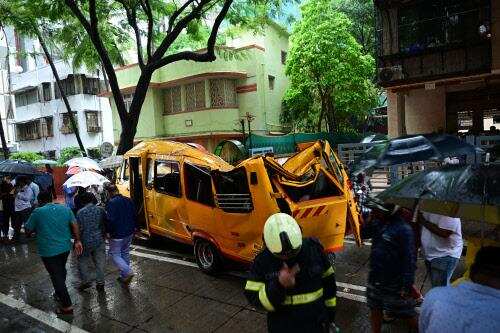
A Maharashtra Legislative Council (MLC) member has highlighted the persistent danger of tree falls across Mumbai and advocated for implementing a scientific monitoring system to track the city's green cover more effectively.
The MLC expressed concern during legislative proceedings that Mumbai continues to experience preventable tree collapses that endanger residents and disrupt daily life. Rather than reactive measures after incidents occur, the legislator pushed for proactive monitoring mechanisms that would identify vulnerable trees before they fall. This approach, the MLC argued, would require data collection, regular health assessments, and predictive analysis of tree stability across different city zones.
The demand reflects a broader challenge facing the Brihanmumbai Municipal Corporation (BMC) and civic authorities. Each monsoon season brings fresh incidents of tree falls, from minor branch breakage to major collapses that damage vehicles, properties, and occasionally cause injuries. Currently, the city relies largely on complaint-based responses and periodic inspections rather than systematic scientific monitoring. The MLC's proposal seeks to shift Mumbai toward preventive forestry management using technology and data analytics.
Implementing such a system would involve mapping all trees in the city, assessing their structural integrity through techniques like sonic tomography or resistograph testing, identifying species prone to failure in local soil and weather conditions, and creating a priority list for pruning or removal. This scientific approach has been adopted successfully in several global cities and some Indian metropolitan areas, leading to significant reductions in tree-related accidents.
The impact of unplanned tree falls extends beyond safety. They disrupt traffic on major roads, damage electricity lines and water pipelines, and impose unexpected costs on the municipal administration for cleanup and repairs. Moreover, losing trees without replacement diminishes Mumbai's already limited green cover, affecting air quality and urban heat management.
Civic officials are expected to respond to the MLC's demand with feasibility studies and budget assessments. Experts suggest that while initial investment in scientific monitoring would be substantial, long-term savings from preventing damage and reducing reactive emergency responses could justify the expenditure. The proposal aligns with growing calls for modernizing Mumbai's urban infrastructure management.