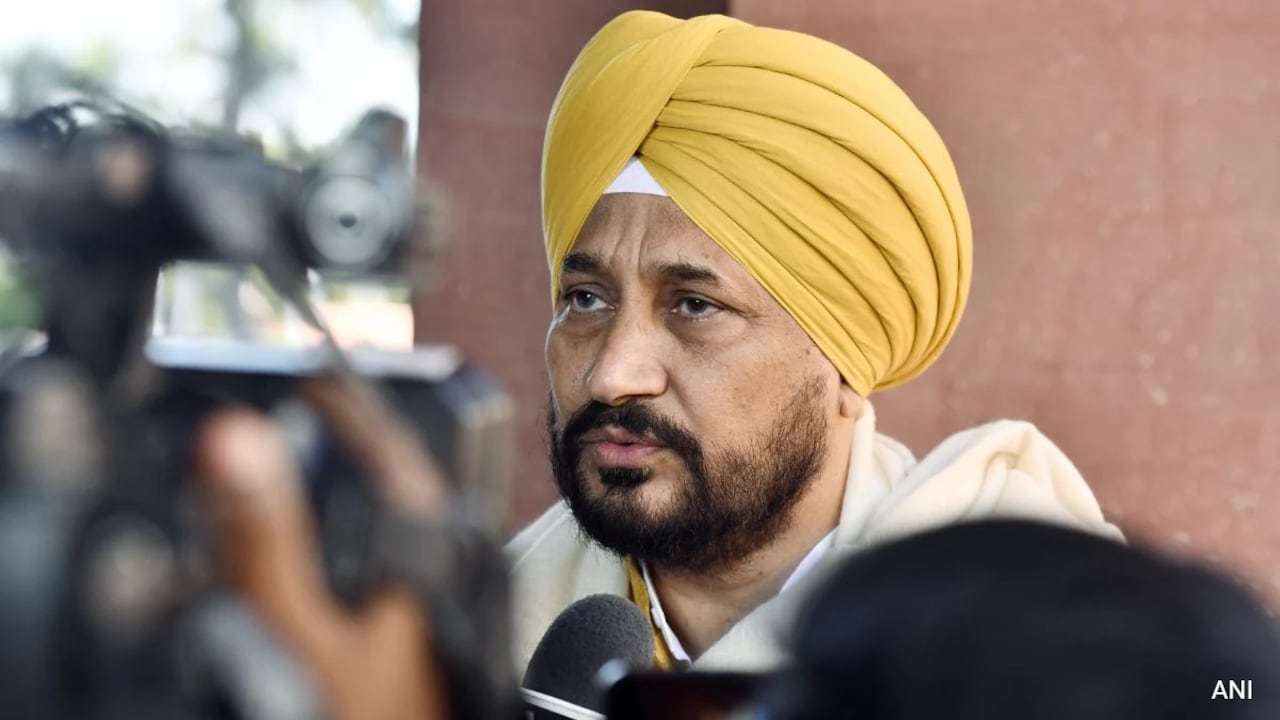
Congress Party's Reliance On Committees Raises Questions About Governance
Political analysts question Congress party's strategy of forming committees to address internal and external challenges.

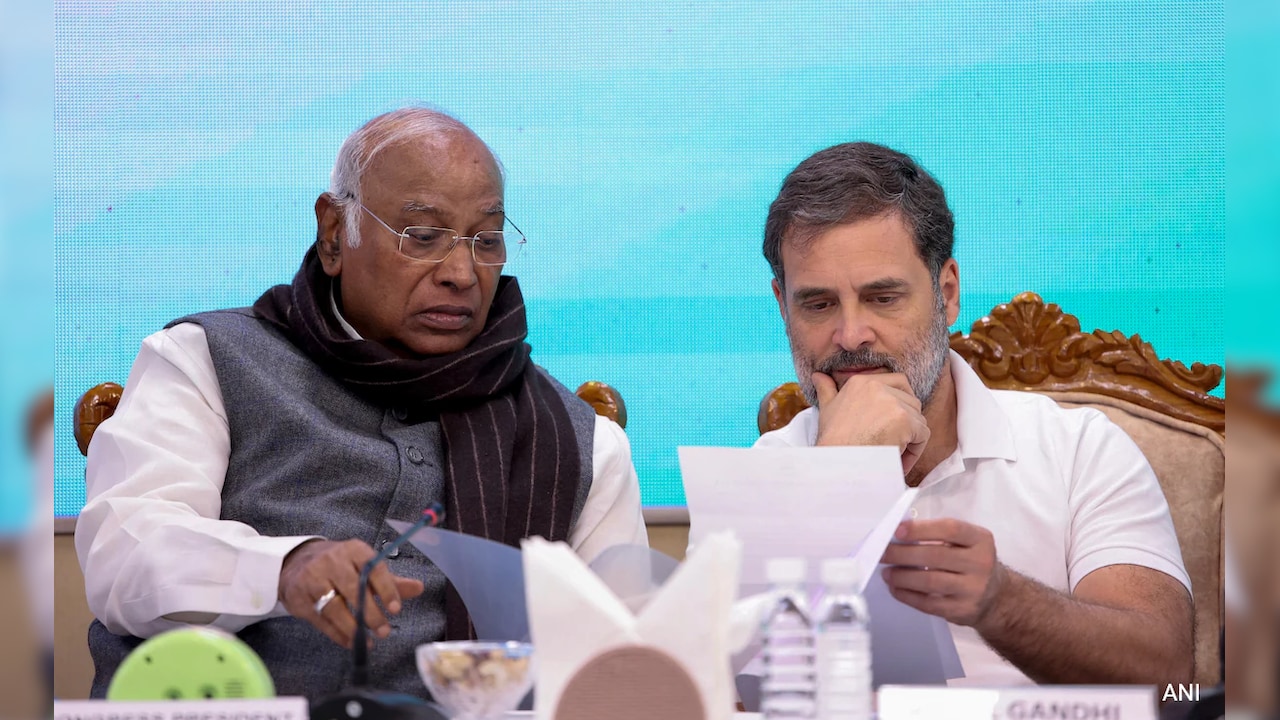
The Indian National Congress has come under scrutiny for its tendency to establish committees whenever facing political or organizational challenges, a pattern that raises concerns about the party's decision-making effectiveness.
Critics argue that the party's approach of creating committees often serves as a delaying tactic rather than a concrete solution to pressing issues. Whether these bodies produce meaningful outcomes or meaningful reform remains a persistent question among political observers and party members alike.
This structural approach reflects broader challenges within the Congress organization, which has struggled to maintain relevance and cohesion in Indian politics. The frequent reliance on committees may indicate difficulty in implementing swift and decisive leadership across party ranks.
Political analysts suggest that while committees can serve legitimate consultative purposes, their overuse without corresponding action can erode party credibility and member confidence. The Congress faces mounting pressure to demonstrate that its administrative mechanisms translate into tangible results for party workers and the general public.
As the party continues navigating a competitive political landscape, observers believe a more action-oriented approach paired with transparent implementation of committee recommendations would strengthen its organizational standing and public perception moving forward.