Mumbai's Monsoon Arrives With Deaths, Floods, and Transit Chaos
Heavy rains hit Mumbai this week, killing a child and a man in separate incidents while flooding roads and delaying local trains. The downpour has exposed critical gaps in the city's monsoon readiness.

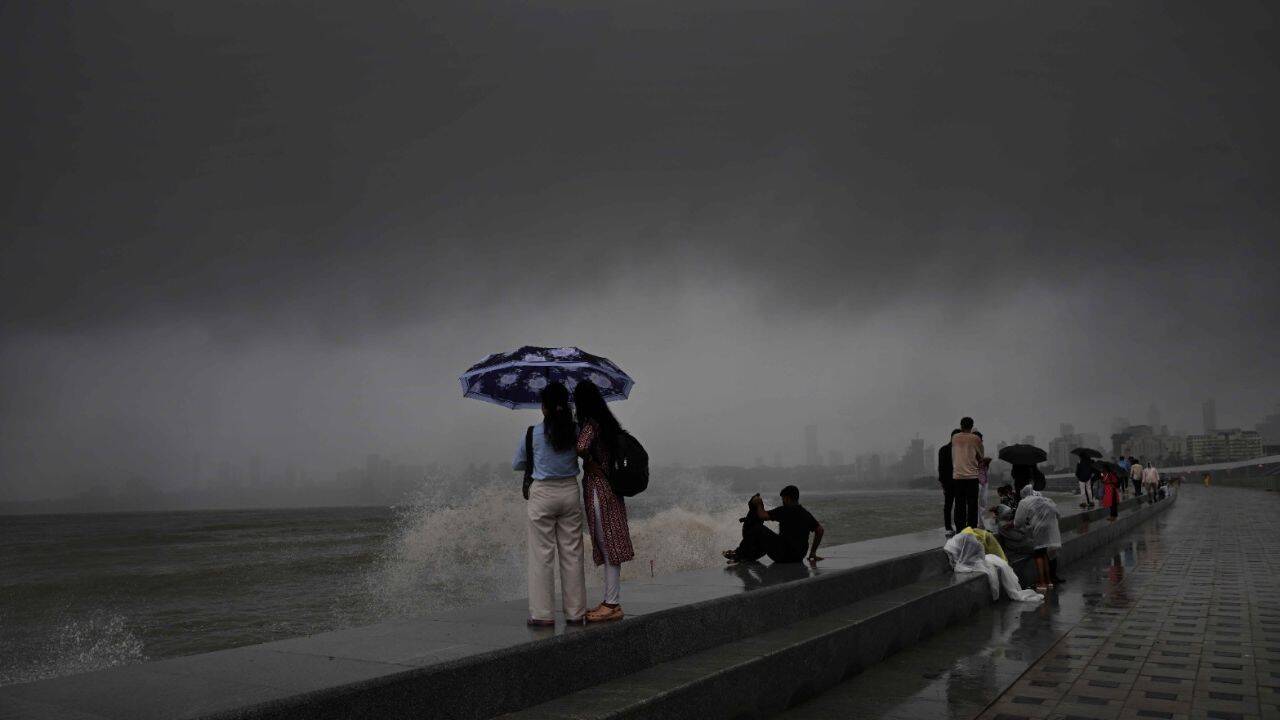
Mumbai's monsoon season has begun with devastating consequences, as the first major rainfall of the year exposed serious gaps in civic preparedness across the financial capital. The heavy downpour, which lashed the city in recent days, triggered a series of tragic incidents and widespread disruptions that have left residents questioning the municipal authorities' readiness to handle the seasonal challenge.
The most heartbreaking toll came as a young boy lost his life when a tree collapsed in the rain, while a separate incident claimed another fatality when a man drowned after falling into an open manhole. These preventable deaths underscore the dangers posed by inadequate infrastructure maintenance and poor civic oversight. The incidents have reignited public anger over the city's failure to address known vulnerabilities ahead of every monsoon season.
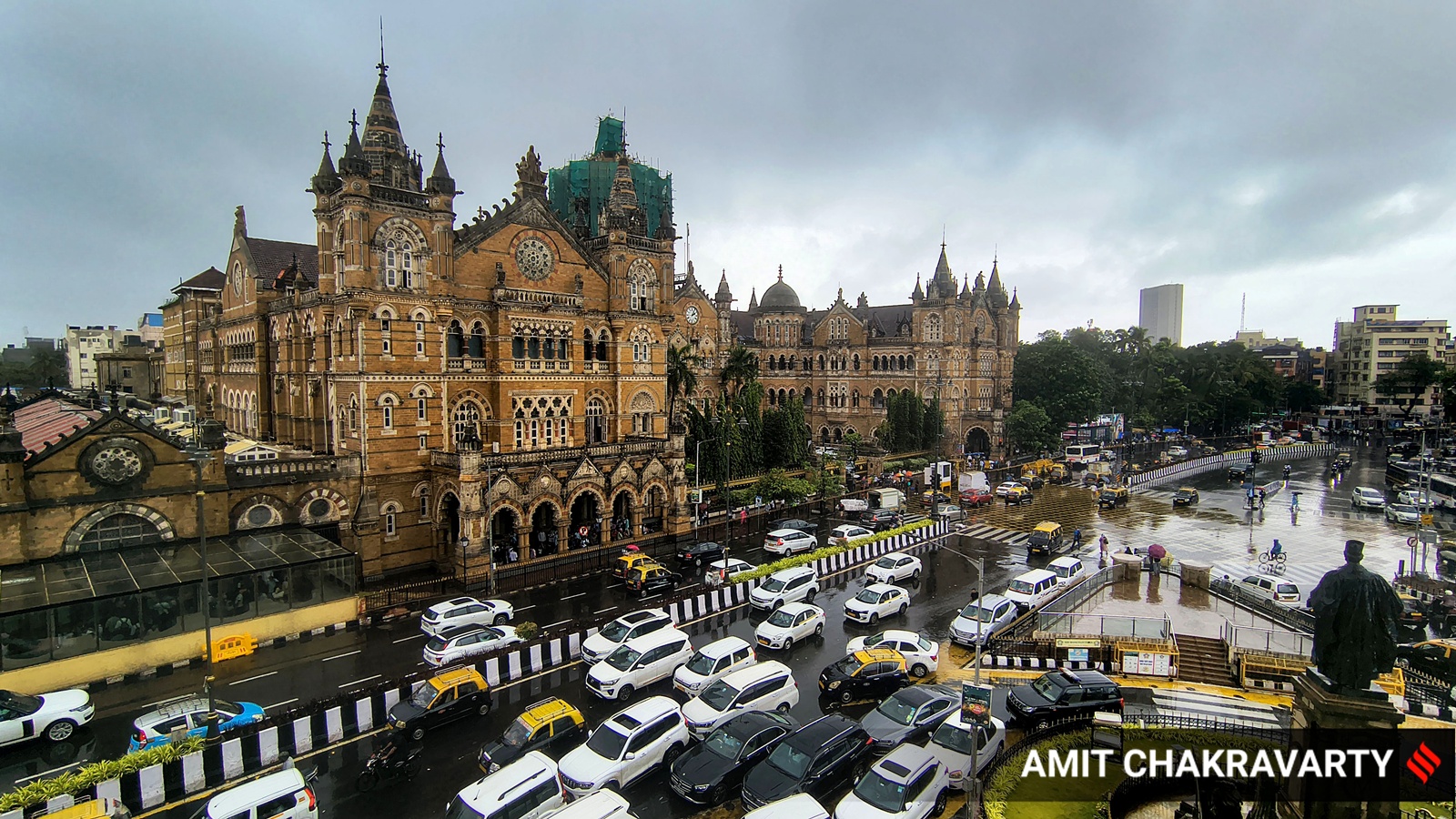
Beyond the loss of life, the heavy rains created chaos across Mumbai's transport networks and daily life. Commuters reported significant delays on local train services—the lifeblood of the city's transit system—while photographs and videos flooding social media showed roads submerged under water in multiple neighborhoods. The traffic snarls and waterlogging painted a familiar picture that repeats itself year after year, as the Brihanmumbai Municipal Corporation (BMC) struggles to deliver on its promise to improve drainage systems and conduct timely tree maintenance.
The monsoon's impact has been particularly acute for ordinary Mumbaikars who depend on reliable commute systems. While office-goers sipping coffee from their balconies may view the rains romantically, for thousands of daily wage workers, informal sector employees, and middle-class commuters, the flooding represents lost income, missed work, and dangerous travel conditions. Small businesses in flood-prone areas face inventory losses and operational shutdowns that can span weeks.
Municipal officials have announced routine measures, though residents express skepticism given the repetitive nature of these failures. The BMC has faced persistent criticism for not completing drainage de-silting work before monsoon onset, failing to trim hazardous trees, and neglecting maintenance of critical infrastructure. As monsoon season typically peaks from June through September, Mumbai's residents brace for four months of similar disruptions unless urgent corrective action is taken immediately.