Delhi's aggressive EV policy may create challenges for automakers if other states follow
Delhi's new electric vehicle roadmap promises Rs 70 billion in incentives but could strain manufacturers. A Morgan Stanley report warns that if other Indian states adopt similar policies, the auto industry faces significant disruption, especially in two-wheelers.

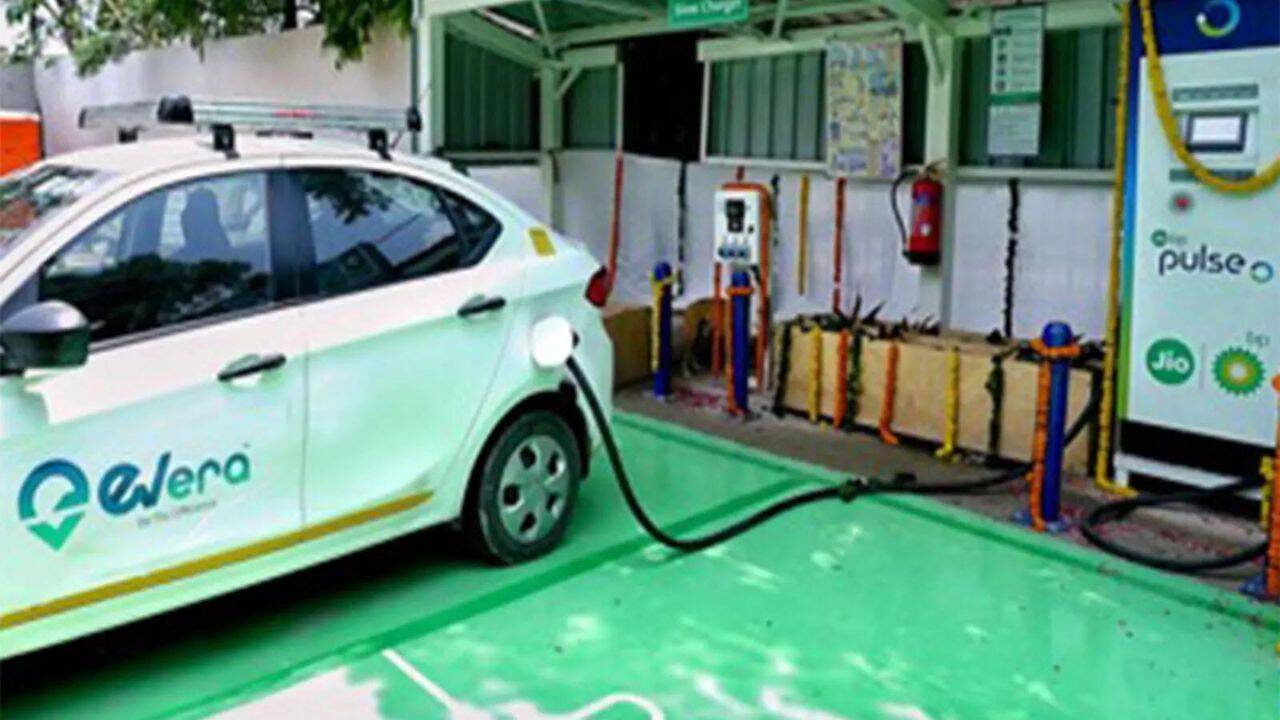
Delhi's recently unveiled EV Policy 2026 sets an ambitious timeline for phasing out conventional fuel vehicles, potentially triggering a ripple effect across India's automotive sector if adopted by other states, according to financial analysts.
The capital's new policy mandates the complete elimination of petrol and CNG two-wheelers by April 2028 and makes electric three-wheelers mandatory from 2027 onwards. The government has allocated Rs 70 billion in direct incentives to support this transition and plans to establish over 30,000 charging infrastructure points across the city. These aggressive targets reflect Delhi's commitment to reducing vehicular emissions and meeting climate goals.
However, a Morgan Stanley report has flagged serious concerns about the broader implications of such policies. If other Indian states mirror Delhi's approach, automakers—particularly those dependent on the two-wheeler segment—could face substantial operational and financial challenges. The two-wheeler industry represents a significant portion of India's automotive market, and simultaneous policy changes across multiple states would compress the timeframe for manufacturers to retool production lines, develop electric alternatives at scale, and manage inventory transitions. This could create supply chain disruptions and forced obsolescence of existing manufacturing capacity.
The auto industry has historically relied on a gradual shift toward electrification, supported by improving battery technology and cost reductions. A synchronized, state-led mandate approach compresses this timeline dramatically, potentially creating bottlenecks in battery supply, semiconductor availability, and charging infrastructure rollout. Smaller manufacturers with limited capital for rapid restructuring may struggle most acutely.
Industry stakeholders are closely monitoring whether states like Maharashtra, Karnataka, and Tamil Nadu will follow Delhi's model. Such a development would force a nationwide acceleration of EV adoption far beyond current government timelines. While the transition aligns with India's net-zero commitments, the compressed implementation period poses operational risks that manufacturers are unprepared to absorb.
Manufacturers, industry associations, and policymakers are expected to engage in discussions to assess feasibility and coordinate implementation across states to prevent market disruption.
Source: TOI India