Engineers' Association Demands Chembur Suspension Order Be Reversed
Following the Chembur tragedy, the engineers' association has urged authorities to revoke suspension orders issued against members. The group argues the suspensions are premature pending a full investigation into the incident.

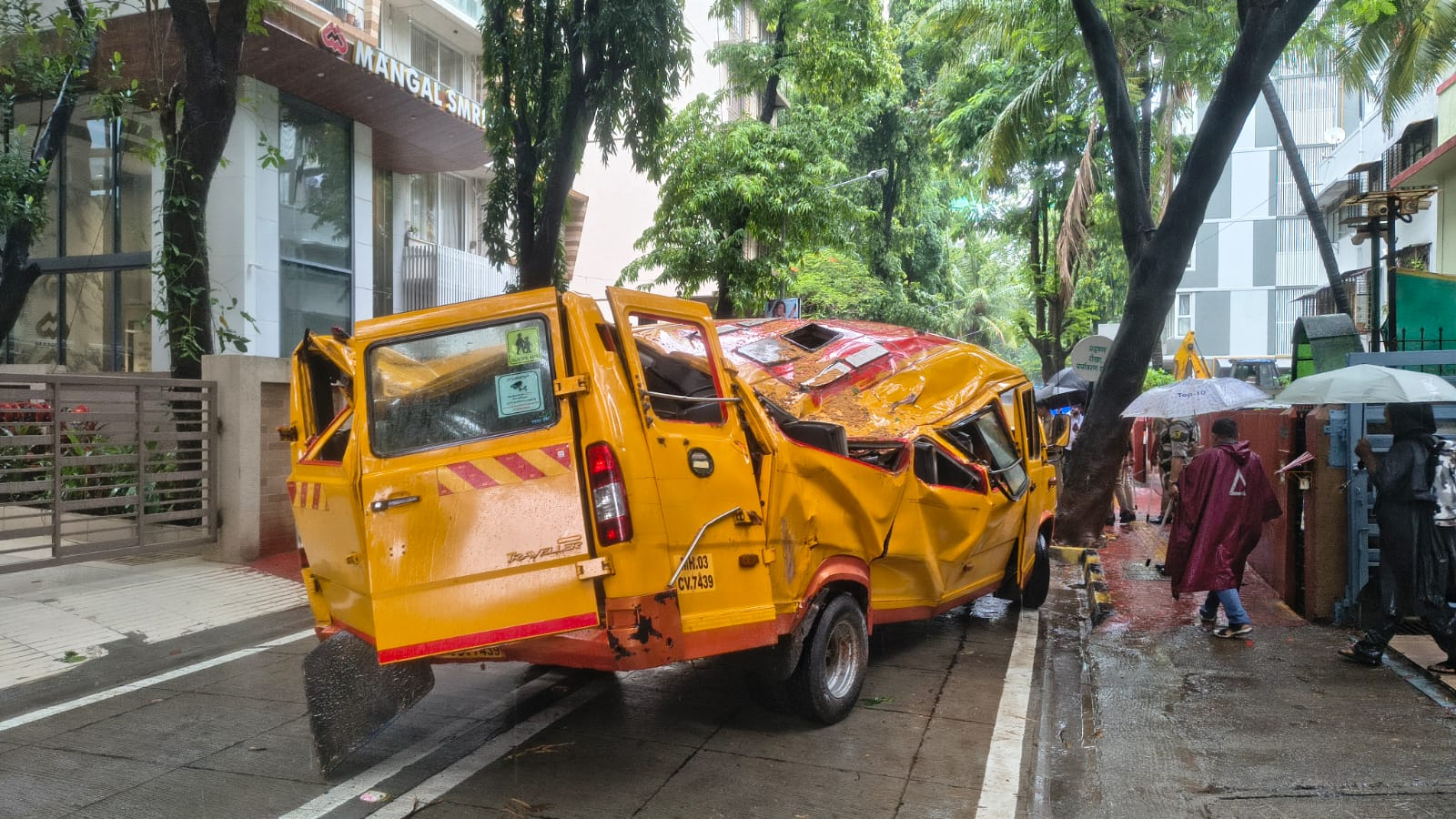
The Institution of Engineers (India) has formally requested that suspension orders against engineers connected to the Chembur tragedy be withdrawn, arguing that punitive measures should await the completion of a thorough investigation.
The Chembur incident, which claimed lives and raised serious questions about structural safety and professional oversight, triggered immediate administrative action against several engineering professionals. Authorities suspended the involved engineers pending inquiry into their roles and responsibilities in the matter. However, the engineers' association contends that these suspensions are premature and potentially unjust without conclusive findings from the ongoing probe.
Representatives of the association presented their case before relevant authorities, emphasising that suspension before investigation violates natural justice principles. They argued that engineers deserve the opportunity to present their defence and that sweeping action could unfairly damage professional reputations. The association called for a fair and transparent process that separates alleged negligence from mere association with the incident. According to the body, suspending all connected engineers creates a chilling effect on the profession and may hinder their ability to cooperate with investigators.
The tragedy has exposed critical gaps in structural safety compliance and site supervision across Mumbai's construction sector. Chembur, an established residential and commercial hub in eastern Mumbai, was thrust into spotlight following the incident. Residents and civic bodies have demanded stronger enforcement of building codes and more rigorous monitoring of construction projects throughout the city.
Meanwhile, the police and civic authorities are conducting parallel investigations to establish accountability. The findings are expected to clarify whether negligence, design flaws, poor execution, or multiple factors contributed to the tragedy. The association's intervention suggests tensions between swift administrative action and the presumption of innocence in professional misconduct cases.
Authorities have not yet responded publicly to the engineers' association's plea. The outcome will set precedent for how future incidents involving professional accountability are handled in Mumbai's construction industry.