Historic English River Restored to Natural Course After Century-Long Straightening
England's River Kemp has been restored to its original winding path after 18 months of intensive work by engineers and conservationists. The project reconnects the river to its historic route and revives wetland habitats for endangered species.

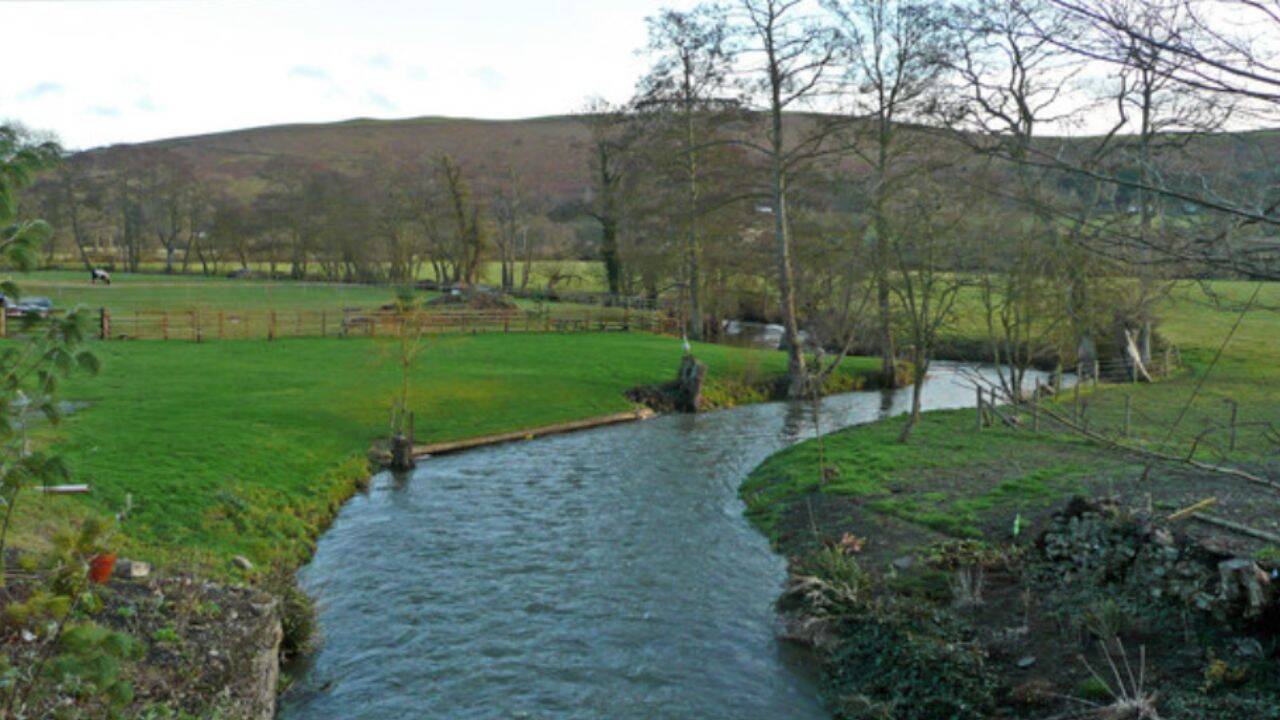
A significant ecological restoration project in England has successfully returned the River Kemp to its natural flowing pattern, reversing over a century of human engineering that had straightened the waterway. The 18-month restoration effort has reconnected the river to its original meandering path, known locally as the 'Walcot Wiggle,' marking a major victory for conservation efforts in the region.
The project brought together a diverse team of professionals including hydraulic engineers, environmental conservationists, and local farmers who worked collaboratively to undo the damage caused by 19th-century river straightening initiatives. These earlier modifications, intended to improve drainage and expand usable land, had fundamentally altered the river's natural character and ecosystem. The restoration team carefully planned and executed the reconnection, ensuring that the river could safely return to its original course while accommodating modern land use requirements.
The straightening of the River Kemp in the 1800s was a common practice across Europe, driven by the desire to maximize agricultural productivity and control flooding through engineered waterways. However, this approach came at a significant environmental cost. The artificially straightened river had lost the complex ecological characteristics that made it a thriving habitat for numerous species. Over the past century, awareness grew regarding the ecological damage caused by such interventions, prompting a shift toward restoration-based approaches.
The restored wetlands surrounding the river now serve multiple critical functions for the local ecosystem and community. The natural meanders and wetland areas help regulate floodwaters during heavy rainfall events, providing natural flood mitigation that protects downstream communities. Equally important, the restored habitat provides essential breeding and feeding grounds for diverse wildlife populations. Notably, the project has created conditions favorable for endangered freshwater pearl mussels, a species that had largely disappeared from the region due to habitat degradation. Other aquatic and terrestrial species are also expected to benefit from the restored riparian and wetland ecosystems.
The River Kemp restoration demonstrates a growing international trend toward undoing past environmental damage through river restoration projects. Such initiatives recognize that allowing rivers to flow naturally, with their characteristic curves and seasonal flooding patterns, creates more resilient ecosystems than artificially engineered channels. The success of this project may inspire similar restoration efforts across other straightened rivers in Britain and Europe, offering a blueprint for balancing historical land use with ecological recovery and modern flood management needs.