Iran Offers Air Conditioning Deal to Europe Amid Extreme Heat Crisis
Iran proposes lifting sanctions in exchange for air conditioning supplies as Europe battles record temperatures.

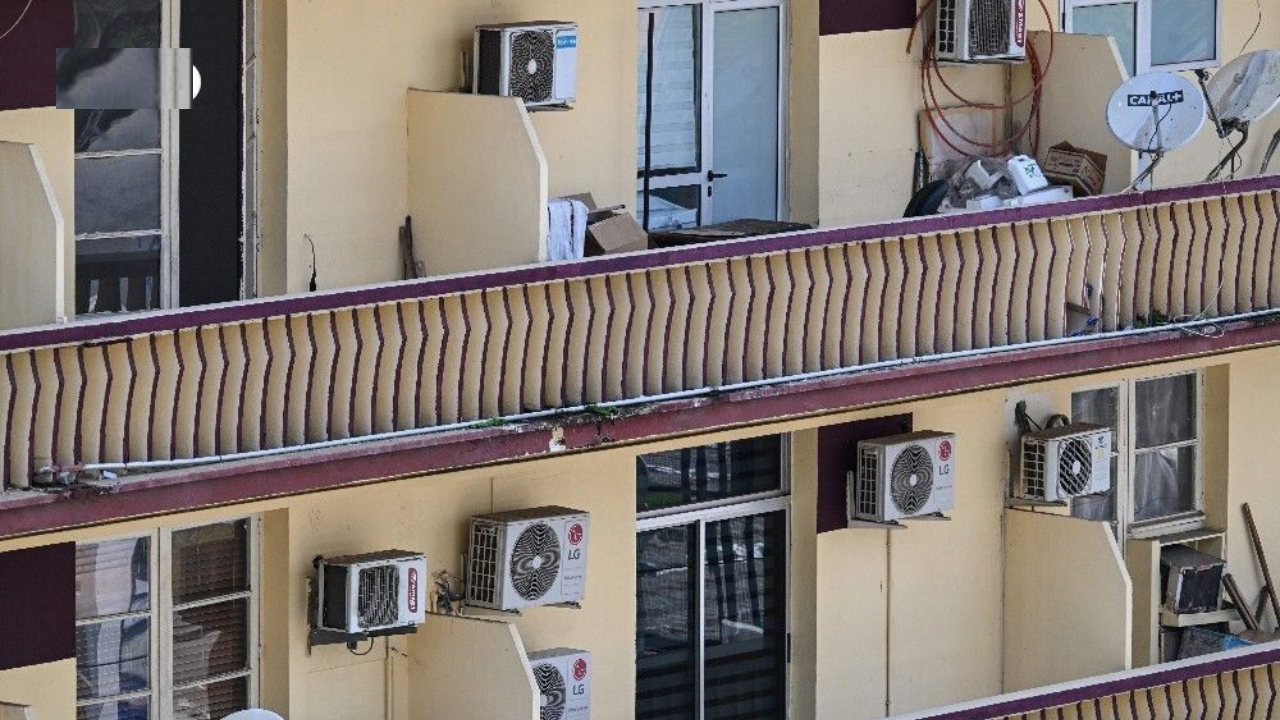
Iran has made an unconventional diplomatic proposal to European nations, suggesting that easing international sanctions could facilitate increased supplies of air conditioning units as the continent grapples with an unprecedented heatwave. The Iranian government framed the offer as a practical solution to help Europe cope with soaring temperatures that have affected millions across the region.
Iranian officials presented the proposition during international discussions, positioning it as a mutually beneficial arrangement. They argued that removing trade restrictions would enable Iran to export cooling equipment and other essential goods to European markets, while simultaneously addressing the immediate crisis caused by the extreme weather conditions devastating the continent.
This proposal reflects the broader geopolitical tension between Iran and Western nations over existing economic sanctions. The restrictions, imposed due to nuclear program concerns and regional security issues, have significantly limited Iran's international trade and economic opportunities. Iran has consistently sought relief from these measures, and the current European heatwave presented an opportunity to advance their position through a humanitarian angle.
Europe has been experiencing record-breaking temperatures this season, with multiple countries declaring emergencies and implementing energy conservation measures. The demand for cooling solutions has surged dramatically, straining supply chains and creating economic challenges across the continent. However, the Iranian proposal remains largely symbolic, as substantive sanctions relief would require complex multilateral negotiations involving numerous international stakeholders.
The move demonstrates how geopolitical disputes can intersect with climate-related challenges, though it is unlikely to result in immediate policy changes from European governments, which must balance humanitarian concerns with security and diplomatic considerations.