Mumbai-Ahmedabad bullet train to launch by 2027 with Japanese technology
India's first bullet train will begin operations by 2027, with the Surat-Bilimora section opening first. The high-speed corridor is over 80% complete and will use advanced Japanese Shinkansen technology to cut travel time dramatically.

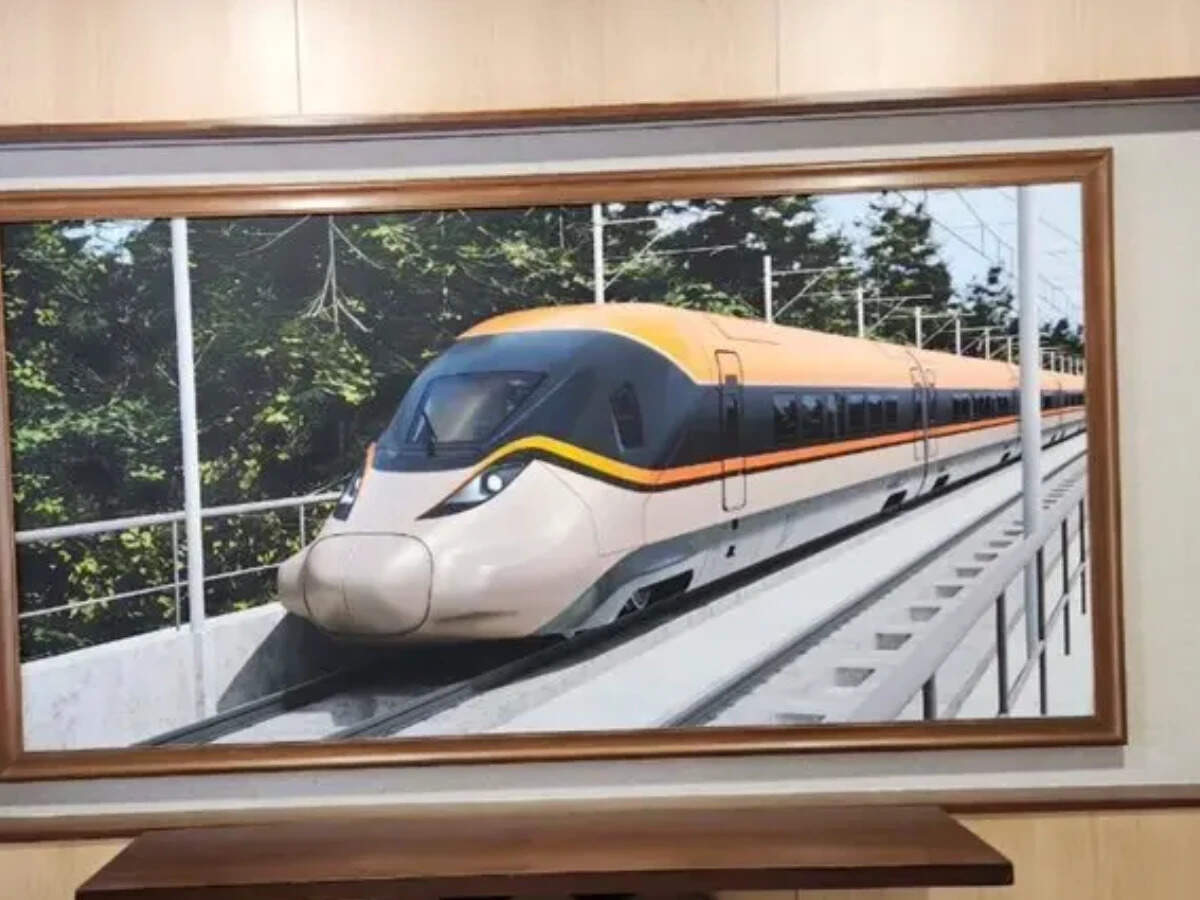
India's maiden bullet train project is moving closer to reality, with officials confirming that the Mumbai-Ahmedabad corridor will become operational by 2027. Union Railway Minister Ashwini Vaishnaw disclosed that the initial segment between Surat and Bilimora will be inaugurated first, marking a watershed moment for India's railway infrastructure.
The ambitious high-speed rail initiative has achieved significant construction milestones, with more than 80% of the work now complete across the entire corridor. The project harnesses cutting-edge Japanese Shinkansen technology, the same system that operates successfully in Japan and other countries worldwide. This technological partnership represents India's commitment to adopting world-class railway standards and modernizing transport infrastructure for the 21st century.
The bullet train corridor is engineered to substantially compress journey durations between Mumbai, Surat, Vadodara, and Ahmedabad—cities that currently rely on conventional rail services and road networks. The high-speed train will enable passengers to travel between these major commercial and industrial hubs in a fraction of the time currently required, transforming regional connectivity and economic integration. The project has faced several construction challenges and timeline adjustments since its conception, but sustained focus has kept the initiative on track for the targeted completion window.
Once operational, the bullet train will reshape transportation patterns across the western corridor, benefiting millions of commuters, business professionals, and tourists. The project promises reduced travel stress, enhanced punctuality, and improved connectivity between Gujarat's vibrant industrial centers and Maharashtra's economic powerhouse. Faster inter-city movement is expected to catalyze business expansion, labor mobility, and tourism growth across the region.
The successful completion of this corridor will serve as a blueprint for subsequent bullet train projects planned across India. Government authorities are already planning similar high-speed rail networks connecting other major metropolitan areas, signaling a broader transformation of India's transportation ecosystem. The 2027 launch of the Surat-Bilimora section represents not merely a single infrastructure project, but the genesis of India's high-speed rail revolution that will reshape how millions move across the nation in decades to come.
Source: TOI India

