Mumbai Air Quality Hides Toxic Hotspots
Mumbai's air quality varies greatly, experts push for hyperlocal rules
'%3E%3Crect%20width%3D'96'%20height%3D'96'%20fill%3D'%23B3261E'%2F%3E%3Ccircle%20cx%3D'30'%20cy%3D'24'%20r%3D'44'%20fill%3D'%23fff'%20opacity%3D'.12'%2F%3E%3Ccircle%20cx%3D'60'%20cy%3D'74'%20r%3D'40'%20fill%3D'%23000'%20opacity%3D'.10'%2F%3E%3C%2Fg%3E%3Cg%20fill%3D'%23fff'%3E%3Crect%20x%3D'29'%20y%3D'49'%20width%3D'8'%20height%3D'19'%20rx%3D'1'%2F%3E%3Crect%20x%3D'39'%20y%3D'40'%20width%3D'9'%20height%3D'28'%20rx%3D'1'%2F%3E%3Crect%20x%3D'50'%20y%3D'45'%20width%3D'8'%20height%3D'23'%20rx%3D'1'%2F%3E%3Crect%20x%3D'60'%20y%3D'53'%20width%3D'7'%20height%3D'15'%20rx%3D'1'%2F%3E%3Crect%20x%3D'41'%20y%3D'34'%20width%3D'5'%20height%3D'6'%2F%3E%3C%2Fg%3E%3C%2Fsvg%3E)
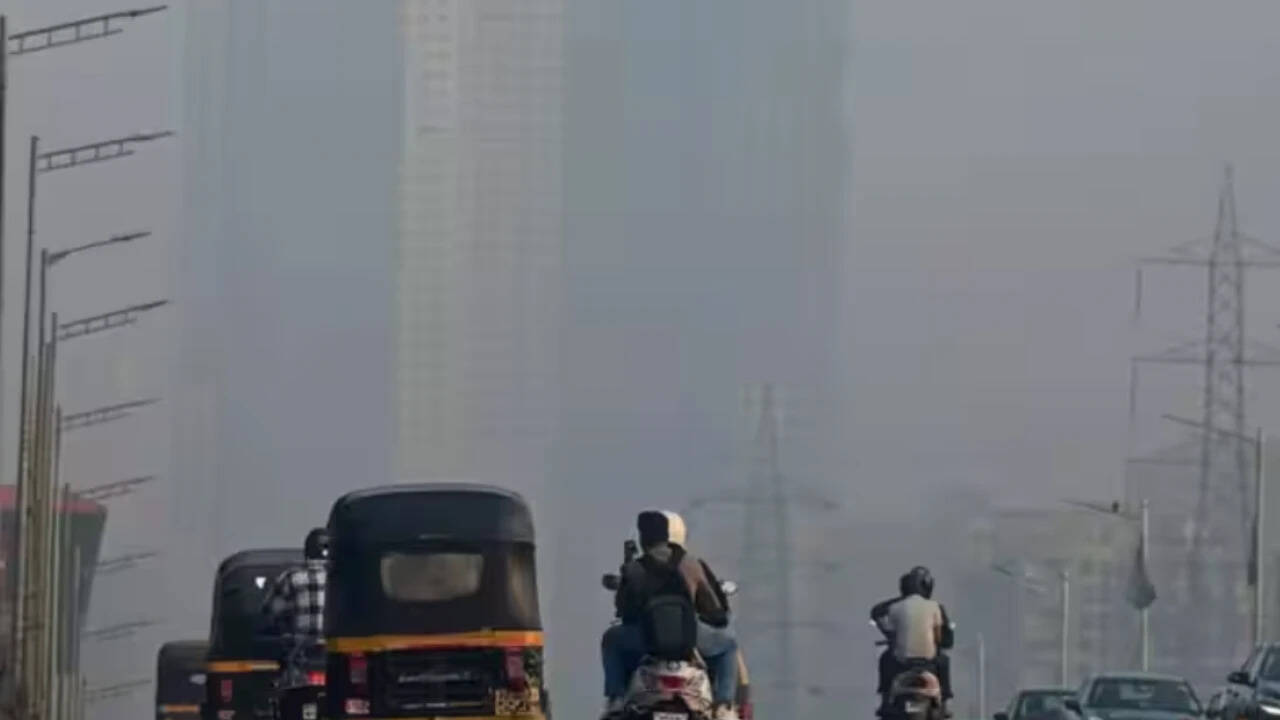
Mumbai's air quality readings can be misleading, as pollution levels differ significantly between neighborhoods. While the city's overall air quality may be considered 'moderate', some areas have much higher concentrations of pollutants. This variation highlights the need for localized data collection and dissemination in the Mumbai Metropolitan Region (MMR).
Experts emphasize that different pollution hotspots require distinct and targeted control measures. A one-size-fits-all approach to regulating pollution is not effective, as it fails to account for the unique characteristics of each area. Instead, a system where regulation follows pollution sources is essential for reducing pollution levels.
The MMR region is home to a diverse range of industries, vehicles, and other pollution sources, making it challenging to develop a single, effective pollution control strategy. However, by collecting and analyzing data at the local level, authorities can identify areas with high pollution levels and develop targeted interventions to address these issues.
Hyperlocal pollution rules would allow authorities to tailor their approach to the specific needs of each neighborhood. This could involve implementing stricter regulations on industries or vehicles in areas with high pollution levels, or investing in green infrastructure to mitigate the effects of pollution.
Developing a hyperlocal approach to pollution regulation would require significant investment in data collection and analysis. However, experts argue that this investment would be worthwhile, as it would enable authorities to develop more effective pollution control strategies and improve the health and well-being of Mumbai's residents.
The importance of addressing pollution in Mumbai cannot be overstated. Air pollution is a major public health concern, causing a range of health problems from respiratory issues to cardiovascular disease. By developing a more nuanced and targeted approach to pollution regulation, authorities can help reduce the burden of air pollution on Mumbai's residents.
In recent years, there has been growing recognition of the need for hyperlocal approaches to pollution regulation. As cities around the world grapple with the challenges of air pollution, Mumbai has the opportunity to take a leadership role in developing innovative and effective solutions.
Ultimately, the development of hyperlocal pollution rules in Mumbai will require a collaborative effort from authorities, industries, and residents. By working together, it is possible to create a cleaner, healthier environment for everyone in the city.
Mumbai's air quality may be considered 'moderate' overall, but the reality is that pollution levels vary greatly between neighborhoods. By acknowledging and addressing these variations, authorities can develop more effective pollution control strategies and improve the health and well-being of Mumbai's residents.
The push for hyperlocal pollution rules in Mumbai is a step in the right direction. As the city continues to grow and develop, it is essential that authorities prioritize the health and well-being of residents by developing targeted and effective approaches to pollution regulation.
In conclusion, Mumbai's air quality is a complex issue that requires a nuanced and targeted approach. By developing hyperlocal pollution rules and investing in localized data collection and analysis, authorities can help reduce pollution levels and improve the health and well-being of Mumbai's residents.
Frequently asked questions
Why is Mumbai's air quality considered misleading?
Mumbai's air quality readings can be misleading because pollution levels vary greatly between neighborhoods, with some areas showing much higher concentrations.
What is the solution to Mumbai's pollution problem?
Experts recommend developing a system where regulation follows pollution sources, and implementing hyperlocal pollution rules to address the unique characteristics of each area.