Ancient Trees Killed By Modern Wildfires
Ancient trees rely on fire to reproduce, but modern wildfires are killing them. What's behind this shift?
'%3E%3Crect%20width%3D'96'%20height%3D'96'%20fill%3D'%23B3261E'%2F%3E%3Ccircle%20cx%3D'30'%20cy%3D'24'%20r%3D'44'%20fill%3D'%23fff'%20opacity%3D'.12'%2F%3E%3Ccircle%20cx%3D'60'%20cy%3D'74'%20r%3D'40'%20fill%3D'%23000'%20opacity%3D'.10'%2F%3E%3C%2Fg%3E%3Cg%20fill%3D'%23fff'%3E%3Crect%20x%3D'29'%20y%3D'49'%20width%3D'8'%20height%3D'19'%20rx%3D'1'%2F%3E%3Crect%20x%3D'39'%20y%3D'40'%20width%3D'9'%20height%3D'28'%20rx%3D'1'%2F%3E%3Crect%20x%3D'50'%20y%3D'45'%20width%3D'8'%20height%3D'23'%20rx%3D'1'%2F%3E%3Crect%20x%3D'60'%20y%3D'53'%20width%3D'7'%20height%3D'15'%20rx%3D'1'%2F%3E%3Crect%20x%3D'41'%20y%3D'34'%20width%3D'5'%20height%3D'6'%2F%3E%3C%2Fg%3E%3C%2Fsvg%3E)
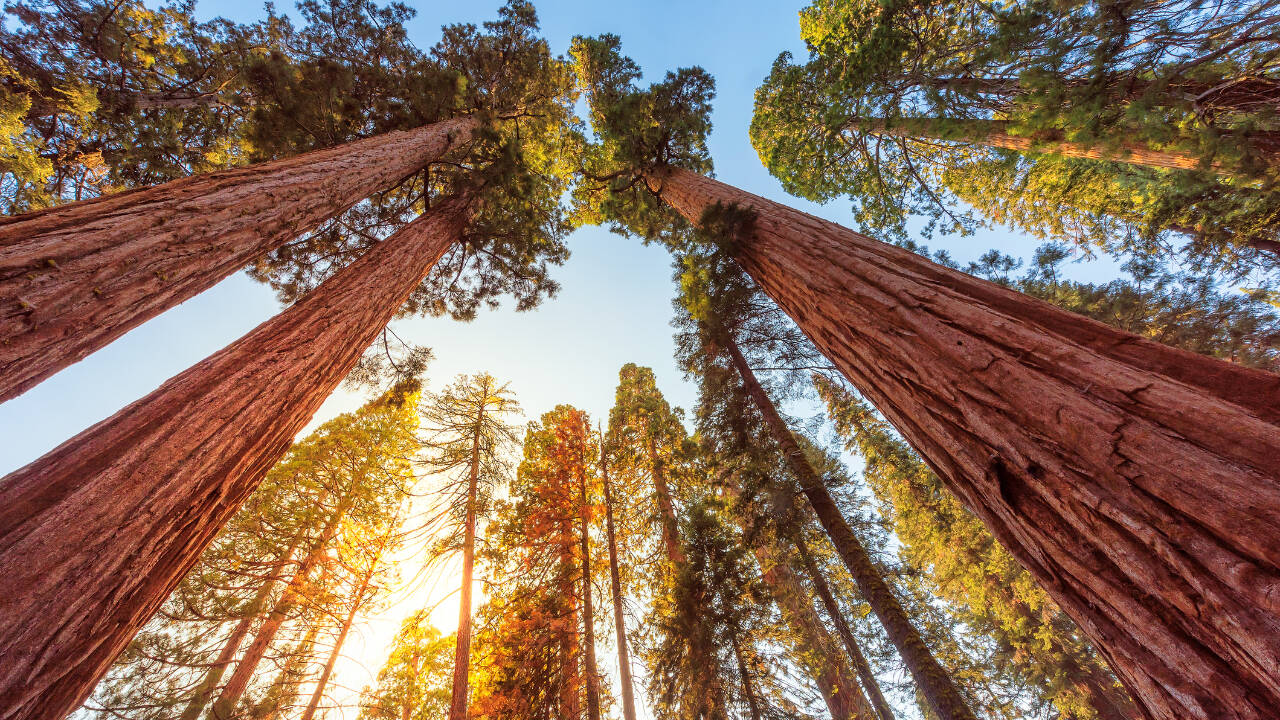
Ancient trees have long relied on fire to reproduce, with some species depending on the heat from blazes to open their seed pods. However, modern wildfires are now posing a significant threat to these trees, killing them instead of helping them reproduce.
The exact mechanism behind this shift is complex, but it's believed that the increased frequency and intensity of modern wildfires are to blame. These fires are often fueled by climate change, human activity, and other factors, making them more destructive than the natural fires that these trees have evolved to rely on.
One of the main species affected by this issue is the jack pine, which relies on fire to open its seed pods. In the past, natural fires would sweep through the forest, opening the pods and allowing the seeds to germinate. However, modern wildfires are often too hot and too frequent, killing the trees before they have a chance to reproduce.
This is not just a problem for the trees themselves, but also for the ecosystems that rely on them. Many species of plants and animals depend on these ancient trees for food, shelter, and habitat, and their loss could have a ripple effect throughout the entire ecosystem.
The history of these ancient trees dates back thousands of years, with some species remaining relatively unchanged since the time of the dinosaurs. They have evolved to rely on fire as a part of their life cycle, and it's only in recent years that this relationship has become disrupted.
In the past, indigenous communities would often use fire as a tool for managing the forest, conducting controlled burns to promote the health and diversity of the ecosystem. However, with the advent of modern firefighting techniques and the suppression of natural fires, this delicate balance has been disrupted.
Today, conservation efforts are underway to protect these ancient trees and the ecosystems they support. This includes conducting controlled burns, thinning out forests to reduce the risk of wildfires, and educating the public about the importance of preserving these natural wonders.
The loss of these ancient trees would not only be a tragedy for the environment, but also for the cultural and historical significance they hold. They are a reminder of the beauty and complexity of the natural world, and the importance of preserving it for future generations.
In conclusion, the relationship between ancient trees and fire is complex and multifaceted. While fire has long been a necessary part of their life cycle, modern wildfires are now posing a significant threat to their survival. It's up to us to take action to protect these trees and the ecosystems they support, and to preserve the natural balance that has been disrupted by human activity.
The impact of modern wildfires on ancient trees is a pressing issue that requires immediate attention. As we move forward, it's essential that we prioritize the preservation of these natural wonders and work to restore the delicate balance of the ecosystem. By doing so, we can ensure the long-term survival of these incredible trees and the many species that depend on them.
The significance of this issue extends beyond the environmental impact, as it also highlights the importance of preserving our natural heritage. These ancient trees are a reminder of the beauty and complexity of the natural world, and the need to protect it for future generations. As we continue to navigate the challenges of climate change and human activity, it's essential that we prioritize the preservation of these incredible trees and the ecosystems they support.
In the end, the fate of these ancient trees is in our hands. It's up to us to take action to protect them, and to preserve the natural balance that has been disrupted by human activity. By working together, we can ensure the long-term survival of these incredible trees and the many species that depend on them.