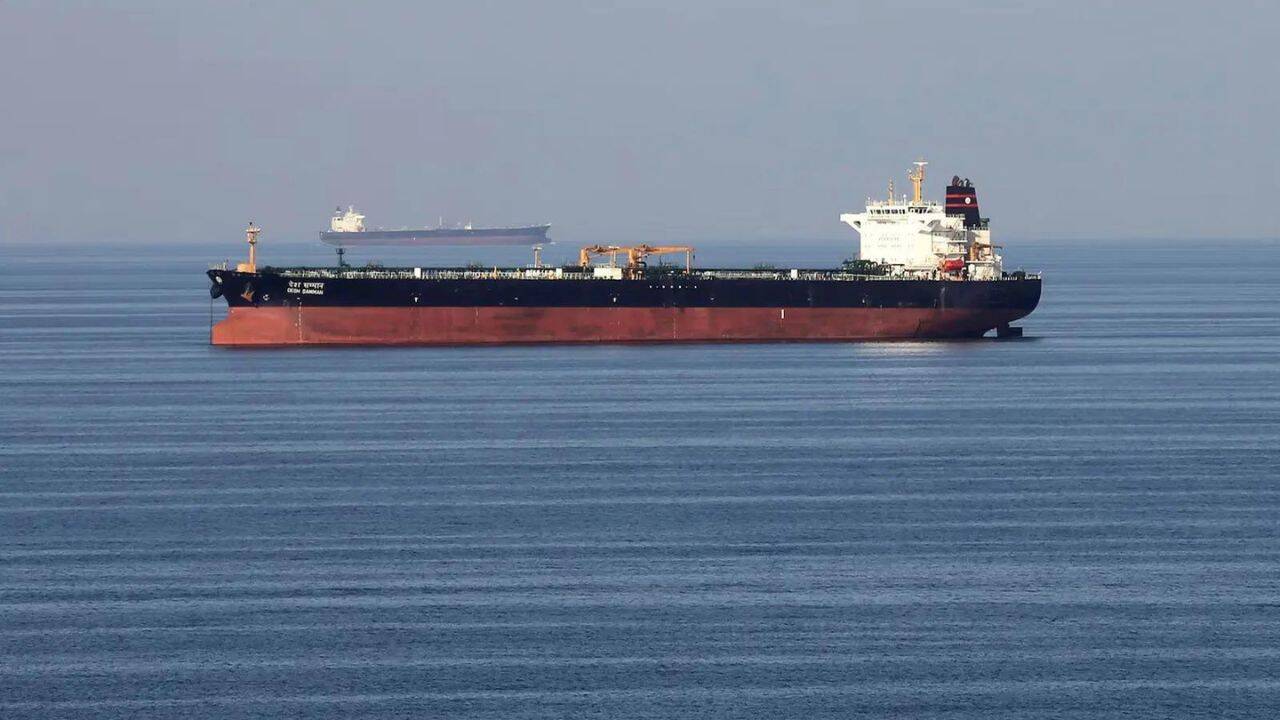
US Launches Airstrikes On Iran Over Ship Attack
US strikes Iran for third time, hitting 140 targets. Iran accused of attacking commercial ship.

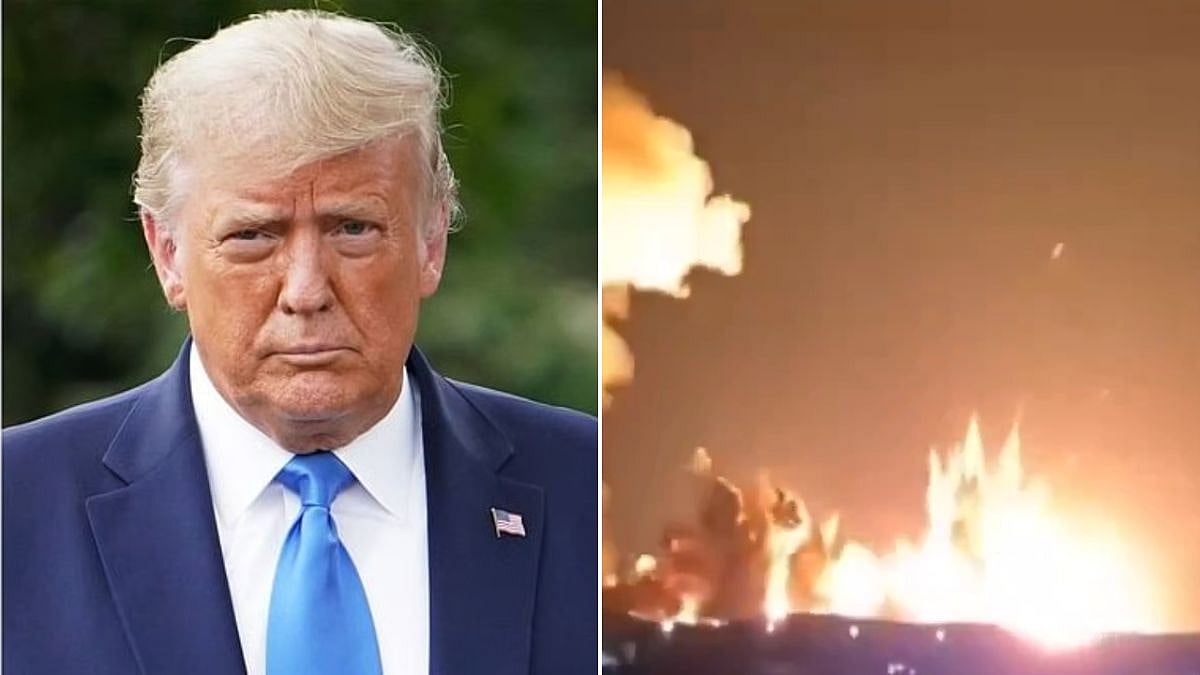
The United States Central Command (CENTCOM) launched a third round of airstrikes against Iran on Saturday, targeting approximately 140 Iranian military targets. The strikes were in response to an alleged attack by Iranian forces on a commercial ship in the Strait of Hormuz.
The attack on the Cyprus-flagged container vessel M/V GFS Galaxy occurred earlier in the day, resulting in a missing civilian crew member and significant damage to the ship. The vessel is currently unable to continue its journey due to an onboard fire and engine room damage.
According to CENTCOM, the airstrikes targeted Iranian missile and drone sites, naval capabilities, ammunition storage facilities, communication networks, and coastal surveillance locations. The strikes were carried out using precision munitions launched by land- and sea-based fighter aircraft, drones, and naval vessels.
This week, CENTCOM has struck over 300 targets in three nights of strikes, aiming to degrade Iran's ability to attack civilian mariners and commercial vessels transiting the Strait of Hormuz. The US has helped facilitate the successful transit of over 800 commercial vessels and 400 million barrels of crude oil through the strait since early May.
CENTCOM stated that Iran had been given the opportunity to demonstrate adherence to a Memorandum of Understanding after being held accountable for earlier attacks on commercial vessels, but had failed to do so. In response, the US is imposing a heavy cost by continuing to degrade Iran's ability to attack civilian mariners and commercial ships.
The Strait of Hormuz is a vital international maritime corridor, and the US has taken steps to ensure the continued safe transit of commercial vessels through the area. The US airstrikes on Iran are a significant escalation of tensions between the two countries, and the situation remains closely monitored.
The conflict in the region has been ongoing, with the US and Iran engaging in a series of exchanges and confrontations. The US has been working to protect commercial shipping in the area and to hold Iran accountable for its actions.
In the broader context, the situation in the Strait of Hormuz has significant implications for global trade and energy security. The strait is a critical chokepoint for oil exports, and any disruption to shipping in the area could have far-reaching consequences.
The US airstrikes on Iran are a demonstration of the country's commitment to protecting its interests and those of its allies in the region. The situation remains complex and fluid, with the potential for further escalation or de-escalation in the coming days and weeks.
The international community is watching the situation closely, with many countries calling for calm and restraint. The US and Iran have a long and complex history, and the current tensions are just the latest chapter in a decades-long saga.
As the situation continues to unfold, it is clear that the US and Iran are engaged in a high-stakes game of cat and mouse, with significant implications for the region and the world. The US airstrikes on Iran are a significant development, and the consequences of this action will be closely watched in the days and weeks to come.
In conclusion, the US airstrikes on Iran are a significant escalation of tensions between the two countries, and the situation remains closely monitored. The conflict in the region has significant implications for global trade and energy security, and the international community is watching the situation closely.