German Warships Yield Pre-Nuclear Steel
Sunken warships now aid science, Seven vessels preserved
'%3E%3Crect%20width%3D'96'%20height%3D'96'%20fill%3D'%23B3261E'%2F%3E%3Ccircle%20cx%3D'30'%20cy%3D'24'%20r%3D'44'%20fill%3D'%23fff'%20opacity%3D'.12'%2F%3E%3Ccircle%20cx%3D'60'%20cy%3D'74'%20r%3D'40'%20fill%3D'%23000'%20opacity%3D'.10'%2F%3E%3C%2Fg%3E%3Cg%20fill%3D'%23fff'%3E%3Crect%20x%3D'29'%20y%3D'49'%20width%3D'8'%20height%3D'19'%20rx%3D'1'%2F%3E%3Crect%20x%3D'39'%20y%3D'40'%20width%3D'9'%20height%3D'28'%20rx%3D'1'%2F%3E%3Crect%20x%3D'50'%20y%3D'45'%20width%3D'8'%20height%3D'23'%20rx%3D'1'%2F%3E%3Crect%20x%3D'60'%20y%3D'53'%20width%3D'7'%20height%3D'15'%20rx%3D'1'%2F%3E%3Crect%20x%3D'41'%20y%3D'34'%20width%3D'5'%20height%3D'6'%2F%3E%3C%2Fg%3E%3C%2Fsvg%3E)
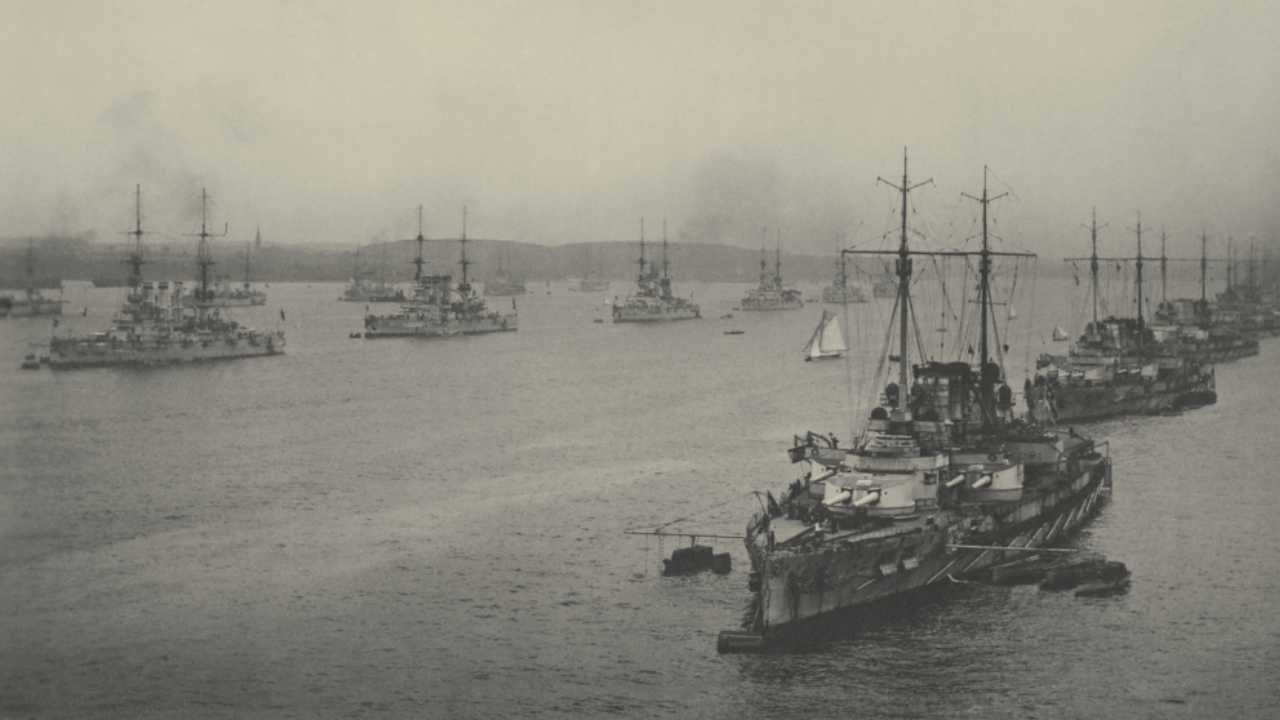
In 1919, fifty-two German warships were scuttled in Scapa Flow, marking the end of their service. However, the steel from these wrecks has found new purpose in modern scientific advancements. The pre-nuclear steel salvaged from the sunken warships has been crucial in the development of sensitive radiation detectors. These detectors play a vital role in ensuring the accuracy of medical imaging and deep-space probes by protecting them from false readings.
The unique properties of the pre-nuclear steel make it an ideal material for such applications. The steel from the German warships is free from radioactive contaminants that are present in modern steel, which is produced using nuclear-era materials and processes. This makes the pre-nuclear steel highly sought after for use in sensitive scientific instruments.
The story of the sunken German warships is a fascinating one. After the end of World War I, the German fleet was interned in Scapa Flow, a natural harbor in the Orkney Islands, Scotland. However, before the ships could be handed over to the British, the German sailors scuttled their own vessels, sending them to the bottom of the sea.
Today, seven of the historic warships remain preserved, serving as a reminder of the past. The preservation of these vessels is important for maintaining the cultural and historical heritage of the site. The remaining wrecks are a testament to the ingenuity and determination of the German sailors who served on them.
The use of pre-nuclear steel in scientific innovations is a significant development. The material has been used in a variety of applications, including the construction of radiation detectors for medical imaging and space exploration. The detectors are designed to provide accurate readings, even in environments with high levels of radiation.
The preservation of the sunken warships and the use of their steel in scientific applications highlight the importance of protecting our cultural and historical heritage. The story of the German warships in Scapa Flow serves as a reminder of the significance of preserving the past for the benefit of future generations.
In conclusion, the sunken German warships in Scapa Flow have found a new lease on life, with their pre-nuclear steel being used in cutting-edge scientific innovations. The preservation of the historic vessels and the use of their steel in modern applications demonstrate the importance of protecting our cultural and historical heritage.
The significance of the pre-nuclear steel from the German warships extends beyond its practical applications. It also serves as a reminder of the historical events that shaped the world we live in today. The story of the sunken warships is a fascinating one, and their legacy continues to inspire new generations of scientists and historians.
As we continue to push the boundaries of scientific knowledge, the use of pre-nuclear steel from the German warships will remain an important part of our efforts. The unique properties of the material make it an ideal choice for a variety of applications, and its preservation is essential for maintaining the accuracy and reliability of our scientific instruments.
In the end, the story of the sunken German warships in Scapa Flow is one of ingenuity, determination, and the importance of preserving our cultural and historical heritage. The use of their pre-nuclear steel in modern scientific innovations is a testament to the enduring legacy of these historic vessels.
Frequently asked questions
What is pre-nuclear steel?
Pre-nuclear steel is steel produced before the nuclear era, free from radioactive contaminants.
Why is pre-nuclear steel used in radiation detectors?
Pre-nuclear steel is used in radiation detectors because it is free from radioactive contaminants, making it ideal for sensitive scientific instruments.