Bombay HC Orders Takedown of Defamatory Posts Targeting Nitin Gadkari
Court directs social media platforms to remove vile posts, questions their content detection mechanisms.
'%3E%3Crect%20width%3D'96'%20height%3D'96'%20fill%3D'%231A5276'%2F%3E%3Ccircle%20cx%3D'30'%20cy%3D'24'%20r%3D'44'%20fill%3D'%23fff'%20opacity%3D'.12'%2F%3E%3Ccircle%20cx%3D'60'%20cy%3D'74'%20r%3D'40'%20fill%3D'%23000'%20opacity%3D'.10'%2F%3E%3C%2Fg%3E%3Cg%20fill%3D'%23fff'%3E%3Cpath%20d%3D'M31%2041%20L48%2031%20L65%2041%20Z'%2F%3E%3Crect%20x%3D'33'%20y%3D'43'%20width%3D'4'%20height%3D'17'%2F%3E%3Crect%20x%3D'41'%20y%3D'43'%20width%3D'4'%20height%3D'17'%2F%3E%3Crect%20x%3D'51'%20y%3D'43'%20width%3D'4'%20height%3D'17'%2F%3E%3Crect%20x%3D'59'%20y%3D'43'%20width%3D'4'%20height%3D'17'%2F%3E%3Crect%20x%3D'30'%20y%3D'62'%20width%3D'36'%20height%3D'4'%20rx%3D'1'%2F%3E%3C%2Fg%3E%3C%2Fsvg%3E)
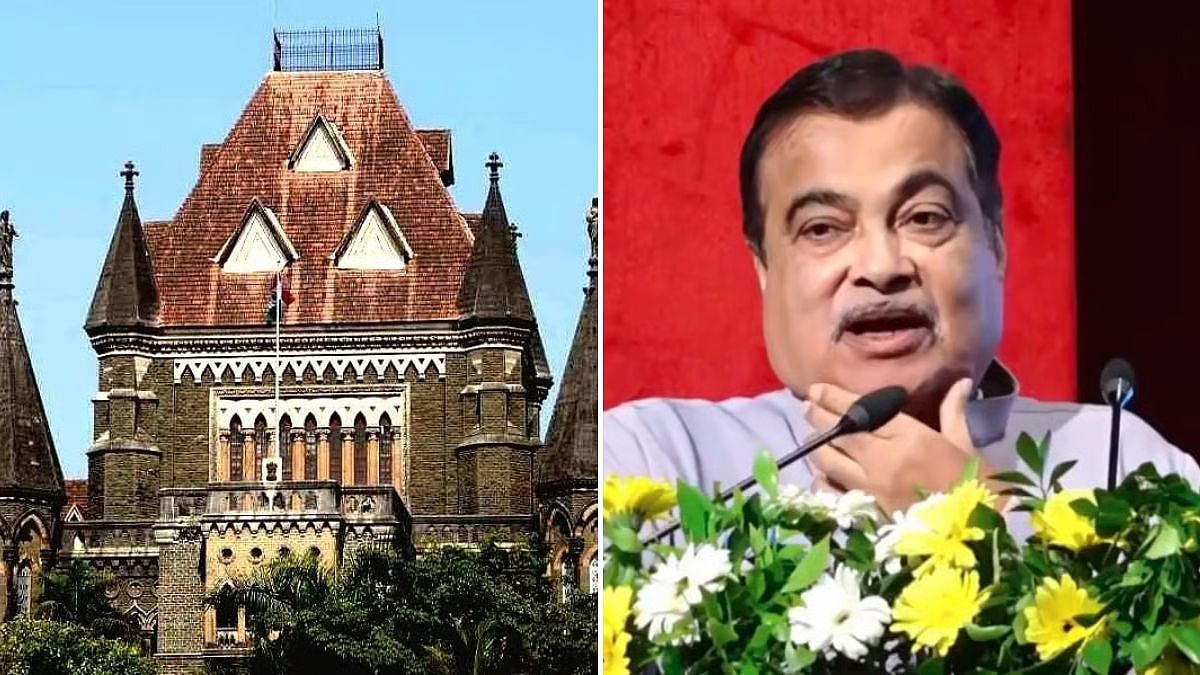
The Bombay High Court has granted interim relief to Union Minister Nitin Gadkari, ordering social media platforms to take down defamatory and abusive content targeting him and his family.
The court's decision came while hearing Gadkari's suit seeking the removal of fake content allegedly linking him to the Centre's E20 ethanol-blending programme. Justice Arif Doctor observed that the posts in question were 'vile, abusive, obscene and defamatory' and had no place on public platforms.
Gadkari had filed a suit seeking the removal of AI-generated and deepfake posts that falsely claimed he and his family benefited financially from the government's ethanol-blended fuel programme. The minister maintained that he had no role in formulating or implementing the E20 policy and that the suit was not intended to stifle fair criticism, but only to stop false and defamatory content.
The court questioned social media platforms, including Meta, X Corp, and Google LLC, on their mechanisms for detecting and removing such content without forcing victims to approach the court. Justice Doctor remarked that with the technology available, there should be triggers to immediately pick up and delete abusive or vulgar content.
The court noted that Meta and Google had agreed to remove the material identified in the suit and accepted their statement. It further directed that if Gadkari comes across similar content in the future, he can notify the intermediaries, who must take necessary action.
Gadkari's counsel clarified that the minister was not seeking to curb fair criticism, and the court agreed that only abusive material and deepfake content would be communicated for removal. If there was any 'grey area', the platforms would be free to approach the court.
The matter has been posted for hearing after four weeks, by which time the respondents are to file their replies. In his suit, Gadkari has sought an immediate takedown of the allegedly fake and fabricated posts, a permanent injunction against their circulation, and damages of Rs 11 crore.
The court's decision highlights the need for social media platforms to have effective mechanisms in place to detect and remove defamatory and abusive content. It also underscores the importance of balancing the right to free speech with the need to protect individuals from false and defamatory content.
The case is significant, as it involves a high-profile public figure and raises important questions about the responsibility of social media platforms to regulate content on their platforms. The court's decision is likely to have implications for how social media platforms approach content moderation in the future.
In the context of India's growing concerns about online harassment and defamation, the court's decision is a welcome step towards holding social media platforms accountable for the content they host. It also highlights the need for greater awareness and education about online etiquette and the importance of respecting individuals' rights to dignity and reputation.
As the case progresses, it will be important to watch how social media platforms respond to the court's directives and whether they will implement more effective mechanisms for detecting and removing defamatory and abusive content. The outcome of the case will have significant implications for the future of online content regulation in India.
The Bombay High Court's decision is a significant development in the ongoing debate about online free speech and the need to protect individuals from false and defamatory content. It underscores the importance of finding a balance between the right to free speech and the need to protect individuals' rights to dignity and reputation.
The court's order is a positive step towards creating a safer and more respectful online environment, and it will be important to monitor how social media platforms respond to the court's directives in the coming weeks and months.
In conclusion, the Bombay High Court's decision to order the takedown of defamatory posts targeting Nitin Gadkari is a significant development in the ongoing debate about online free speech and content regulation. The case highlights the need for social media platforms to have effective mechanisms in place to detect and remove defamatory and abusive content, and it underscores the importance of balancing the right to free speech with the need to protect individuals from false and defamatory content.
Frequently asked questions
What was the Bombay High Court's decision in the Nitin Gadkari case?
The court ordered social media platforms to take down defamatory and abusive content targeting Nitin Gadkari and his family.
What was the basis for the court's decision?
The court found that the posts in question were 'vile, abusive, obscene and defamatory' and had no place on public platforms.