Minnesota Lake Sees 600% Clarity Jump After Carp Removal
Pickerel Lake's water clarity soared after invasive carp were removed. Native plants flourished.
'%3E%3Crect%20width%3D'96'%20height%3D'96'%20fill%3D'%23B3261E'%2F%3E%3Ccircle%20cx%3D'30'%20cy%3D'24'%20r%3D'44'%20fill%3D'%23fff'%20opacity%3D'.12'%2F%3E%3Ccircle%20cx%3D'60'%20cy%3D'74'%20r%3D'40'%20fill%3D'%23000'%20opacity%3D'.10'%2F%3E%3C%2Fg%3E%3Cg%20fill%3D'%23fff'%3E%3Crect%20x%3D'29'%20y%3D'49'%20width%3D'8'%20height%3D'19'%20rx%3D'1'%2F%3E%3Crect%20x%3D'39'%20y%3D'40'%20width%3D'9'%20height%3D'28'%20rx%3D'1'%2F%3E%3Crect%20x%3D'50'%20y%3D'45'%20width%3D'8'%20height%3D'23'%20rx%3D'1'%2F%3E%3Crect%20x%3D'60'%20y%3D'53'%20width%3D'7'%20height%3D'15'%20rx%3D'1'%2F%3E%3Crect%20x%3D'41'%20y%3D'34'%20width%3D'5'%20height%3D'6'%2F%3E%3C%2Fg%3E%3C%2Fsvg%3E)
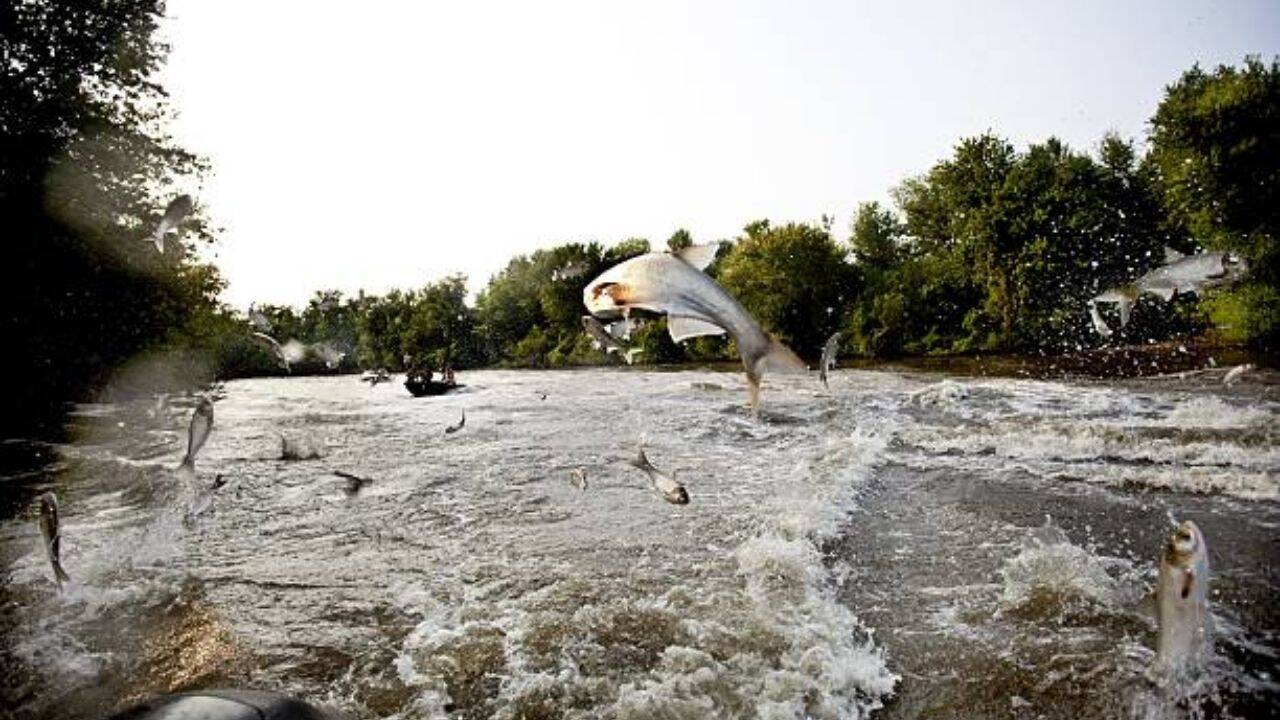
Pickerel Lake in Minnesota has long struggled with water quality issues and algal blooms, primarily due to the presence of invasive common carp. However, after the removal of these carp in 2009, the lake underwent a significant transformation. The water clarity improved dramatically, with a nearly 600% increase, and native aquatic plants began to thrive once more.
The common carp, an invasive species, had taken over the shallow waters of Pickerel Lake, causing significant damage to the ecosystem. The removal of these carp was a crucial step in restoring the lake's health. The project's success highlights the importance of addressing invasive species in revitalizing ecosystems.
Prior to the removal of the carp, Pickerel Lake was plagued by poor water quality and frequent algal blooms. The invasive carp were responsible for uprooting native plants and stirring up sediment, which further exacerbated the water quality issues. The lake's ecosystem was in a state of decline, and it seemed unlikely that it could be restored.
However, the removal of the carp proved to be a turning point for the lake. With the invasive species gone, native plants were able to recolonize the area, and the water clarity began to improve. The increase in water clarity was dramatic, with a nearly 600% jump. This improvement in water clarity has had a positive impact on the entire ecosystem, allowing native plants and animals to thrive.
The restoration of Pickerel Lake is a testament to the importance of addressing invasive species. Invasive species can have a devastating impact on ecosystems, causing damage to native plants and animals. By removing these invasive species, it is possible to restore ecosystems and promote biodiversity.
The success of the Pickerel Lake restoration project has implications for other ecosystems struggling with invasive species. It highlights the importance of taking action to address these invasive species and restore ecosystems. By doing so, it is possible to promote biodiversity and improve the health of ecosystems.
In conclusion, the removal of invasive common carp from Pickerel Lake in Minnesota has had a profound impact on the lake's ecosystem. The significant improvement in water clarity and the recolonization of native plants are a testament to the importance of addressing invasive species. This project serves as a model for other ecosystems struggling with invasive species, and it highlights the need to take action to restore and protect these ecosystems.
The restoration of Pickerel Lake is a positive step towards promoting biodiversity and improving the health of ecosystems. It shows that with concerted effort and action, it is possible to restore damaged ecosystems and promote the health of native plants and animals. The project's success will likely have a lasting impact on the ecosystem, and it will serve as a model for future restoration projects.
The improvement in water clarity has also had a positive impact on the lake's recreational activities. With clearer water, activities such as swimming, fishing, and boating have become more enjoyable. The restoration of the lake has also had a positive impact on the local community, with many residents appreciating the improved water quality and the return of native plants and animals.
Overall, the restoration of Pickerel Lake is a significant achievement, and it highlights the importance of addressing invasive species in revitalizing ecosystems. The project's success serves as a model for other ecosystems struggling with invasive species, and it promotes the need to take action to restore and protect these ecosystems.
The future of Pickerel Lake looks promising, with the ecosystem continuing to thrive. The removal of invasive common carp has had a lasting impact on the lake, and it will likely continue to promote biodiversity and improve the health of the ecosystem. The project's success is a testament to the importance of addressing invasive species and restoring ecosystems.
In the end, the restoration of Pickerel Lake is a positive step towards promoting biodiversity and improving the health of ecosystems. It shows that with concerted effort and action, it is possible to restore damaged ecosystems and promote the health of native plants and animals. The project's success will likely have a lasting impact on the ecosystem, and it will serve as a model for future restoration projects.
Frequently asked questions
What was the main cause of water quality issues in Pickerel Lake?
The main cause of water quality issues in Pickerel Lake was the presence of invasive common carp.
What happened to the lake's ecosystem after the removal of invasive carp?
The lake's ecosystem underwent a significant transformation, with a nearly 600% increase in water clarity and the recolonization of native plants.