India Refuses Asia Cup Trophy from Mohsin Naqvi
India wins Asia Cup, skips trophy ceremony. BCCI explains why.
'%3E%3Crect%20width%3D'96'%20height%3D'96'%20fill%3D'%231B5E20'%2F%3E%3Ccircle%20cx%3D'30'%20cy%3D'24'%20r%3D'44'%20fill%3D'%23fff'%20opacity%3D'.12'%2F%3E%3Ccircle%20cx%3D'60'%20cy%3D'74'%20r%3D'40'%20fill%3D'%23000'%20opacity%3D'.10'%2F%3E%3C%2Fg%3E%3Cg%3E%3Ccircle%20cx%3D'48'%20cy%3D'48'%20r%3D'15'%20fill%3D'%23fff'%2F%3E%3Cpath%20d%3D'M43%2034%20Q50%2048%2043%2062'%20fill%3D'none'%20stroke%3D'%238a94a6'%20stroke-width%3D'2.4'%2F%3E%3Cpath%20d%3D'M47%2033%20Q54%2048%2047%2063'%20fill%3D'none'%20stroke%3D'%238a94a6'%20stroke-width%3D'1.8'%20stroke-dasharray%3D'1.5%203'%2F%3E%3C%2Fg%3E%3C%2Fsvg%3E)
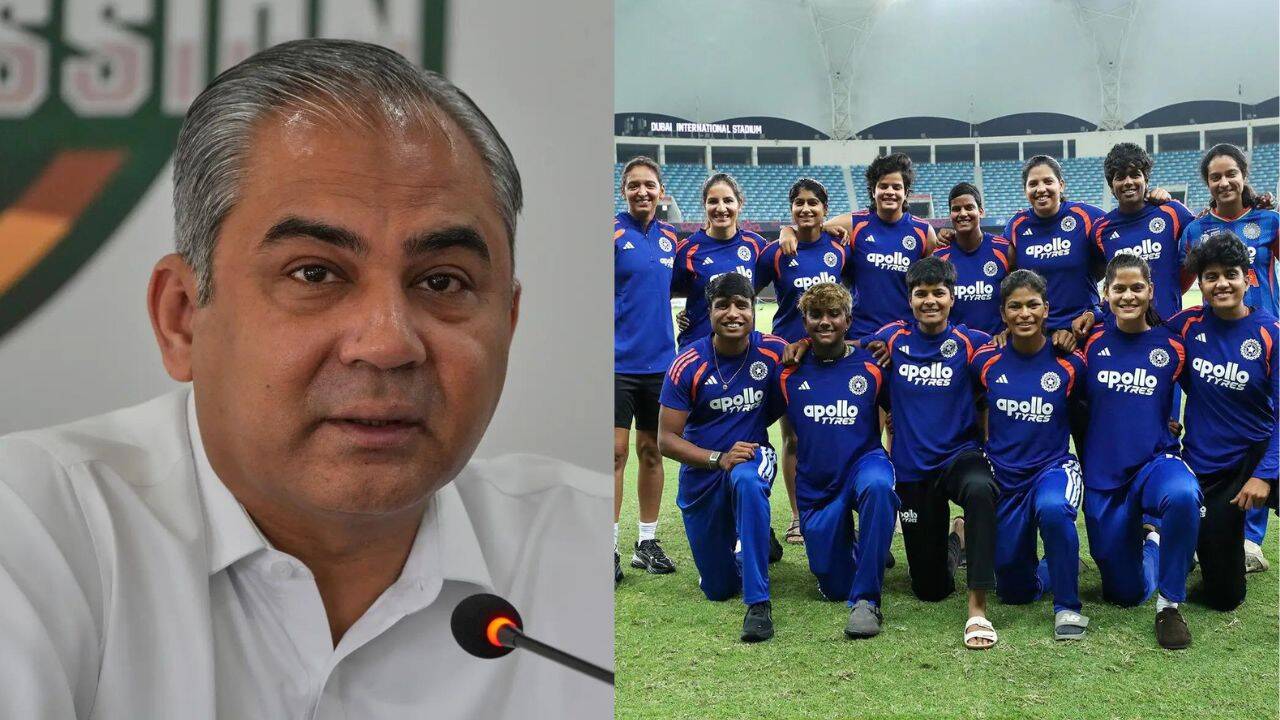
India won the Asia Cup final against Sri Lanka by 72 runs in Dubai on Sunday. However, the Indian team did not accept the trophy from Mohsin Naqvi, the current chairman of the Asian Cricket Council (ACC).
This decision was reportedly made by the Board of Control for Cricket in India (BCCI). The BCCI stated that Naqvi did not object to India's refusal to accept the trophy from him.
The incident marks the second consecutive year that an Indian team has skipped receiving the Asia Cup trophy from the ACC chairman. Last year, the men's team also declined to accept the trophy following the Pahalgam terror attack.
The Pahalgam terror attack had significant implications for India-Pakistan relations and the cricketing world. The attack led to increased tensions between the two nations, affecting various aspects of their relationship, including sports.
The Asia Cup is a prestigious international cricket tournament held every two years. The tournament features teams from Asian countries, including India, Pakistan, Sri Lanka, and Bangladesh. The competition is highly anticipated and closely watched by cricket fans across the continent.
The Indian team's decision to refuse the trophy from Naqvi may be seen as a reflection of the current geopolitical climate and the strained relations between India and Pakistan. The BCCI's stance on this matter highlights the complex and sensitive nature of international sports diplomacy.
In recent years, cricket has become an integral part of the diplomatic landscape between India and Pakistan. The sport has been used as a tool for diplomacy, with matches and tournaments often being seen as opportunities for dialogue and cooperation.
However, the current tensions between the two nations have made it challenging for cricket to serve as a bridge for diplomacy. The Indian team's refusal to accept the trophy from Naqvi is a testament to the complexities and challenges involved in international sports diplomacy.
The incident has sparked a debate about the role of sports in diplomacy and the impact of geopolitical tensions on international competitions. As the cricketing world continues to navigate these complexities, the Indian team's decision to refuse the trophy from Naqvi will likely be remembered as a significant moment in the history of the Asia Cup.
In conclusion, the Indian team's refusal to accept the Asia Cup trophy from Mohsin Naqvi is a reflection of the current geopolitical climate and the strained relations between India and Pakistan. The incident highlights the challenges and complexities involved in international sports diplomacy and serves as a reminder of the significant role that cricket plays in the diplomatic landscape between the two nations.
Frequently asked questions
Why did India refuse the Asia Cup trophy from Mohsin Naqvi?
The reason for India's refusal is reportedly due to the current geopolitical tensions between India and Pakistan.
Is this the first time India has refused the Asia Cup trophy?
No, this is the second consecutive year that an Indian team has skipped receiving the Asia Cup trophy from the ACC chairman.