Bombay HC Refuses to Quash Summons to Rahul Gandhi
Rahul Gandhi to face trial, Bombay HC refuses to quash summons. Gandhi can appeal to Supreme Court.
'%3E%3Crect%20width%3D'96'%20height%3D'96'%20fill%3D'%231A5276'%2F%3E%3Ccircle%20cx%3D'30'%20cy%3D'24'%20r%3D'44'%20fill%3D'%23fff'%20opacity%3D'.12'%2F%3E%3Ccircle%20cx%3D'60'%20cy%3D'74'%20r%3D'40'%20fill%3D'%23000'%20opacity%3D'.10'%2F%3E%3C%2Fg%3E%3Cg%20fill%3D'%23fff'%3E%3Cpath%20d%3D'M31%2041%20L48%2031%20L65%2041%20Z'%2F%3E%3Crect%20x%3D'33'%20y%3D'43'%20width%3D'4'%20height%3D'17'%2F%3E%3Crect%20x%3D'41'%20y%3D'43'%20width%3D'4'%20height%3D'17'%2F%3E%3Crect%20x%3D'51'%20y%3D'43'%20width%3D'4'%20height%3D'17'%2F%3E%3Crect%20x%3D'59'%20y%3D'43'%20width%3D'4'%20height%3D'17'%2F%3E%3Crect%20x%3D'30'%20y%3D'62'%20width%3D'36'%20height%3D'4'%20rx%3D'1'%2F%3E%3C%2Fg%3E%3C%2Fsvg%3E)
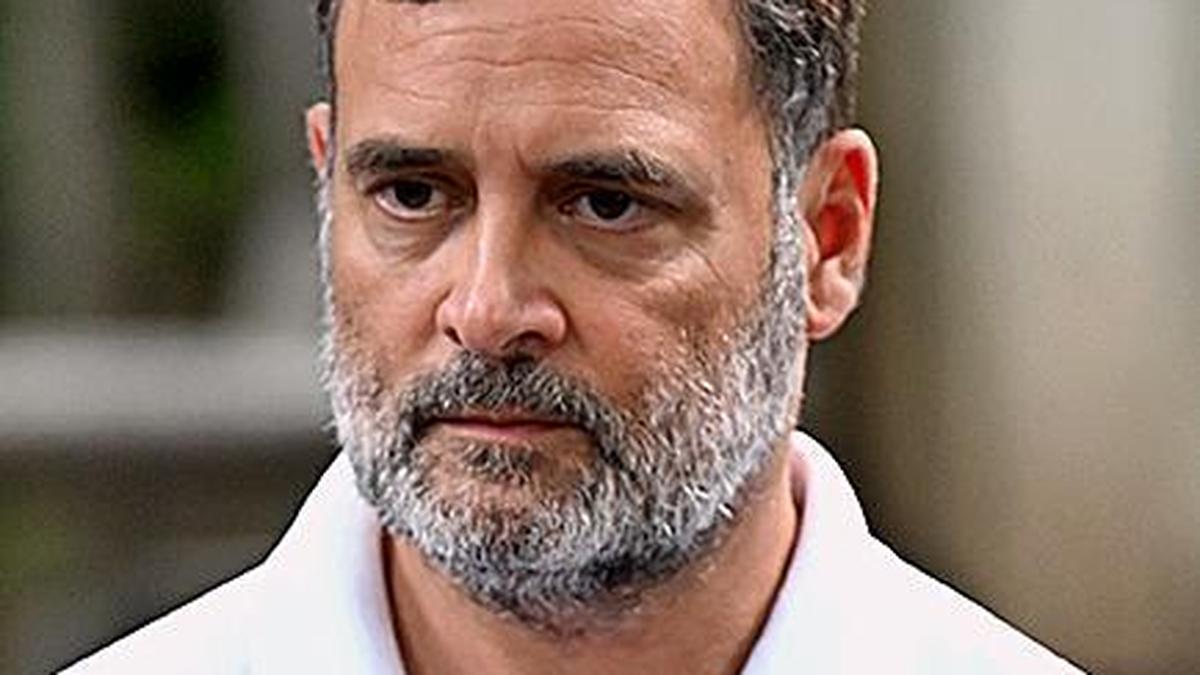
The Bombay High Court has refused to quash the 2019 summons issued to Rahul Gandhi in a complaint filed against him for allegedly making derogatory remarks against Prime Minister Narendra Modi.
The complaint was filed by a BJP worker, who alleged that Gandhi's remarks were defamatory and hurt the reputation of the Prime Minister. The magistrate's court had issued the summons to Gandhi in 2019, directing him to appear before the court.
However, the High Court has continued its 2021 order, directing the magistrate to defer the hearing on the complaint for six weeks. This will allow Gandhi to approach the Supreme Court in appeal against the High Court's decision.
The case against Gandhi is related to his alleged remarks made during a rally in 2019, where he allegedly made derogatory comments against the Prime Minister. The BJP worker who filed the complaint claimed that Gandhi's remarks were intended to defame the Prime Minister and damage his reputation.
The Bombay High Court's decision is a significant development in the case, as it paves the way for Gandhi to face trial in the lower court. However, the deferment of the hearing for six weeks gives Gandhi a window of opportunity to appeal to the Supreme Court against the High Court's decision.
The Supreme Court may consider Gandhi's appeal and decide whether the complaint against him is maintainable. If the Supreme Court upholds the High Court's decision, Gandhi will have to face trial in the lower court.
The case has sparked a political debate, with the BJP accusing Gandhi of making derogatory remarks against the Prime Minister. The Congress party has defended Gandhi, saying that his remarks were made in the context of a political rally and were not intended to defame the Prime Minister.
The Bombay High Court's decision is also significant because it highlights the importance of respecting the dignity of public figures, including the Prime Minister. The court's decision suggests that public figures have the right to protect their reputation and dignity, and that making derogatory remarks against them can have legal consequences.
In the context of Indian politics, the case against Gandhi is a reminder that politicians must be careful when making public statements, as they can have legal and political repercussions. The case also highlights the importance of the judiciary in ensuring that public figures are held accountable for their actions and statements.
The decision of the Bombay High Court will be closely watched by political observers and legal experts, as it has significant implications for the case against Gandhi and the broader debate about free speech and defamation in India.
The case is likely to have a significant impact on Indian politics, as it involves a high-profile politician and a sensitive issue like defamation. The outcome of the case will be closely watched by politicians, lawyers, and the general public, as it will set a precedent for similar cases in the future.
In conclusion, the Bombay High Court's decision to refuse the quashing of summons to Rahul Gandhi is a significant development in the case, and it paves the way for Gandhi to face trial in the lower court. The decision highlights the importance of respecting the dignity of public figures and the need for politicians to be careful when making public statements.
Frequently asked questions
Why was Rahul Gandhi summoned by the court?
Rahul Gandhi was summoned by the court for allegedly making derogatory remarks against Prime Minister Narendra Modi.
What is the next step in the case?
Gandhi can appeal to the Supreme Court against the High Court's decision, and if the appeal is rejected, he will have to face trial in the lower court.