NGT Flags E-Waste Radiation Risks In Madhya Pradesh
NGT raises concerns over e-waste crisis, radiation risks and health hazards in MP.
'%3E%3Crect%20width%3D'96'%20height%3D'96'%20fill%3D'%23B3261E'%2F%3E%3Ccircle%20cx%3D'30'%20cy%3D'24'%20r%3D'44'%20fill%3D'%23fff'%20opacity%3D'.12'%2F%3E%3Ccircle%20cx%3D'60'%20cy%3D'74'%20r%3D'40'%20fill%3D'%23000'%20opacity%3D'.10'%2F%3E%3C%2Fg%3E%3Cg%20fill%3D'%23fff'%3E%3Crect%20x%3D'29'%20y%3D'49'%20width%3D'8'%20height%3D'19'%20rx%3D'1'%2F%3E%3Crect%20x%3D'39'%20y%3D'40'%20width%3D'9'%20height%3D'28'%20rx%3D'1'%2F%3E%3Crect%20x%3D'50'%20y%3D'45'%20width%3D'8'%20height%3D'23'%20rx%3D'1'%2F%3E%3Crect%20x%3D'60'%20y%3D'53'%20width%3D'7'%20height%3D'15'%20rx%3D'1'%2F%3E%3Crect%20x%3D'41'%20y%3D'34'%20width%3D'5'%20height%3D'6'%2F%3E%3C%2Fg%3E%3C%2Fsvg%3E)
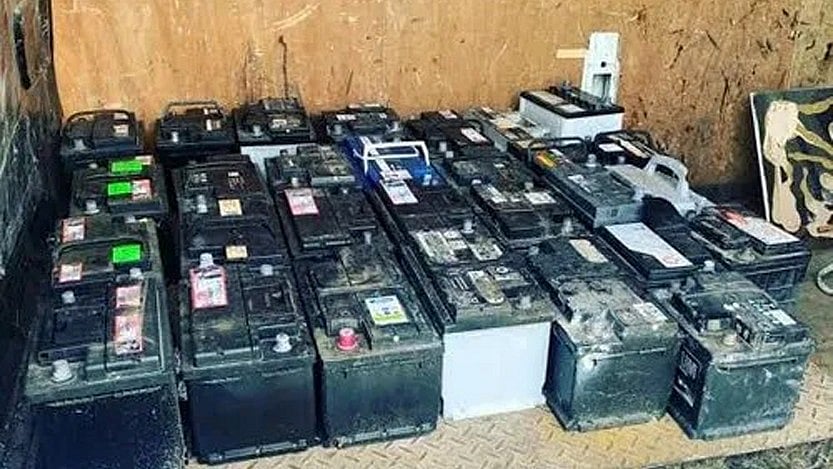
The National Green Tribunal (NGT) has called for urgent attention to the e-waste crisis in Madhya Pradesh, citing concerns over radiation risks and health hazards. The matter was brought before the NGT's Central Zone Bench by an original application filed by Nitin Saxena, highlighting the improper disposal and processing of e-waste in Bhopal and other parts of the state.
According to the NGT order, Madhya Pradesh generates around 5,000 metric tonnes of e-waste annually, with Bhopal alone generating 415 tonnes every year. However, only about 10% of this e-waste is scientifically disposed of, with the remaining 90% being handled by unauthorised scrap units.
The NGT has raised concerns over the risks posed by e-waste containing potentially hazardous medical equipment, including X-ray machines, CT scanners, and PET scanners. The tribunal noted that radiation can act as a mutagen, damaging cells and DNA and potentially leading to cancer.
The NGT also examined the country's framework for dealing with nuclear and radiological emergencies and raised concerns over the lack of clarity regarding the authority responsible for transporting hazardous material. The tribunal noted that it was not clear whether District Disaster Management Authorities had been constituted or what preparedness measures were in place.
The NGT has issued notices to the Madhya Pradesh government, MP Pollution Control Board, Bhopal Municipal Corporation, and concerned departments. A five-member committee has been directed to submit a factual and action-taken report within four weeks.
The committee will comprise representatives from the Ministry of Environment, Forest and Climate Change, Central Pollution Control Board, Health Department, Electrical and Electronics Department, and State Pollution Control Board. The State Pollution Control Board will act as the nodal agency.
The NGT's concerns over the e-waste crisis in Madhya Pradesh highlight the need for urgent attention to the issue. The state's e-waste generation has increased significantly over the years, with Indore generating 800 tonnes annually, followed by Bhopal at 415 tonnes, Gwalior at 400 tonnes, and Ujjain at 315 tonnes.
The NGT's order has brought attention to the gaps in the system for handling and transporting hazardous waste. The tribunal's concerns over radiation-related health risks and the lack of clarity regarding the authority responsible for transporting hazardous material highlight the need for a comprehensive framework to deal with e-waste.
The matter will next be heard on October, and the NGT's decision is expected to have significant implications for the management of e-waste in Madhya Pradesh. The state government and concerned departments will need to take urgent action to address the concerns raised by the NGT and ensure that e-waste is disposed of in a scientific and environmentally friendly manner.
The NGT's order is a wake-up call for the state government and concerned departments to take immediate action to address the e-waste crisis in Madhya Pradesh. The tribunal's concerns over radiation risks and health hazards highlight the need for a comprehensive framework to deal with e-waste and ensure that it is disposed of in a manner that does not harm the environment or human health.
In conclusion, the NGT's order has brought attention to the urgent need to address the e-waste crisis in Madhya Pradesh. The state government and concerned departments must take immediate action to ensure that e-waste is disposed of in a scientific and environmentally friendly manner, and that the risks posed by radiation and hazardous medical equipment are mitigated.
The significance of the NGT's order lies in its potential to bring about a paradigm shift in the way e-waste is managed in Madhya Pradesh. The tribunal's concerns over radiation risks and health hazards highlight the need for a comprehensive framework to deal with e-waste, and the state government and concerned departments must take urgent action to address these concerns.
Overall, the NGT's order is a significant development in the management of e-waste in Madhya Pradesh, and its implications will be closely watched by environmentalists, health experts, and concerned citizens. The state government and concerned departments must take immediate action to address the concerns raised by the NGT and ensure that e-waste is disposed of in a manner that does not harm the environment or human health.
Frequently asked questions
What is the e-waste generation in Madhya Pradesh?
Madhya Pradesh generates around 5,000 metric tonnes of e-waste annually.
What percentage of e-waste is scientifically disposed of in Bhopal?
Only about 10% of e-waste is scientifically disposed of in Bhopal.